
Pawan Kalyan meets CM Chandrababu over Uddanam Kidney Issue
- Published By: Tech Team
- July 31, 2017 / 03:28 AM IST


Pavan Kalyan lauds Chandrababu Naidu government
Pavan Kalyan to become ambassador for Jeevandan
Research institute to be set up at the cost 15 crore
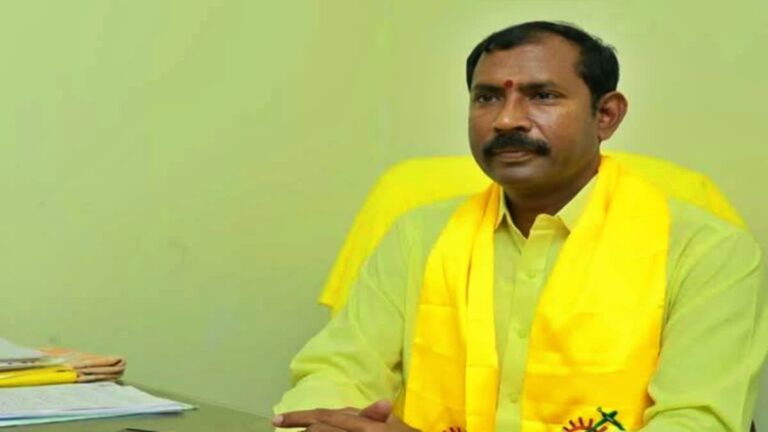
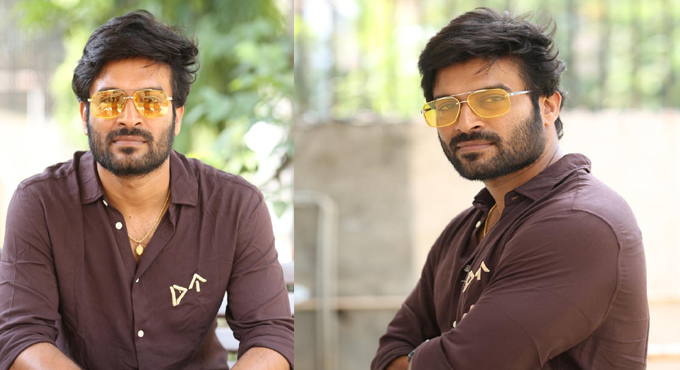
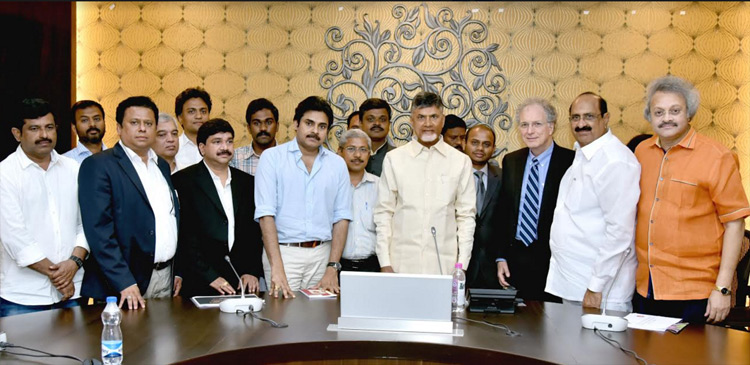
On Monday, the Chief Minister met with Mr. Pavan Kalyan and the research team from Harvard and reviewed the report on Chronic Kidney Disease.
The disease, also called as Uddanam Nephropathy, has claimed many lives since almost 30 years in the Uddanam region.
The Chief Minister welcomed and appreciated the recommendations made by the officials, which followed a recent appeal made by Mr. Pavan Kalyan, Chief of Jana Sena.
Under the supervision of Health Minister Kamineni Srinivas, the secretaries and government officials from the Health and Water supply departments presented detailed reports and suggestions, that aimed at finding the root cause and solution to the disease.
Action taken by the government
A screening was conducted from January to April 2017, in which 15 CKD Mobile Medical teams screened a total of 101593 people, the total population above 30 years of age in 176 villages across 8 mandals.
These screenings resulted in learning that the prevalence rate of the disease is 13%, which is extremely high according to any standard, said Poonam Malakondaiah, Principal Secretary (Health, Medical and Family Welfare).
She also reported that 46% of the patients are female and 54% male. She said that each case is recorded and tracked electronically, so that the government can provide the required medical care and attention.
3 additional dialysis centres were opened in Uddanam in a span of 30 days, as soon as a shortage was identified. The region now has the highest density of dialysis centres in the continent.
The Cabinet also approved a government order for sanction of pension ₹2,500 per month to all affected patients in the state having CKD stage III, IV & V and those undergoing dialysis in government hospitals.
Some of the main causes of CKD were reportedly to do with the presence of excess amount of silica, strontium and gallium in drinking water and food items. Especially in mining areas, the inhaling of toxic elements and dust from quarries can also lead to CKD. Other speculations revealed other possible causes like excessive use of painkillers, analgesics, dehydration and polluted drinking water.
The Chief Minister announced that safe drinking water will be provided to the Uddanam area through cluster-based (Hub & Spoke model) RO Plants & instructed RWS&S department accordingly. Two RO plants will be inaugurated next week.
Harvard Research Team
Dr. Joseph Bonventre, who led the team of doctors from Harvard recommended the set up of a dedicated institute. The Chief Minister immediately agreed and said, “The state cabinet has already approved the set up of a research institute in Srikakulam at the cost ₹15 crore. The state will spare no efforts, to find a solution and work towards preventive measures.”
The institute will be supported by ICMR, and 50% of the expenditure will be incurred by the state government. The institute will be dedicated to kidney research and nephrology and include bio-banking, surveillance, DNA sequencing, patient care infrastructure, academic training and public education.
The unanimous statement among most doctors and researchers in the meeting was that, “the scientific community has never witnessed so much of involvement and support from any Chief Minister.”
The Chief Minister emphasized that, “Money is not a problem for us. We will invest as much as needed to eradicate Uddanam Nephropathy. ICMR (Indian Council for Medical Research) is also willing to join us as a partner, and we look forward to Public-Private-Partnerships with teams from Harvard.”
“Safe drinking water must be provided everywhere, and inspected continuously to ensure the prevention of CKD. The treatments and medicines that are prescribed by our doctors must also be examined”, he said.
Based on some of the suggestions given by nephrologists like Dr. T. Ravi Raju, Vice Chancellor of Dr. NTRUHS, he also approved the hosting of international conferences and consortiums on kidney research.
There will be more intensive efforts taken towards skill development, and the training of medical officers the PHCs, CHCs and Area hospitals in the management of mild and moderate CKD.
Mr. Pavan Kalyan
After thanking the Chief Minister for responding so efficiently and quickly to his appeal, he went on to praise the initiatives of the government for safe drinking water and medical research.
Mr. Kalyan also agreed to become the brand ambassador of Jeevandan, a government scheme for organ donation.
He said that the different heads working together to eradicate this terrible disease, must create a holistic atmosphere, to enable the best results.
He also made a request to the Chief Minister, saying that children who have lost parents must be adopted by the state government, and taken care of. The Chief Minister responded positively and said that a special institution must be set up by the government, and take care of children who have been orphaned or abandoned.
Mr. Kalyan lauded the Chief Minister, and was grateful to him for his efforts to help the victims. He said that the issue is a humanitarian one, and needs utmost attention.