NRI Scientist Research on Gulf War Illness
- Published By: techteam
- November 1, 2019 / 06:16 PM IST


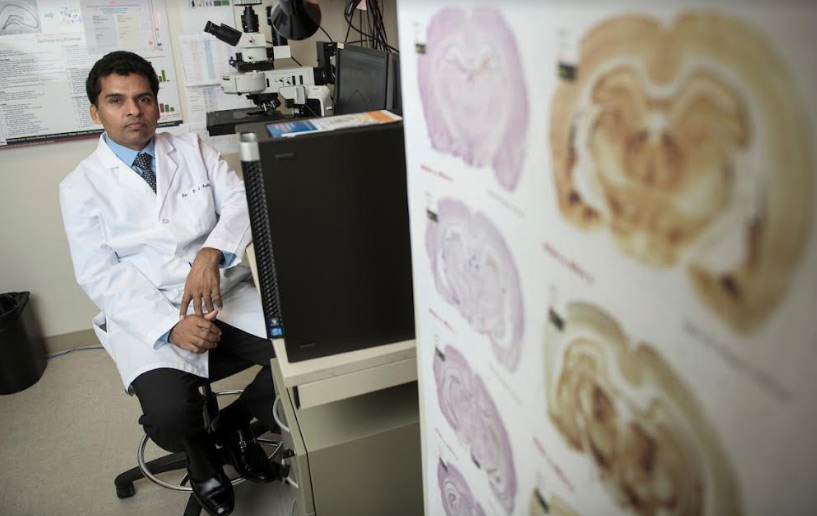
NRI Professor Dr. Samba Reddy received a grant to develop a new treatment for the Gulf War illness (GWI).
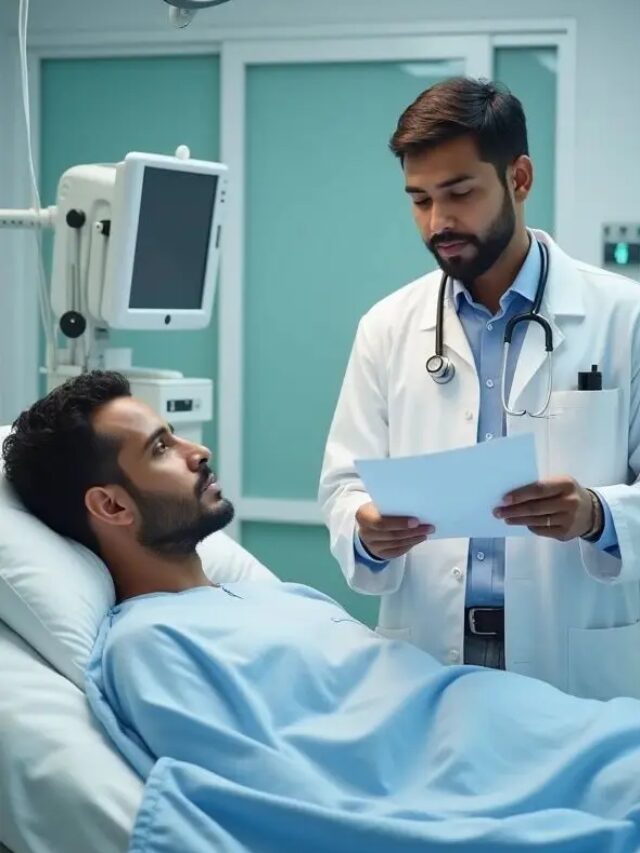
Many Gulf War veterans are unable to escape chronic reminders of their time in combat. Specifically, about 175,000 to 224,000 Gulf War veterans are suffering from GWI that affects both peripheral and brain systems. There is an urgent need to develop medicines for those suffering from GWI, because they currently have no treatment options.
Dr. Samba Reddy, Professor at the Texas A&M University College of Medicine, was recently awarded a grant from the U.S. DOD for $342,000 to conduct research on neurosteroid therapy for GWI.
During combat, soldiers were exposed to numerous chemicals, including pyridostigmine bromide, an oral pill taken as a prophylactic for nerve agent attack. They were also exposed to N,N-diethyl-m-toluamide and permethrin, which were agents applied to the skin to protect soldiers from mosquito-borne diseases. Shortly after the war, many of the soldiers started experiencing unexplained symptoms and illnesses that could not be properly diagnosed by existing medical diagnoses or laboratory tests.
Dr. Reddy and his team have proposed a unique therapy that would use a synthetic neurosteroid, ganaxolone, which is currently undergoing clinical trials approved by the FDA. This treatment, combined with noninvasive neuroimaging using MRI, is an innovative therapy that can be rapidly applied to human clinical trials to offer relief to veterans with GWI. Since neurosteroids reduces GWI hallmark features of peripheral pain, central inflammation, neuronal tonic excitability and neurodegeneration, ganaxolone can be very effective in mitigating GWI symptoms.
Dr. Reddy has graduated from Kakatiya University in Warangal, Telangana, India. He is a senior faculty member at the Texas A&M University in Bryan, Texas, where he has been teaching and conducting NIH- and DOD-funded research on medical neuroscience and drug development. He has published over 194 scientific papers worldwide. Recently, Dr. Reddy received the ASIOA’s Mario Toppo Distinguished Scientist Award for his pioneering contributions in discovering new treatments for brain diseases.


Related News
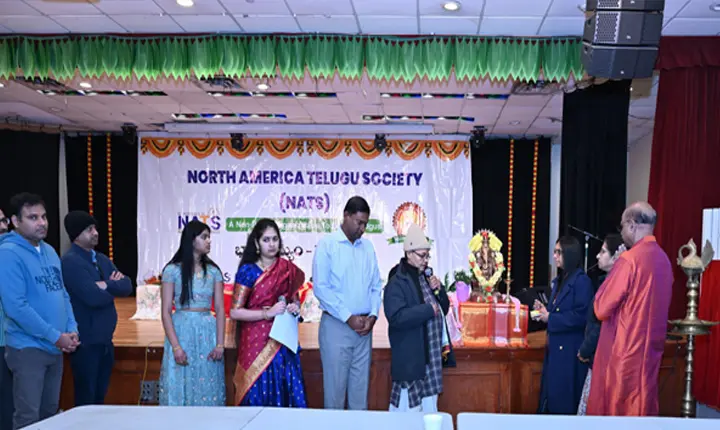
NATS: ఫిలడెల్ఫియాలో ఘనంగా నాట్స్ బాలల సంబరాలు
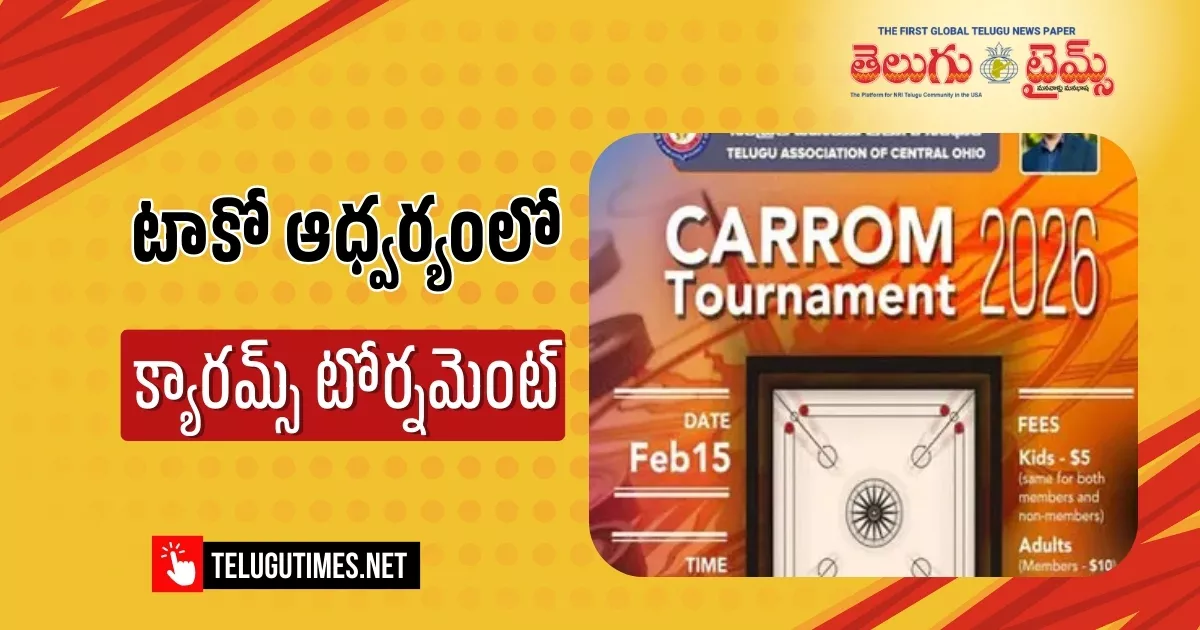
TACO : మేరీస్ విల్లేలో ఫిబ్రవరి 15న ‘టాకో’ ఆధ్వర్యంలో క్యారమ్స్ టోర్నమెంట్

Jahnavi: అమెరికాలో జాహ్నవి కేసు సంచలనం.. రూ.262 కోట్ల పరిహారం
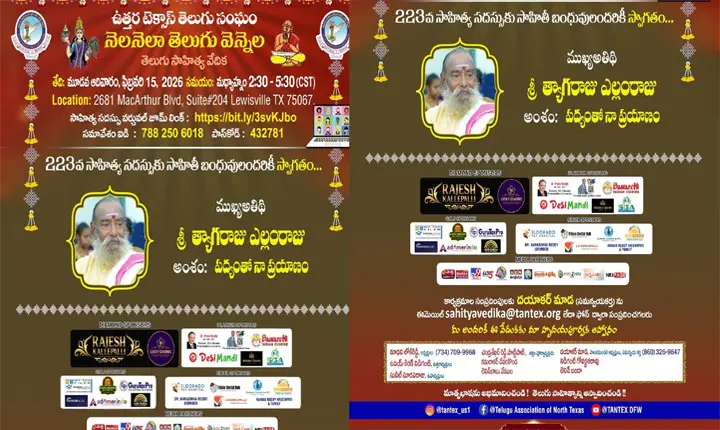
TANTEX: లూయిస్విల్లేలో ‘టాంటెక్స్’ ఆధ్వర్యంలో 223వ సాహిత్య సదస్సు త్వరలో
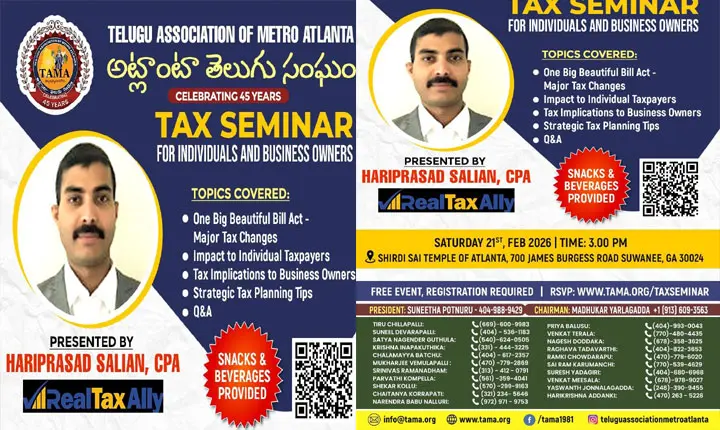
TAMA Tax Seminar: అట్లాంటాలో ‘టామా’ ఆధ్వర్యంలో ఉచిత టాక్స్ సెమినార్