
Iran and US Open Direct Line Over Hormuz as Mediators Hail “Encouraging Progress”
- Published By: shivaduvvuru
- June 23, 2026 / 03:54 PM IST


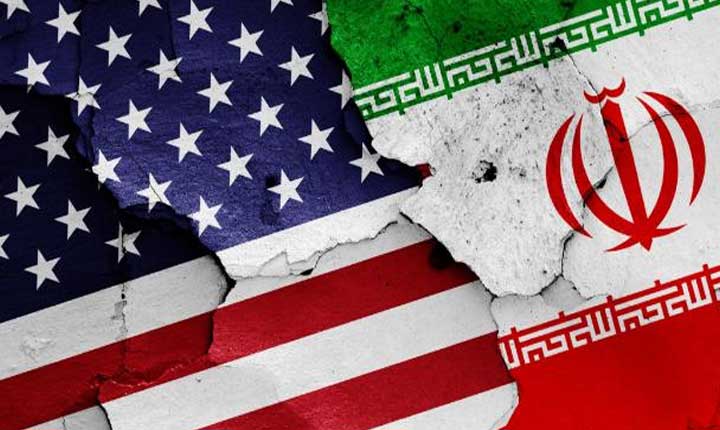
Iran-US Relations: Iran and the United States have established a direct communication channel to prevent accidental clashes in the Strait of Hormuz, mediators Qatar and Pakistan announced Monday, capping a tense first round of high-level talks aimed at converting a fragile ceasefire into a durable peace.
The channel was set up “to avoid incidents and miscommunication” and to keep commercial traffic moving through the strait, the two mediators said in a joint statement issued after negotiations wrapped at the Bürgenstock resort overlooking Lake Lucerne. The talks, the mediators said, unfolded in a “positive and constructive atmosphere” and produced a roadmap intended to deliver a final agreement within 60 days.
What was agreed :
The communication line is tied to the fifth paragraph of the 14-point Memorandum of Understanding that underpins the current truce. Under that clause, Iran commits to using its “best efforts” to ensure the safe passage of commercial vessels free of charge, and for a 60-day window only between the Persian Gulf and the Sea of Oman in both directions.
Alongside the Hormuz channel, the parties agreed to create a “de-confliction cell” involving the United States, Iran and Lebanon, facilitated by the mediators, to police the halt in fighting between Israel and Hezbollah in Lebanon. Technical-level negotiations are set to continue at Bürgenstock through the rest of the week, covering the harder questions left open by the framework deal: Iran’s nuclear program, the long-term administration of the strait, the lifting of US sanctions and the release of frozen Iranian assets.
How the talks unfolded:
The round did not begin smoothly. As negotiators sat down, US President Donald Trump used a Fox News interview to threaten renewed strikes on Iran and to float a US takeover of the strait, warning that if no deal materialized, “we’ll collect tolls.” Iranian media reported that the delegation paused roughly 80 minutes in to consult internally, and Iran’s lead negotiator, parliament speaker Mohammad Bagher Ghalibaf, publicly warned Washington to “be careful,” saying Tehran stood ready to respond.
Tehran’s delegation which alongside Ghalibaf includes Foreign Minister Abbas Araghchi as well as banking and oil officials arrived in Switzerland holding significant leverage. Days earlier, on June 20, Iran’s military command had declared the Strait of Hormuz closed again, citing continued Israeli strikes in Lebanon as a breach of the agreement. The US military rejected Iran’s claim to control the waterway.
By the time the session concluded, the mood had shifted enough for Qatar and Pakistan to point to tangible deliverables. Notably, Iranian officials declined to appear alongside the US, Pakistani and Qatari representatives before the cameras a small sign of the wariness that still surrounds the process.
The bigger picture:
The Bürgenstock round is the first major test of the so-called Islamabad Memorandum, a 14-point framework that Trump and Iranian President Masoud Pezeshkian signed remotely on June 17 Trump from the Palace of Versailles, Pezeshkian in Tehran. That document declared an end to the war “on all fronts, including Lebanon,” lifted the US naval blockade of Iranian ports, reopened the strait to toll-free commercial shipping for 60 days, and waived (though did not eliminate) sanctions on Iranian oil exports. It also restated Iran’s pledge not to develop nuclear weapons and set out a path to down-blend its highly enriched uranium stockpile under IAEA supervision.
Crucially, the framework deferred the thorniest issues nuclear enforcement, the strait’s permanent status, missiles and Iran’s regional proxies to the 60-day negotiating window now underway. That leaves open the risk of either renewed conflict or a prolonged limbo in which the shooting has stopped but little is settled.
Markets are watching closely. The strait is one of the world’s most important energy chokepoints, and Iran’s on-again, off-again closure threats have whipsawed prices. Oil eased from wartime highs above $100 a barrel earlier in the month, with Brent settling near $80 on Friday before Trump’s threats nudged prices back up. The new communication line is being read by traders as a stabilizing signal for the oil trade.
For the mediators, the immediate win is a mechanism to keep tankers moving and to dampen the chance that a misread maneuver in a crowded waterway spirals into a broader confrontation. Whether that momentum carries into a comprehensive settlement will become clearer as the technical teams work through the week.
Related News
GOPIO Presents Memorandum on Diaspora Issues and Suggestions to Minister Jaishankar

Top 6 Stays in Dubai for Your Next Workation
SriLankan Airlines Restores Complete Middle East Network With Kuwait Service Resumption

Two Years After Trump’s Inflation Spotlight, Rising Grocery Prices Loom as a Political Vulnerability for Republicans Ahead of Midterms
US Imposes Up to 100% Tariffs on Drones to Curb Chinese Dominance and Bolster Security