
US Imposes Up to 100% Tariffs on Drones to Curb Chinese Dominance and Bolster Security
- Published By: Vishal
- August 14, 2026 / 12:30 PM IST


The United States administration has introduced sweeping tariffs of up to 100% on imported unmanned aerial systems and their associated components, targeting a global market heavily monopolized by China. Announced on Thursday, the aggressive trade measures are designed to accelerate domestic manufacturing, minimize vulnerabilities within foreign supply chains, and reinforce national security frameworks amid evolving modern warfare dynamics.
Tiered Tariff Structure:
The White House outlined a tiered structure for the levy. Unmanned aircraft deemed critical to national security specifically those with a maximum take-off weight exceeding 25kg or those equipped with thermal imaging technology will face an immediate 100% import tax. Lighter drones weighing 25kg or less will be subject to a 25% tariff.
Implementation Timelines and Exemptions:
While the majority of these restrictions become enforceable 21 days following the signing of the proclamation, exceptions have been carved out for non-sensitive components and select products approved for Federal Communications Commission (FCC) Covered List exemptions by the Department of War, pushing their implementation window to 180 days.
Allied Nation Tariffs:
The policy also establishes differentiated rates for allied economies. Imports originating from the European Union, Japan, Liechtenstein, South Korea, Switzerland, and Taiwan will face a 15% tariff. Meanwhile, a 10% tariff applies to imports from the United Kingdom, conditional on the strict provenance that virtually all hardware, software, and underlying technology trace back to either the UK or the US.
Strategic Motivations and Geopolitical Impact:
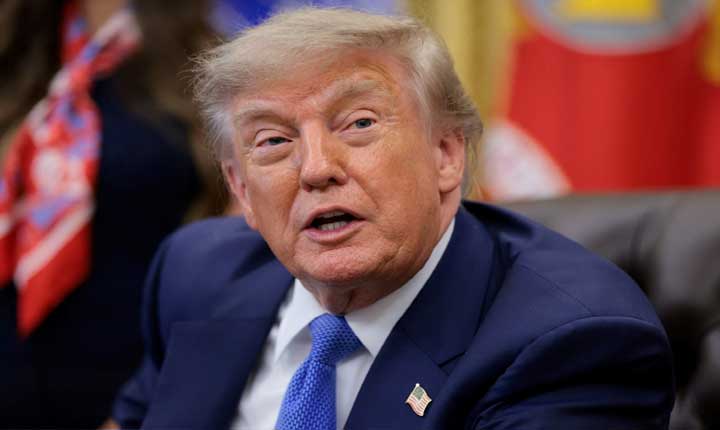
This executive action builds upon prior legislative and regulatory friction, including an FCC directive from December banning wireless communications approvals for drones sourced from adversarial nations. The urgency behind the policy has been magnified by lessons learned from the conflict in Ukraine, where small aerial systems have fundamentally transformed tactical operations and hybrid warfare strategies. President Donald Trump emphasized in the formal proclamation that these systems are indispensable to the economic and security interests of the nation.
The tariffs deal a heavy blow to Chinese manufacturing dominance. Shenzhen-based DJI Technologies alone accounts for approximately 70% of the US commercial drone market. Industry analysts note that domestic and government buyers will now face an abrupt, capital-intensive transition toward American and allied suppliers, absorbing higher costs in the process. The development follows retaliatory trade friction from Beijing, which recently restricted its own drone exports to the US and sanctioned several firms following Washington’s earlier national security actions.
Related News

Top 6 Stays in Dubai for Your Next Workation
SriLankan Airlines Restores Complete Middle East Network With Kuwait Service Resumption
Two Years After Trump’s Inflation Spotlight, Rising Grocery Prices Loom as a Political Vulnerability for Republicans Ahead of Midterms
Iran Mocks Trump Over Secret Aircraft Switch During Turkey Visit

KLH Student Bags Silver at the French Chess Championship