

A surprising new feature in smartwatches.. Could they detect the risk of diabetes early?
- Published By: Tech Team
- August 13, 2026 / 01:10 PM IST


— Surya Prakash Josyula
Until now, smartwatches mainly told us how many steps we walked, how well we slept and what our heart rate was. But that could soon change. Google has announced a new technology that can track changes in insulin resistance without taking a blood sample.
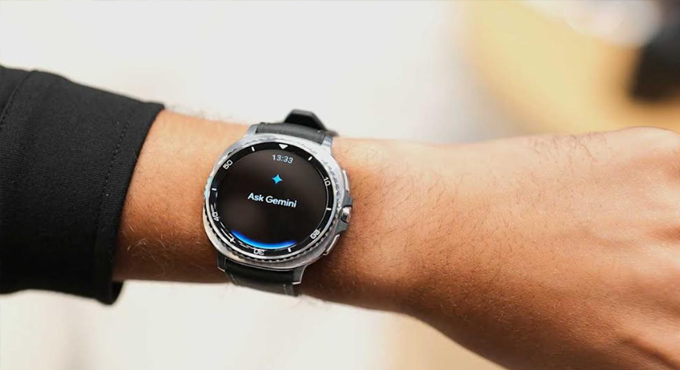
The feature is part of Google’s new Health Guardian system. It will be available on Google Pixel Watch and Fitbit devices. The company announced it along with the new Pixel Watch 5. The interesting part is that the watch does not directly measure blood glucose. Instead, its AI looks at different signals from the body to understand possible changes in metabolic health.
The watch will study data such as heart rate, heart rate variability, SpO2, movement, sleep and skin temperature over several weeks. Instead of looking at just one day’s data, the AI will look for patterns that develop over time.
There is one important point to understand. The watch does not directly measure your blood sugar. So, it is not a replacement for a glucose meter or a Continuous Glucose Monitor. Instead, it looks at signals that may show how the body is using insulin and tries to identify changes in insulin resistance.
When insulin resistance increases, the body’s cells do not respond properly to insulin. The body may then need to produce more insulin to control blood sugar. If this continues for a long time, it can increase the risk of health problems such as type 2 diabetes. That is why detecting these changes early could be useful.
Google says its AI model was trained using a huge amount of data. The company says it used more than one trillion minutes of sensor data from five million users who agreed to share their data. Google also says the model was tested against standard clinical blood tests and that the research was published in Nature.
Health Guardian will offer more than insulin resistance tracking. It will also include a feature that estimates blood pressure trends and another that looks at breathing quality during sleep. In some European countries, Pixel Watch can also detect dangerously low blood oxygen levels and automatically contact emergency services.
The insulin resistance and blood pressure trend features are expected to arrive through a software update this fall for the Pixel Watch 3, 4 and 5, as well as Fitbit devices. Monthly health reports will be available through the Google Health app. Users may also receive notifications when the system detects something that needs attention.
Google Health Premium subscribers will also get access to a Gemini-powered health coach, which can help users understand their health information.
However, there is an important limitation. These features should not be treated as medical diagnosis tools. They have not received FDA clearance and are currently being presented by Google as general wellness features. If the watch shows a warning, users should not treat it as a final medical diagnosis. A doctor and proper medical tests may still be needed.
Still, this could mark an important change in the smartwatch industry.
Smartwatches may no longer be just devices that count steps, track sleep and measure heart rate. They could slowly become personal health monitors that detect hidden changes in the body before people notice them themselves.
So, the smartwatch of the future may not just ask:
“How many steps did you walk today?”
It could also ask:
“Something may be changing inside your body. Did you notice it?”
Related News

ChatGPT Is About to Become That Annoying Friend Who Gives Advice You Never Asked For

Gen Z’s Drinking Story Is Changing: Shocking Truths From a New Survey

Hollywood’s Age-Gap Obsession: What Younger Men See in Older Women

Good News for NRI Pensioners: No Need to Come to India for Life Certificate

Paid for a Confirmed Berth, But Couldn’t Use It: Family Gets ₹75,000 From Railways