Death Penalty: Hanging to Remain for Now, Says Supreme Court
- Published By: Tech Team
- August 18, 2026 / 06:25 PM IST


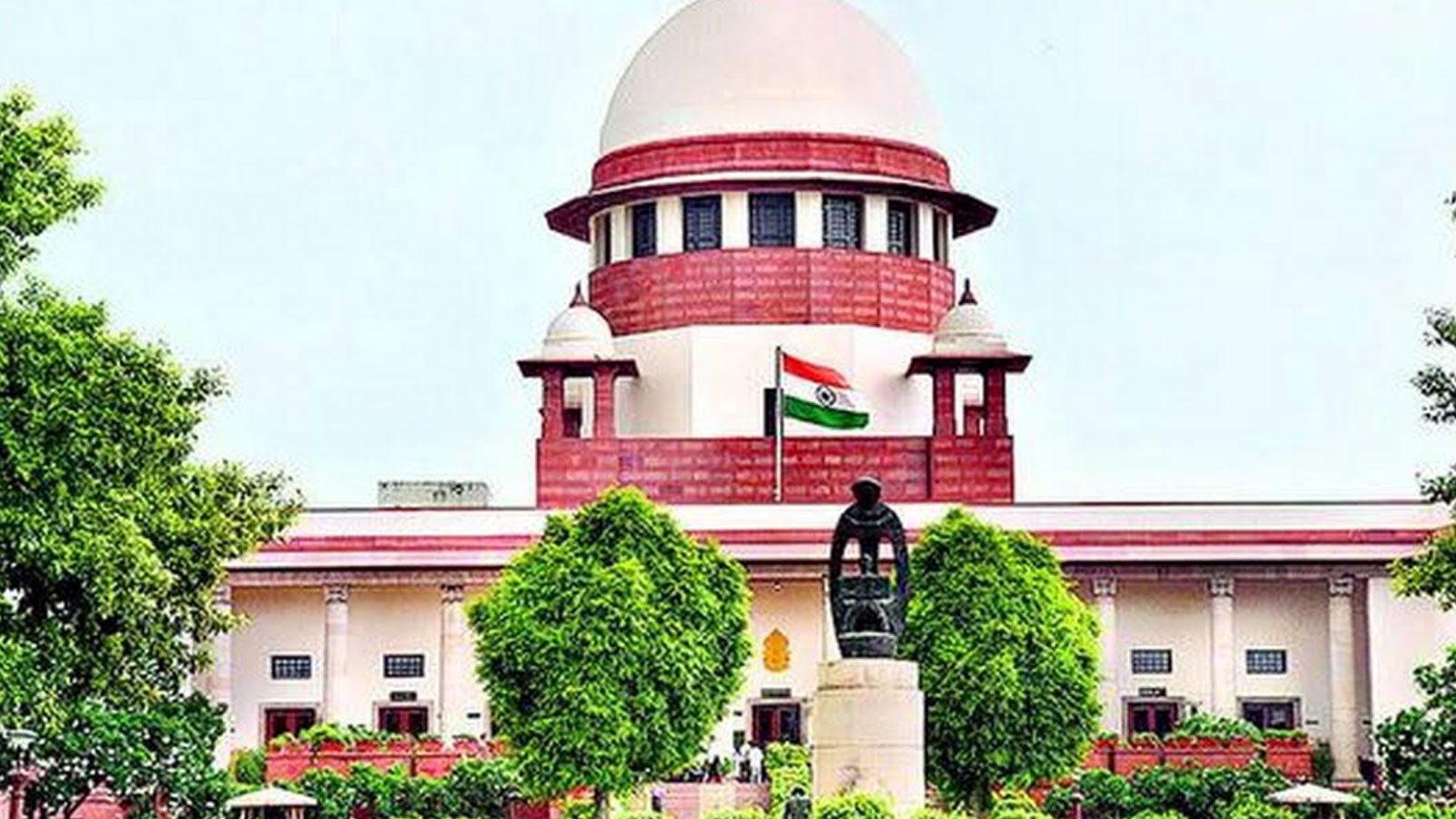
A fresh debate has surfaced in India regarding the method of executing the death penalty. The Supreme Court heard a petition seeking the implementation of a less painful and more humane execution method instead of hanging, but ultimately rejected the request to adopt lethal injections.
The apex court clarified that hanging will continue as the current method for executing capital punishment. The petition had urged the court to adopt alternative methods that reduce pain and preserve the dignity of the convict, but the bench dismissed the request.
A bench comprising Justice Vikram Nath and Justice Sandeep Mehta heard the matter. The petition, filed by advocate Rishi Malhotra, challenged the existing method of execution by hanging, arguing that it can be cruel and inhumane. The petitioner contended that even a death row convict possesses the right to dignity under Article 21 of the Constitution, which extends to a dignified execution process. Furthermore, the petition noted that declaring a person dead after hanging takes up to 40 minutes, whereas a lethal injection completes the process in just five minutes.
After hearing these arguments, the Supreme Court clarified that its decision is not absolute. It indicated that it remains open to considering alternative methods if better scientific evidence is presented in the future. For now, however, the central government remains inclined to retain hanging as the method of execution.
Related News
Massive Inflow into PM CARES Fund.. Fund Reaches ₹8,452 Crore
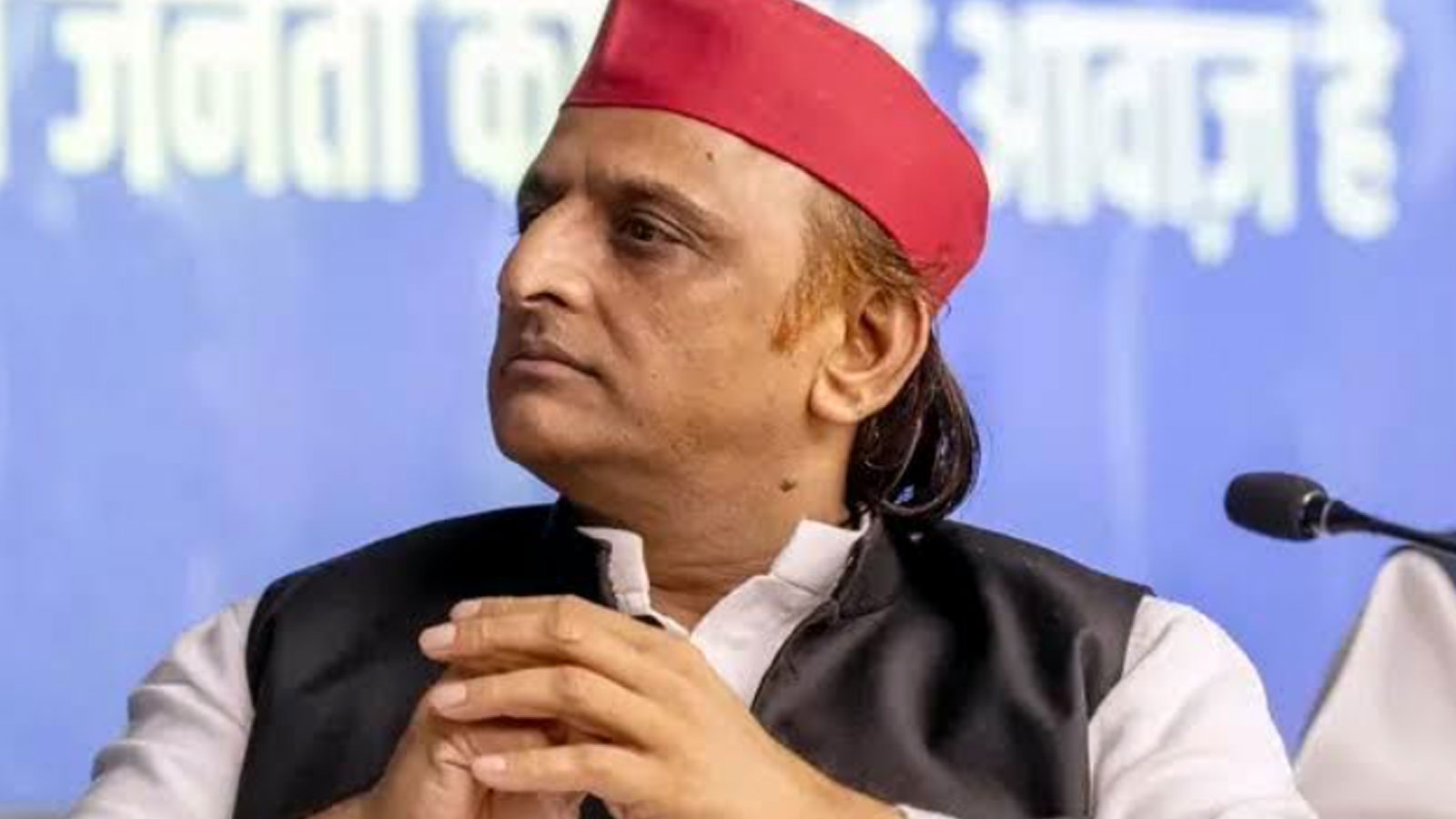
Samajwadi Party Begins Preparation for Assembly Elections Ahead of Time
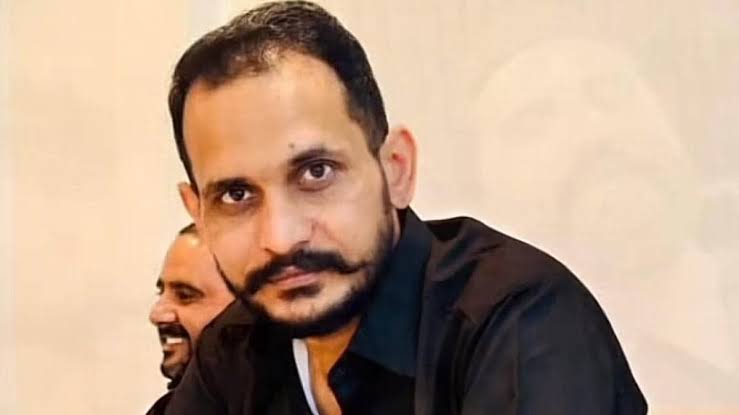
Who is Shahzad Bhatti Mentioned by Amit Shah?
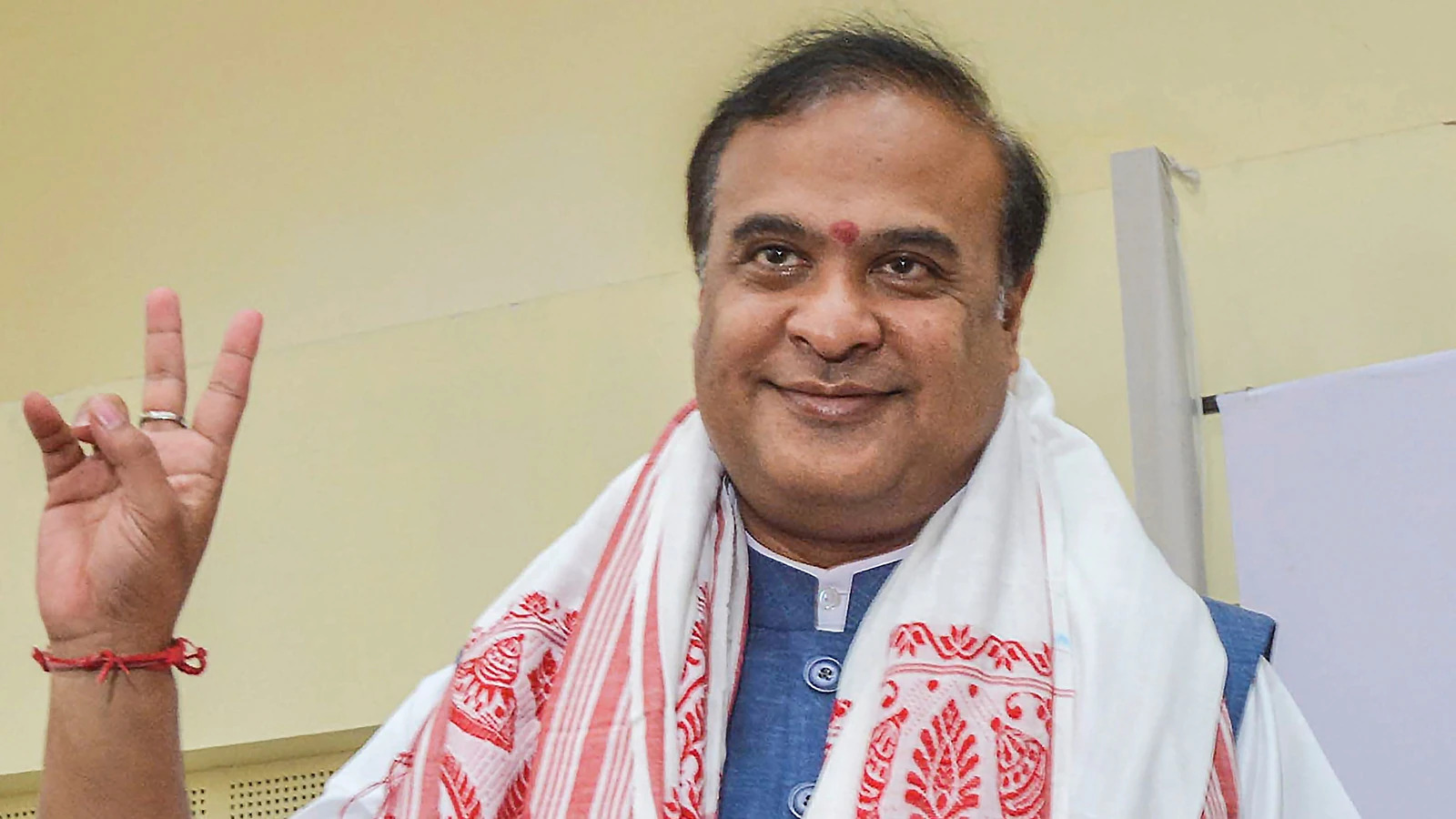
Salary to be Cut by 20% for Marrying a Second Time Without a Divorce
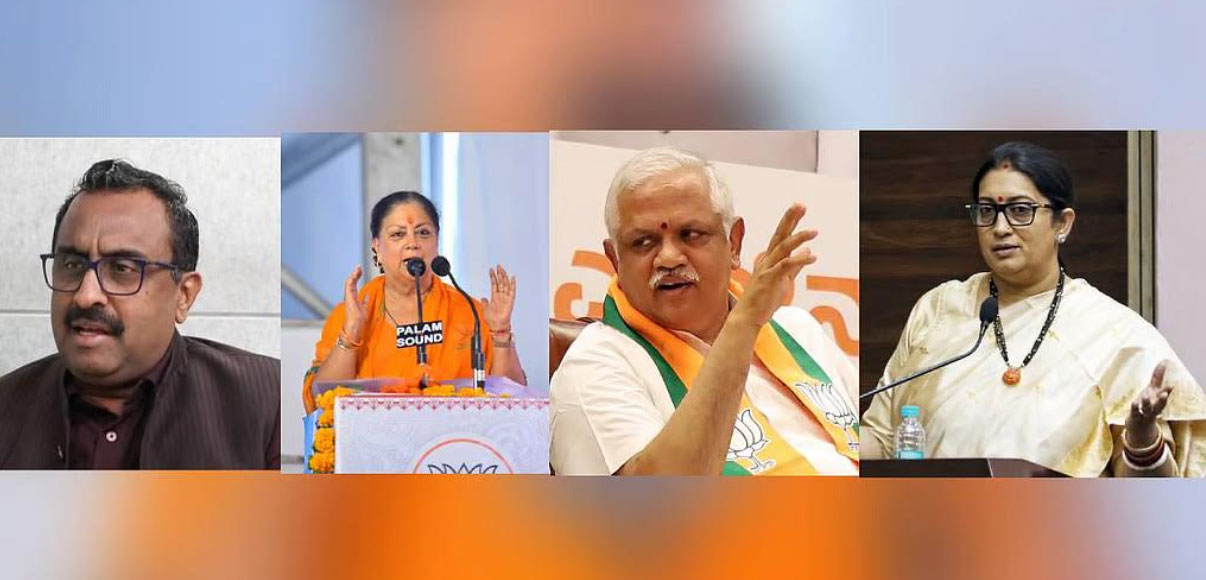
BJP’s Strategic New Team: Ram Madhav and Smriti Irani Assigned Key Responsibilities