
Delhi Mandates Total EV Transition, Bans New Petrol and CNG Registrations in Phased Crackdown
- Published By: Phanindra
- June 30, 2026 / 09:25 AM IST


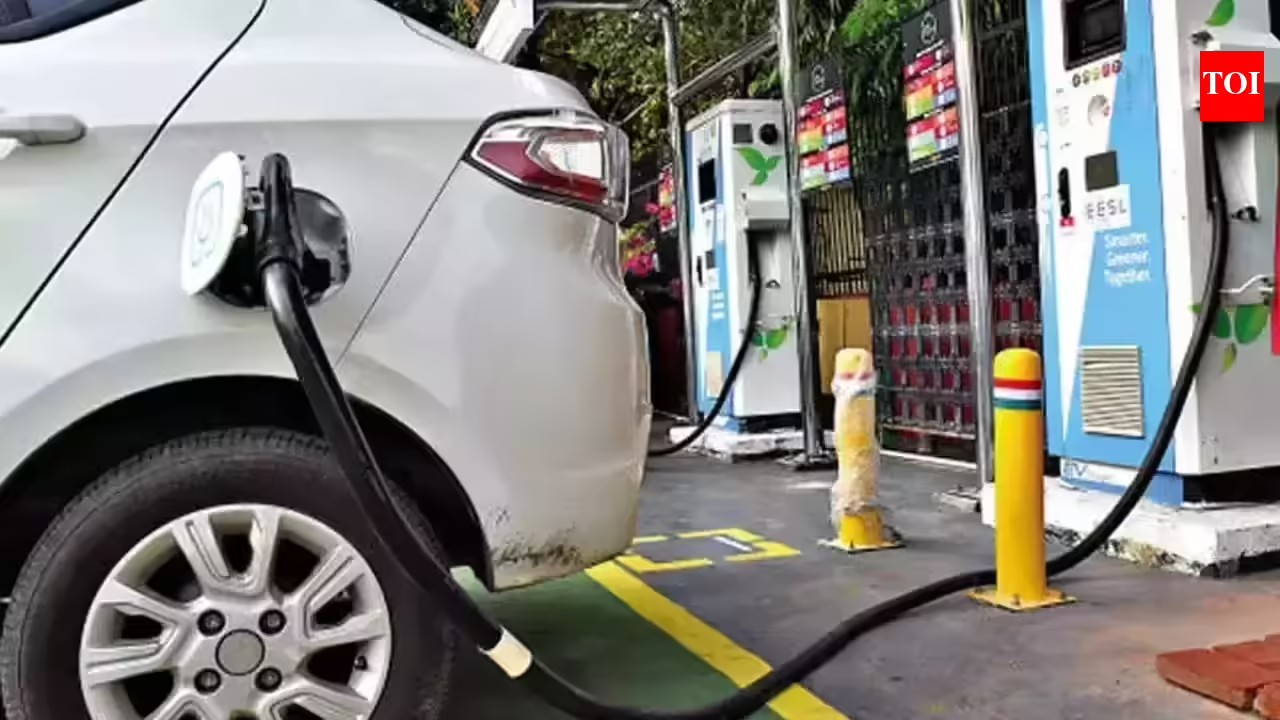
While the national automotive market remains heavily dependent on fossil fuels, the Delhi government has taken a dramatic leap forward. In a landmark cabinet meeting chaired by Chief Minister Rekha Gupta, the administration approved a sweeping policy that completely eliminates the choice of buying new combustion engines or even hybrid models. The radical framework makes electric vehicle (EV) adoption entirely compulsory rather than voluntary. Following formal approval from the Lieutenant Governor, the policy goes into effect on July 1, running through March 31, 2030. Under these strict guidelines, the city will completely halt new registrations for petrol, diesel, CNG, and ethanol-powered two-wheelers, three-wheelers, and light trucks over the next few years.
The Phased Registration Deadlines
The administration is deploying a calculated countdown to clear the roads of fossil-fuel vehicles.
Three-Wheelers: Starting January 1 next year, the transport department will only register electric three-wheelers for both passenger and commercial goods transit.
Two-Wheelers: From April 1, 2028, the registration ban extends to two-wheelers, meaning all newly purchased motorcycles and scooters must be fully electric.
Commercial Trucks: New registrations for standard N1 category internal combustion cargo trucks will be halted entirely.
To fund this massive structural overhaul, estimated to cost ₹7,000 crore, Delhi will implement a one to two percent green cess on the sale of remaining ethanol and CNG vehicles. The budget will directly support the deployment of 23,000 brand-new EV charging points across the capital.
Massive Subsidies and Tax Waivers Detailed
To cushion the financial blow for consumers, the policy introduces substantial early-bird purchase incentives alongside a complete 100% road tax and registration fee waiver. The tax exemption applies to all electric cars with an ex-showroom price of up to ₹30 lakh.
Direct cash subsidies are structured across a three-year sliding scale to encourage immediate purchasing. For Electric two-wheelers, it will get Up to Rs.30,000 subsidy and up to Rs.20,000 subsidy in 2nd year, up to Rs.10,000 in the 3rd year. For electric three-wheelers, it is up to ₹50,000 in year-1, up to ₹40,000 for the second year and up to ₹30,000 for the third year. As for N1 Goods EVs (up to 3.5 tonnes), they will get up to ₹1,00,000 subsidy in the first year.
Lucrative Scrapping Payouts and Institutional Mandates
The government is offering direct cash payouts to take polluting vehicles off the road entirely. Vehicle owners who choose to scrap their older BS-IV or legacy vehicles can claim an incentive of up to ₹1 lakh for private cars. Scrapping an older two-wheeler yields a ₹10,000 bonus, while auto-rickshaw owners receive ₹25,000. Light commercial cargo vehicles earn a ₹50,000 scraping credit, and local Gramin Seva transit vehicles qualify for ₹15,000.
Educational institutions are also legally required to clean up their transport networks. The policy outlines a strict compliance timeline for school buses. Schools must ensure that at least 10% of their active bus fleet is fully electric within two years. This quota rises to 20% in the third year, before hitting a final mandatory threshold of 30% by March 31, 2030. This policy pivot sets a massive precedent for the rest of India. While other state governments have relied on gentle persuasion to promote green energy, Delhi’s combination of aggressive financial incentives, green taxes, and hard registration deadlines marks a bold new strategy in fighting urban air pollution.
Related News
8.7 Crore Indian Youth Lack Jobs and Training: NITI Aayog’s Blueprint for ‘Viksit Bharat’
BJP Leadership Announces Dedicated Committee to Attract Gen Z
Three Aspects to Learn from Southern States: Amit Shah

US Says Jammu & Kashmir is an Integral Part of India… Pakistan Condemns
Only Two Stanzas of Vande Mataram… CWC’s Key Decision