

Amazon and Flipkart’s Rapid Delivery Push Wipes Out $15 Billion from Competitors Eternal and Swiggy
- Published By: Phanindra
- June 30, 2026 / 10:24 AM IST


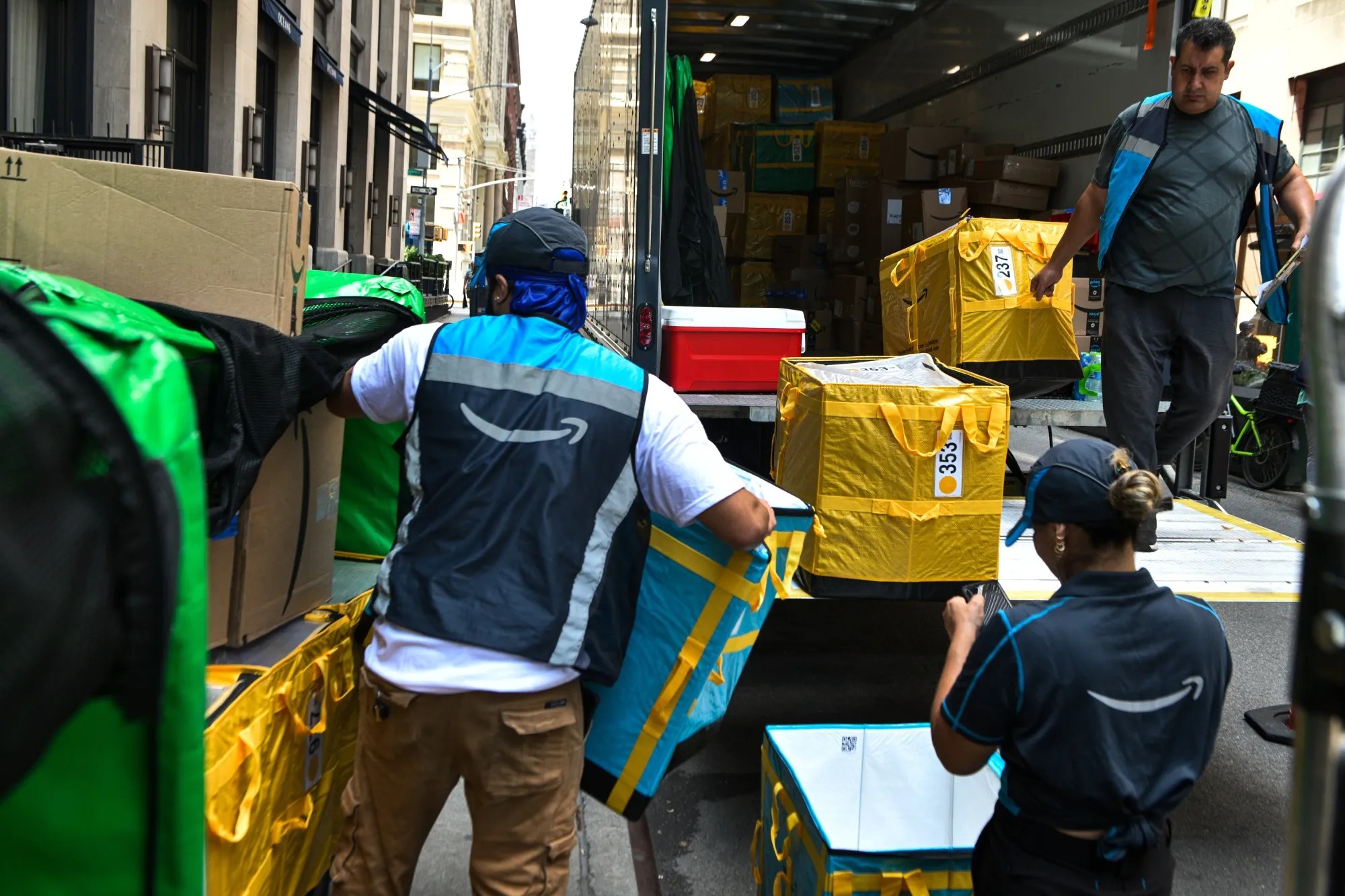
The battle for India’s hyper-fast, 10-minute delivery market has escalated into a brutal price war. What was previously a three-way turf war between Blinkit (owned by Eternal), Swiggy Instamart, and Zepto has transformed overnight into an all-out corporate battleground. E-commerce titans Amazon and Flipkart are aggressively deploying their massive financial resources to muscle into the quick-commerce space, reshaping the country’s retail ecosystem.
Big Tech Storms the Dark Store Networks
The incoming e-commerce giants are skipping gradual rollouts, opting instead for a massive, multi-city infrastructure blitz. By rapidly setting up hyper-local micro-warehouses—commonly known as dark stores—both firms are shifting their strategic focus from saturated metropolitan hubs down into the country’s interior.
Amazon’s Multi-City Ambition: The company is aggressively scaling up its revamped ‘Amazon Now’ platform, aiming to deploy hyper-fast delivery operations across more than 300 Indian cities.
Flipkart’s Logistical Blitz: Walmart-owned Flipkart has drafted a blue-chip expansion roadmap to deploy 1,500 dedicated dark stores across 180 distinct municipal regions over the coming months.
The Reliance Counter-Offensive: Not to be outdone, Reliance Retail is heavily leveraging its massive footprint, using JioMart to expand rapid delivery frameworks into more than 1,200 towns and cities.
A $15 Billion Slaughter in Public Markets
The financial shockwaves of this hyper-competitive entry hit the stock market immediately. Anticipating a prolonged, margin-crushing price war driven by deep discounts and heavily capitalized marketing campaigns, institutional investors rapidly dumped shares of early market front-runners. The resulting market capital correction has been devastating. From their absolute peak valuations, parent company Eternal witnessed its stock price crater by 28%. The damage was even more severe for Swiggy, which watched its shares lose 47% of their total value. This simultaneous selloff wiped out a massive $15 billion (approximately ₹1.41 lakh crore) in collective investor wealth in record time.
The Tier-2 and Tier-3 Growth Lifeline
The heavy capital expenditures required to set up thousands of microscopic refrigeration units and micro-hubs are placing immense pressure on the quarterly profitability of all players involved. However, despite the current financial bleeding, industry analysts note that the underlying total addressable market (TAM) is growing far faster than originally projected. The primary catalyst driving this growth is the rapid consumer adoption across Tier-2 and Tier-3 cities. Working-class families in smaller towns are showing an unprecedented appetite for the sheer convenience of 10-minute grocery drop-offs. As long as this deep rural demand continues to skyrocket, Big Tech and domestic players alike will keep burning through billions to claim their slice of India’s quick-commerce pie.
Related News

Chief Minister Chandrababu Naidu seek cooperation of IIT professionals to develop Andhra Pradesh as a global knowledge hub

CM Chandrababu Naidu to lay foundation for three lakh housing project in Tenali constituency along with Union Minister Shivraj Singh Chouhan

Keep rivers clean: Chief Minister express concern over discharge of waste water into Krishna and Godavari rivers
Initiate measures on war footing to permanently address drinking and industrial water requirements of Visakhapatnam: CM
BGMI HOT DROP Lands in Visakhapatnam at Inorbit Mall