

Tirupati Airport Secured as Authorized e-Visa Entry Point for International Devotees

- Published By: Vishal
- August 12, 2026 / 05:51 PM IST


Hyderabad: The Union Ministry of Home Affairs has officially notified the Tirupati (Renigunta) International Airport as an authorized entry point for foreign nationals holding Indian e-Visas. This landmark inclusion establishes Tirupati as the 37th designated airport and the 88th official entry port overall in India to offer e-Visa entry services, providing a major boost for international pilgrims traveling to the sacred Tirumala Srivari temple.
Previously, overseas devotees visiting Tirupati were required to land at major international hubs like Chennai, Bengaluru, or Hyderabad to clear their e-Visa immigration processes before making the subsequent journey to Tirupati via road or domestic flights. Under this updated framework, once international flight connectivity is established, eligible foreign travelers holding valid e-Visas will be able to utilize Tirupati Airport directly as their authorized point of entry into the country.
Despite receiving official international status clearance from the Union Cabinet back in 2008 and its formal Gazette notification in 2017, the airport has continued to await regular scheduled international commercial service. Although it successfully managed an international charter flight from Singapore in December 2024 and boasts significant infrastructure upgrades—including a runway extension to 3,810 meters capable of supporting Code E aircraft alongside handling nearly 10 lakh passengers in 2024–25—scheduled operations remain dependent on airline deployment decisions, market demand, and bilateral agreements.
In response to the new e-Visa notification, Tirupati MP Dr. Maddila Gurumurthy noted that while this marks a crucial step forward for overseas travelers, activating regular international connectivity relies on carriers operating out of the region. Discussions are actively underway with major carriers, including IndiGo and Air India Express, to introduce direct routes connecting Tirupati to key Gulf destinations such as Dubai and Abu Dhabi—longstanding demands for local employment travel—though airlines have requested viability gap funding to offset initial operational hurdles.
Related News

Maxivision Super Speciality Eye Hospital Inaugurates Second Facility in Vijayawada at Poranki
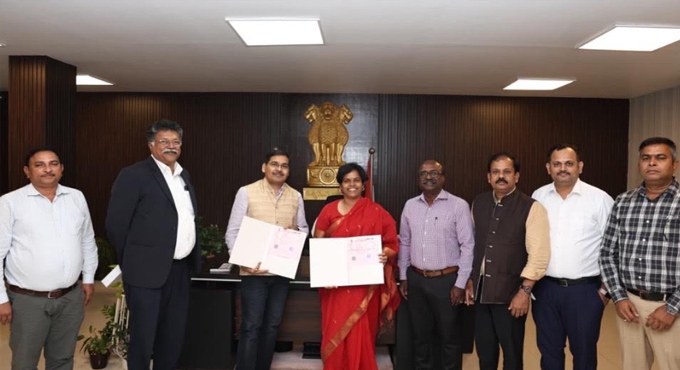
ReNew and Anakapalli District Administration Join Hands to Skill 300 Women for Clean Energy Jobs
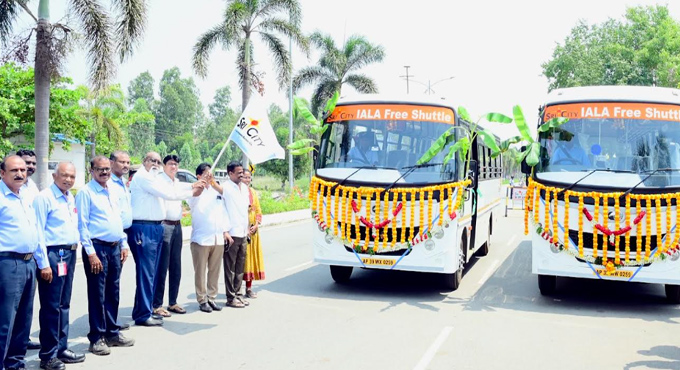
Sri City IALA To Launch Free Internal Shuttle Bus Service

AP’s Principal Liaison for North America Investments, Satish Manduva Visits Sri City
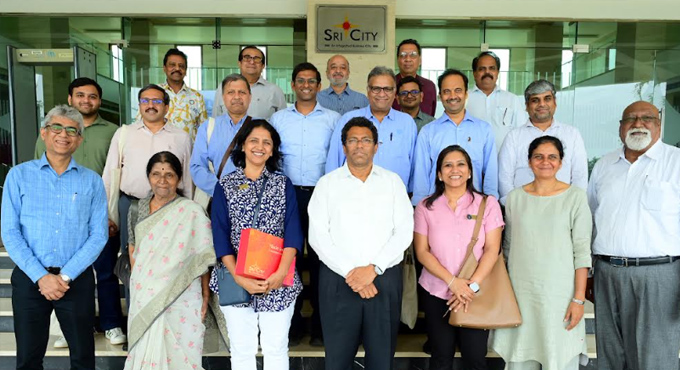
Rotary Club of Madras East Delegation Visits Sri City