

New Study Reveals Anthocyanin-Rich Foods Support Heart and Metabolic Health in Healthy Adults
- Published By: Vishal
- August 16, 2026 / 06:21 PM IST


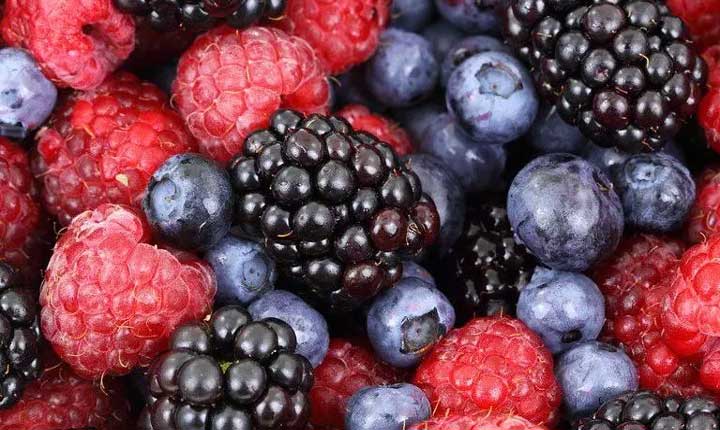
A comprehensive systematic review and meta-analysis published in The American Journal of Clinical Nutrition highlights that an increased dietary intake of anthocyanins natural bioactive compounds found abundantly in red, blue, and purple foods can significantly support cardiovascular and metabolic wellness among otherwise healthy adults. Anthocyanins are plant pigments responsible for vibrant colorations, with berries serving as exceptionally rich sources, particularly USA blueberries.
Key Statistical Findings from Clinical Studies:
Researchers evaluated 18 prospective cohort studies spanning 27 publications alongside 65 randomized controlled trials involving healthy adults without pre-existing diagnosed diseases. When comparing higher habitual anthocyanin consumption against lower intake levels, the analysis associated higher consumption with substantial risk reductions:
26% lower risk of cardiovascular disease
18% lower risk of myocardial infarction (heart attack)
11% lower risk of type 2 diabetes
9% lower risk of cardiovascular mortality
8% lower risk of hypertension
Furthermore, randomized trials demonstrated measurable improvements in blood-vessel function and insulin concentrations at daily dietary intakes beginning at just 50 mg a target easily attainable through a diet rich in colorful whole foods.
Relevance for India and Practical Dietary Integration:
These insights arrive at a critical time for India, where lifestyle-related health conditions such as hypertension, type 2 diabetes, and cardiovascular diseases are steadily rising. Incorporating a broader variety of naturally colorful fruits and vegetables elevates overall nutritional quality. Versatile options like fresh, frozen, or dried USA blueberries can be conveniently integrated into yoghurts, oats, smoothies, breakfast items, salads, desserts, and select Indian culinary recipes.
Raj Kapoor, India Representative for the U.S. Highbush Blueberry Council, noted that the research reinforces dietary diversity and the addition of naturally colorful foods, emphasizing that USA blueberries offer essential anthocyanins that seamlessly fit into contemporary Indian eating patterns.
Expert Perspective and Balanced Approach:
Study lead investigator Professor Aedín Cassidy emphasized that simple, highly achievable dietary modifications can meaningfully contribute to lowering the long-term risk of hypertension, cardiovascular disease, and type 2 diabetes. However, experts caution that no single food acts as a cure or standalone preventative measure; rather, anthocyanin-rich choices should form part of a balanced diet complemented by regular physical activity, proper sleep, and guidance from medical professionals.
Related News

EuroKids Celebrates Independence Day with Nationwide Preschool Festivities

Hyderabad Previews IMMERSA A Multi-Sensory Paradigm Shift in Collective Wellness

Project Serotonin Launches Tenth-Generation Preventive Health Platform and Precision Health OS in Bengaluru

The Amazing Health and Scientific Secrets Hidden in Bonam Naivedyam

Are You Mentally Strong? 4 Quick Signs to Check Your Mindset, According to Jay Shetty