

Electric Vehicles: New Opportunities for India’s Vehicle Loans Sector
- Published By: Tech Team
- November 6, 2026 / 07:28 PM IST


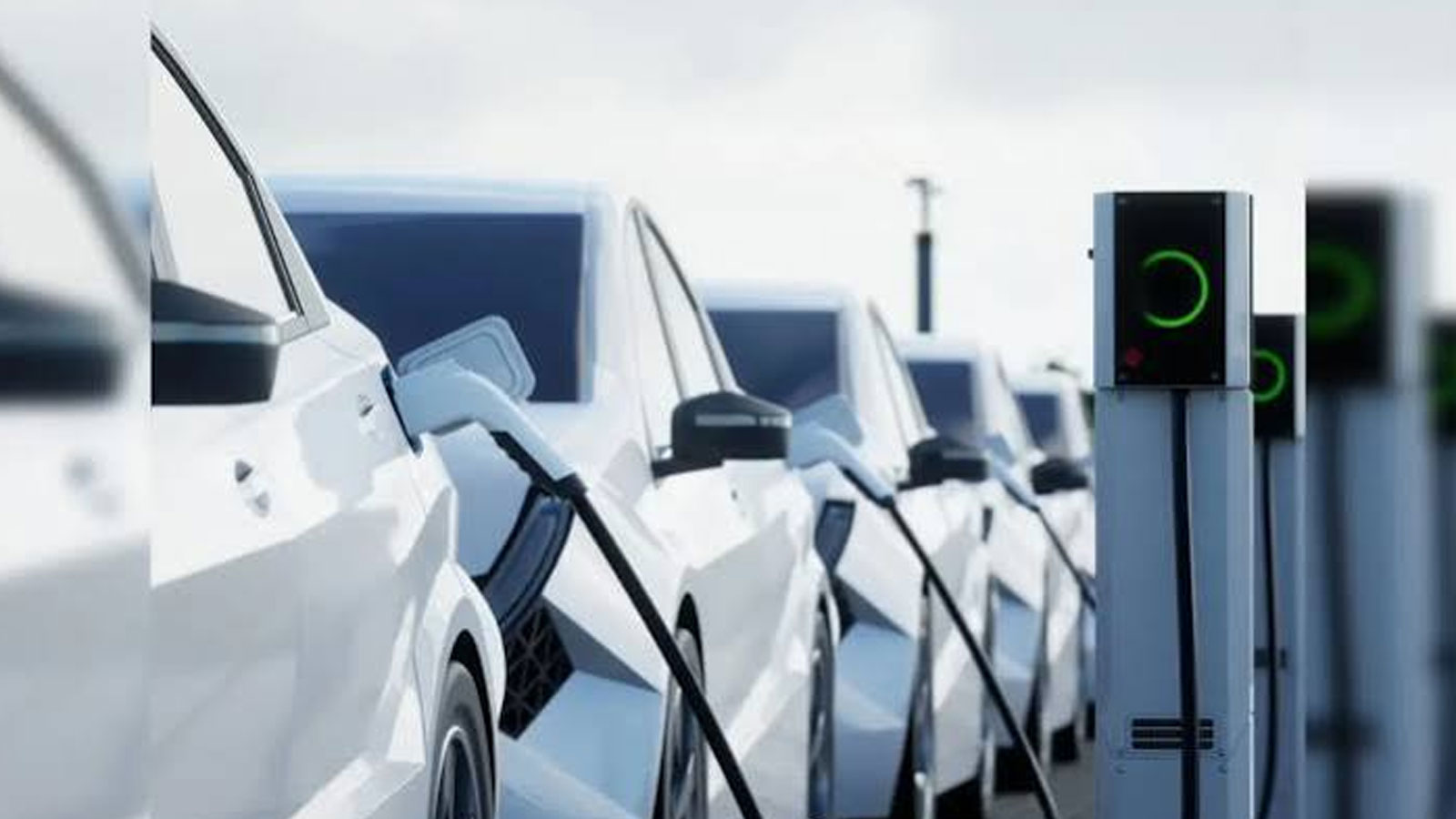
Electric vehicles are emerging as a crucial growth driver for India’s vehicle loans sector, presenting new opportunities as consumers increasingly adopt electric two-wheelers for daily commuting, small businesses, and delivery services. According to VAHAN data analyzed by ‘EV Reporter’, about 12.8 million electric two-wheelers (excluding low-speed variants) were registered in calendar year 2025, marking an 11.4 percent increase compared to 2024 and accounting for over half of all EV sales. Premkumar G, Business Head – Vehicle Finance at Ujjivan Small Finance Bank, emphasizes that as India reduces its heavy reliance on crude oil imports, financial systems must make the transition to EVs affordable, reliable, and sustainable to appeal to cost-conscious customers. While running costs are lower, upfront acquisition costs remain a challenge, making vehicle financing essential by distributing the payment burden into manageable EMIs for salaried individuals, small business owners, and delivery partners.
Government initiatives like the PM E-DRIVE scheme launched in September 2024 provide subsidies and incentives that reduce purchase barriers, though buyers must evaluate the Complete Cost of Ownership (CCO). Strategic partnerships between financial institutions, original equipment manufacturers, and dealerships—along with simplified digital loan documentation, transparent interest rates, and emerging models like Battery-as-a-Service (BaaS) and battery swapping—help lower initial investment hurdles. However, lenders face new considerations regarding battery technology variations, vehicle resale values, and varying manufacturer support. Responsible lending requires financial institutions to enhance their understanding of EV performance, borrower profiles, and secondary markets while offering flexible loan tenures, transparent terms, and clear repayment schedules. Ultimately, the success of EV financing depends on making clean mobility accessible, affordable, and practical for everyday users, unlocking robust business growth for the financial sector as India accelerates its electric mobility transition.
Related News
String Metaverse, Coromandel, and Godrej Agrovet Announce Q2 and H1 FY27 Results

Hyderabad to Host World’s Largest Poultry India Expo from November 25
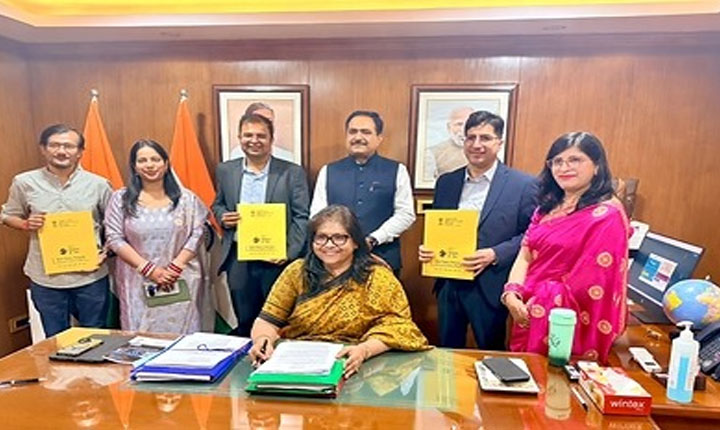
Godrej Foundation Partners with Ministry of Culture and AUR to Erect ‘Godrej Pavilion’ at Purana Qila for India Biennale 2026

Invesco Mutual Fund Launches #NayaRiwaaz Diwali Campaign Highlighting Generational Wealth and Discipline
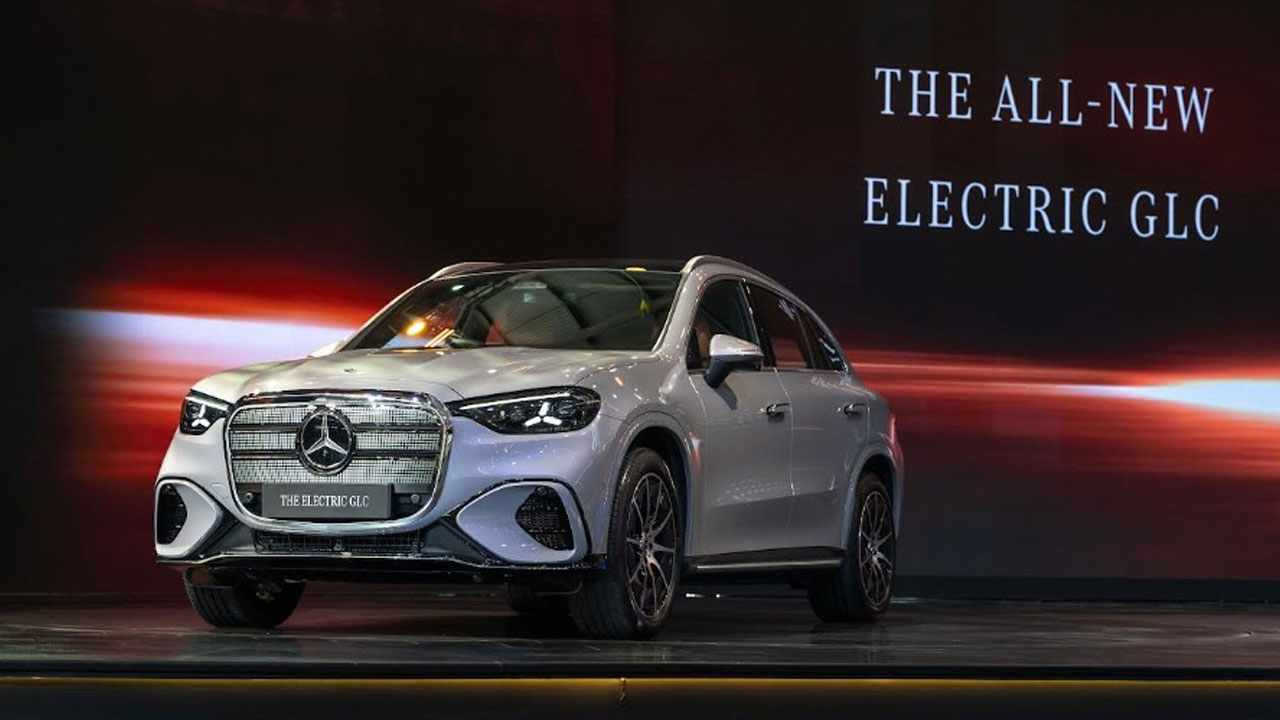
Mercedes-Benz India Commences Local Production of All-New Electric GLC at Chakan Facility