China Targets 50% Of Power From Non-Fossil Sources By 2030
- Published By: Phanindra
- June 28, 2026 / 10:54 AM IST


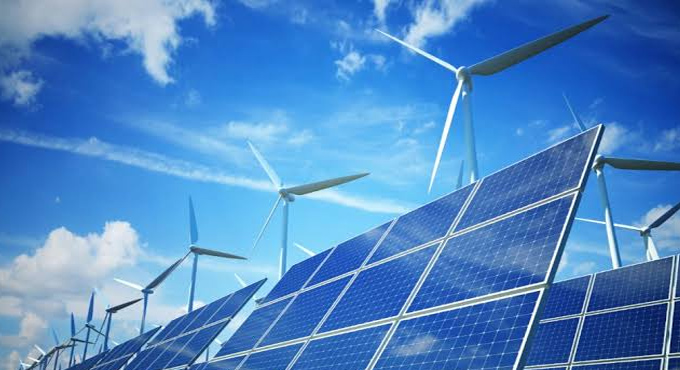
China has set itself an ambitious clean energy target: generating 50% of its domestically produced electricity from non-fossil fuel sources within the next four years. The country already gets there partway, with 42.3% of its electricity coming from non-fossil sources as of 2025. Experts believe the sector is growing so fast that it could end up overshooting the government’s own targets. As part of this push, China is planning for solar and wind energy to account for up to 30% of total power generation by 2030, up from 22% last year.
Emissions Still Expected To Rise
China projects that electricity consumption will grow 5% annually over the next five years. Despite the shift toward non-fossil fuels, Greenpeace East Asia policy adviser Yao Zhe said emissions from power generation are still expected to rise over this period, given how fast overall demand is climbing. Yao added that even though the green energy sector is already expanding rapidly on its own momentum, this particular government target doesn’t appear to be triggering any noticeable jump in new investment.
China’s Outsized Role In Emissions And Green Build-Out
China currently leads the world both in the construction of green energy infrastructure and in total carbon emissions. The Chinese government has decided that no single sector should see its carbon emissions exceed a 10% increase, and shifting power generation toward non-fossil sources is central to that effort, according to Cui Jin, an analyst at the Centre for Research on Energy and Clean Air. Jin explained that if electricity consumption keeps growing 4-5% annually, carbon emissions from the power sector will rise sharply by 2030. Bringing those emissions back down to where they stood at the end of last year would require cuts of at least 17-23%.
Hydrogen, Storage, And Even Space-Based Power
As part of its broader energy strategy, China is also targeting an increase in non-pumped hydro energy storage capacity to 300 gigawatts by 2030, alongside an annual target of 2 million metric tonnes of renewable hydrogen production. Looking further ahead, China is also drawing up plans for “space-based power stations” that would generate and store electricity in space, with the goal of supplying power to data centres the country is planning to build in orbit.
Related News

GIRI Opens 39th Showroom and Cultural Hub on MG Road, Puducherry

Citizens Specialty Hospital in Nallagandala Marks World Heart Day with Community Walkathon

JioStar Unveils ‘Har Ghar Mein Jashn’ Festive Playbook to Help Brands Capture Surge in Consumer Spending

Rapido Expands Food Delivery App Ownly to Hyderabad with a Unique Captain Biryani Celebration

Sennheiser Launches MOMENTUM 5 Wireless and MOMENTUM True Wireless 5 in India