
From Chicken Neck Choke-point to Sea Lane: The Japan-India- Bangladesh Industrial Transformation
- Published By: shivaduvvuru
- June 21, 2026 / 12:15 PM IST


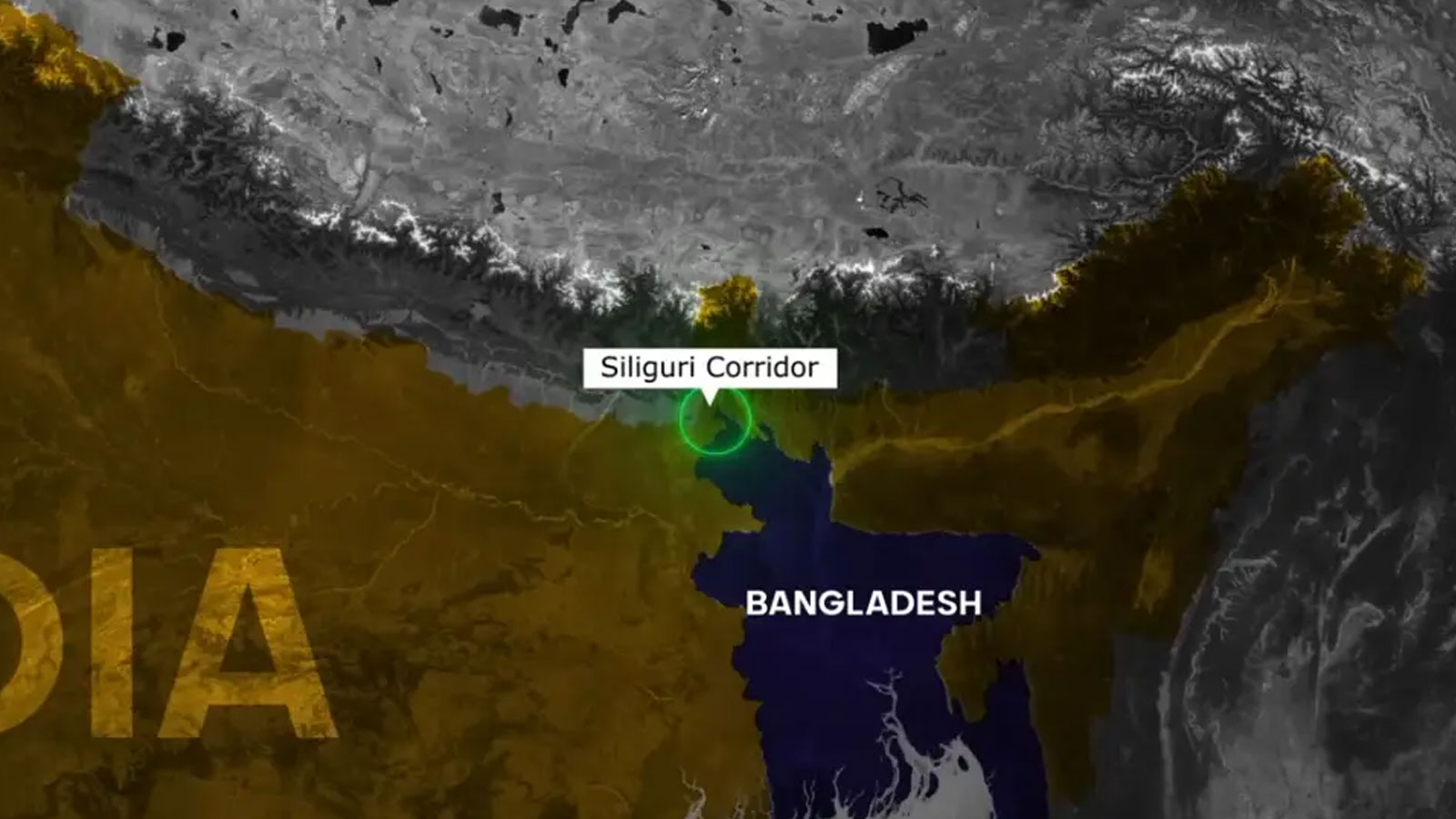
The narrow, 22-kilometer strip of land known as the “Chicken’s Neck” (the Siliguri Corridor) was considered India’s biggest security vulnerability. Because this thin corridor is the only land route connecting mainland India to its eight northeastern states, any regional conflict threatened to cut off 45 million citizens from the rest of the country.
However, a major shift has occurred. By bypassing local bureaucratic delays and placing 120 acres of strategic land directly under national control, India has fortified the Chicken’s Neck. More importantly, this domestic security upgrade has unlocked a massive international trade strategy. Together with Japan, India is turning the landlocked Northeast into a booming gateway to the ocean.
Highlighting the urgency of this initiative, Japanese Prime Minister Sanae Takaichi is arriving in India today. In a highly symbolic move, she is bypassing New Delhi to fly directly into Guwahati, Assam, alongside top executives from 50 of Japan’s biggest corporations (including Suzuki, Toyota Tsusho, and Itochu).
The Big Picture: Bypassing the Neck
The goal of the Japan-India partnership is simple: rather than forcing all cargo to travel through the congested Chicken’s Neck, trade will flow horizontally through Bangladesh directly to the sea.
Phase 1: Immediate Benefits Reaped on the Ground
While a mega-project of this scale takes years to fully realize, Phase 1 is already nearing completion and delivering immediate, tangible economic benefits:
1. The Matarbari Deep-Sea Port Catalyst: Funded heavily by the Japan International Cooperation Agency (JICA), this massive deep-water port in Bangladesh is on track to be fully operational by January 2027. Sacking the old system of using slow, expensive feeder boats, massive container ships can now load cargo directly. This slices transit times to Japan and Southeast Asian markets by days.
2. Boosting High-Tech Manufacturing (The Tata Chip Plant): Capitalizing on this new transport link, the Tata Group is constructing a $2.86 billion semiconductor plant in Jagiroad, Assam. Japan’s high-tech manufacturing giants are pairing their equipment and supply chain expertise directly with this facility, transforming Northeast India into a tech hub.
3. Slicing Logistical Costs: Bangladesh has opened its borders to duty-free transit loops for Indian goods. Instead of traveling 1,000 miles around Bangladesh via the traditional, winding land route, cargo drops straight south. This saves millions of dollars in fuel and eliminates border checkpost bottlenecks.
4. Job Creation and Digital Infrastructure: Phase 1 has already seen massive rollouts of 5G infrastructure, clean energy grids, and digital data centers. This has generated thousands of engineering, logistics, and manufacturing jobs for local youth, curbing historical economic isolation.
Unburdening the Chicken’s Neck from local bureaucratic constraints has allowed India to shift from a defensive posture to a major offensive economic strategy. Prime Minister Takaichi’s landmark visit straight to the frontlines of this corridor underscores a shared vision: the Bay of Bengal is no longer just a body of water, but a vital, secure supply chain hub for the entire Indo-Pacific.
Related News

JK Tyre Rally of Himalayas 2026 Concludes with a Display of Grit, Speed and Himalayan Endurance
Sri City MD Delivers Keynote Address at CII’s Namaste Asia Summit

GOPIO Announces 2026 Biennial Convention and Conference in Mumbai
Tamil Nadu Student Innovators Harness AI and Wearable Tech for Social Impact
Dr. Vaidehi Taman Explores Kashmir’s Centuries-Old Knowledge Tradition