

Dr. Sanjay Singh Negi on COVID-19 Resurgence and Genomic Surveillance
- Published By: Vishal
- July 21, 2026 / 07:46 PM IST


Recent reports of two COVID-19-related deaths and eight active cases in the YSR Kadapa district of Andhra Pradesh have raised health concerns regarding whether the virus has mutated again. The first victim was a 60-year-old man with extensive comorbidities including diabetes and kidney disease who was initially admitted to the Sri Venkateswara Institute of Medical Sciences (SVIMS) in Tirupati before being shifted to the Christian Medical College (CMC) in Vellore, Tamil Nadu, where he passed away during treatment. a postmortem RT-PCR test subsequently confirmed a positive COVID-19 diagnosis. The second fatality involved a 46-year-old man admitted to the Government General Hospital in Kadapa for acute breathlessness and persistent cough, who succumbed to severe bilateral lung damage and pneumonia detected via a chest CT scan. In response, the state health department initiated contact tracing and testing, identifying five cases in Kadapa and three among their contacts, while neighboring Odisha has increased border surveillance in areas like Ganjam, Koraput, and Malkangiri, alongside mandatory testing for patients presenting Severe Acute Respiratory Illness (SARI).
Analysis of Potential Causes and Viral Evolution:
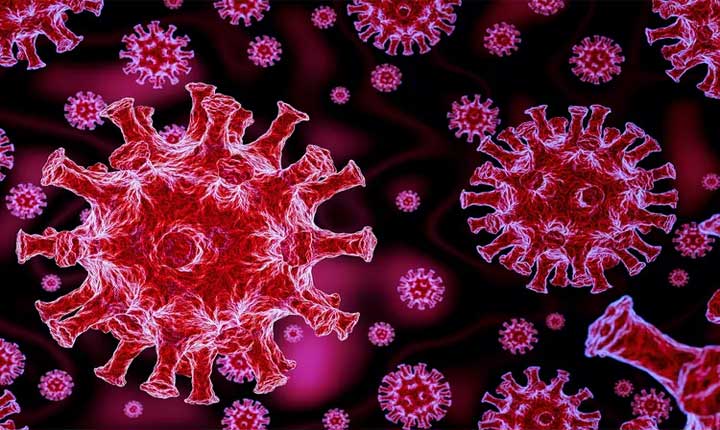
Because the deceased patients experienced rapid development of respiratory distress, the likely reason for the current spike could be an aggressive Omicron subvariant. However, any speculation regarding viral evolution or increased pathogenicity must await confirmation through whole-genome sequencing results expected from the National Institute of Virology (NIV) in Pune, making it premature to conclude that a significantly altered variant is responsible. There is no cause for public panic, as most circulating SARS-CoV-2 variants in recent years are descendants of the Omicron lineage; while these variants demonstrate higher transmissibility than earlier strains like Delta, they are generally associated with lower rates of severe disease and mortality, particularly among vaccinated individuals. Nonetheless, elderly persons, individuals with underlying medical conditions, immunocompromised patients, and those with incomplete vaccination remain at increased risk of severe outcomes.
Recommended Preventive Measures and Public Health Guidelines:
At this stage, the priority involves strengthening surveillance systems, maintaining diagnostic vigilance, and promoting public awareness. Individuals should avoid ignoring symptoms suggestive of COVID-19 or other respiratory viral infections including fever, chills, cough, fatigue, shortness of breath, sore throat, headache, muscle aches, nasal congestion, loss of taste or smell, and gastrointestinal symptoms like nausea, vomiting, or diarrhoea making early medical consultation and timely treatment essential for high-risk groups. Basic preventive measures continue to be effective, such as wearing masks in crowded or poorly ventilated settings, practicing proper cough and sneeze etiquette, maintaining hand hygiene, and avoiding close contact with vulnerable individuals when symptomatic to prevent spreading the virus to elderly family members, young children, and people with chronic illnesses.
Related News
Experts Advocate Prevention, Early Detection, and Community Awareness at World Heart Day Conference

Pullela Gopichand Emphasizes Sports as Essential for Viksit Bharat at PRana 2026

Litemed India Launches ‘Curapod M’, an Innovative Health-Tech Device for Menstrual Pain

Olympian Pranati Nayak to Represent India Solely in Gymnastics at Asian Games 2026
India Health Forward 2047 Summit Convenes Leaders in Hyderabad to Build Resilient Healthcare Systems