

Dengue Preparedness in Hyderabad Why Early Testing Matters as the City Enters Dengue Season
- Published By: techteam
- June 2, 2026 / 02:05 PM IST


Dengue: As Hyderabad enters the seasonal transition period where dengue infections traditionally begin to surface, healthcare and diagnostic experts are issuing a critical warning to residents. People are strongly advised not to dismiss a persistent fever as just another common cold or viral bug. While vector-borne disease numbers generally spike during the heavy monsoon months, medical professionals emphasize that early preparedness, vigilance, and timely diagnostic testing before the heavy rains set in are vital to preventing severe medical complications.
Changing Patterns and Urban Hotspots:
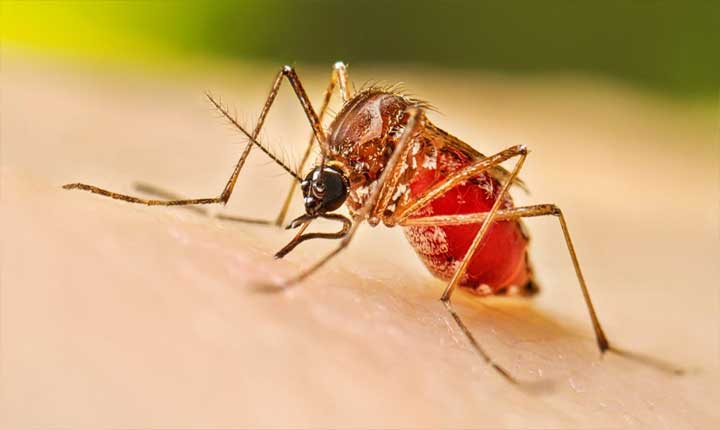
Data from recent years reveals a troubling shift in how vector-borne diseases behave in Telangana. In 2025, the state recorded a noticeable rise in dengue cases, with numbers starting their upward trajectory as early as April and June. Experts point out that dengue activity in Hyderabad is no longer strictly confined to the peak of the monsoon. Intermittent pre-monsoon showers, high humidity, urban density, and fluctuating temperatures create a prolonged breeding window for the Aedes mosquito. Traditional hot spots include stagnant water in residential coolers, open terraces, unsecured construction sites, open water tanks, and poorly maintained drainage systems in rapidly urbanizing areas. Public health officials note that rapid urbanization and changing climate patterns have turned vector-borne diseases into a major, year-round urban health challenge across South India.
The Overlap of Symptoms and Diagnostic Delays:
The primary obstacle to effectively managing dengue is delayed detection. Because the initial symptoms closely mimic standard seasonal flu, typhoid, chikungunya, or gastrointestinal bugs, many individuals attempt to self-manage at home. Common early symptoms like high fever, fatigue, severe headaches, nausea, and joint pain are often ignored until severe complications develop. These complications can include a drastic reduction in platelets, internal bleeding, severe dehydration, and multi-organ involvement. Dr. Ankita Srivastava, a pathologist at Neuberg Diagnostics Hyderabad, notes that the city is already witnessing its typical seasonal uptick in fevers. She explains that many people assume a persistent fever is simply a seasonal viral illness, which delays testing. She emphasizes that children and young adults who spend significant time outdoors are currently the most vulnerable groups, making early testing and medical monitoring essential to prevent disease progression.
The Platelet Count Misconception and Preventive Care:
A critical warning shared by Hyderabad’s medical community involves the common misconception surrounding platelet counts. Many patients delay seeking professional medical care, waiting for a drastic drop in their platelet numbers before taking the illness seriously. Diagnostic experts warn that a platelet count alone does not dictate the severity of a dengue infection. Relying solely on this single metric can lead to dangerously delayed interventions. Early clinical assessments and comprehensive diagnostic panels remain the safest method for tracking and monitoring the infection safely. As the city navigates this seasonal transition, healthcare experts stress a multi-layered approach to staying safe, which includes source reduction by emptying stagnant water, seeking a proper medical test if a fever persists beyond forty-eight hours, maintaining high fluid intake to fight dehydration, and using mosquito repellents.
Related News

Anvayaa Kin Care Marks 10th Anniversary with Major Milestones and Three New Launches

Dr. Sanjay Singh Negi on COVID-19 Resurgence and Genomic Surveillance

Chef Deepak’s Smoky Vegetable Khichdi Bowl A Nutritious and Flavorful Twist

Buying Expensive Deodorant but Still No Use? Here is the Real Reason!

Soha Ali Khan’s Smart Approach to Sustainable Weight Management