
New US Visa Rule Could Tighten Stay Limits for International Students
- Published By: shivaduvvuru
- June 23, 2026 / 02:16 PM IST


US: A major shift in United States immigration policy is moving closer to reality. The Department of Homeland Security (DHS) has sent a final regulation to the White House for review a rule that could fundamentally change how international students maintain their legal status in the country.
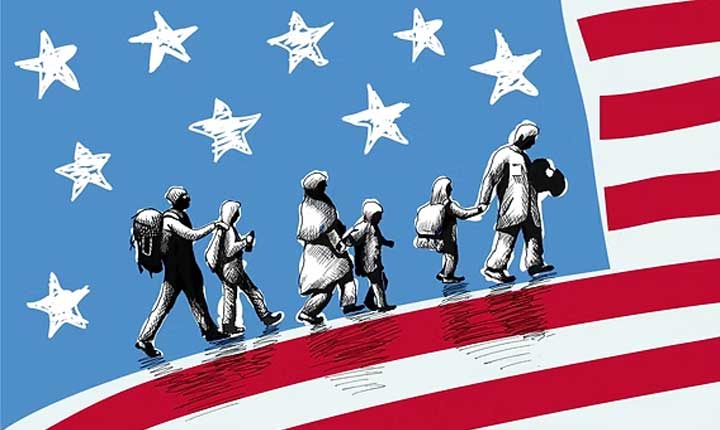
The regulation aims to dismantle the long-standing “Duration of Status” system and replace it with strictly fixed periods of stay for student (F) and exchange visitor (J) visa holders, along with foreign media representatives (I). The rule is currently under review at the Office of Management and Budget (OMB), the final procedural step before it can be published and take effect.
What Is Changing?
Currently, international students on F-1 visas operate under a flexible framework. As long as they remain enrolled in their academic programs, maintain satisfactory progress, and follow visa rules, they are legally permitted to stay in the U.S. for as long as their program requires without a fixed expiration date on their I-94 record.
The new framework scraps that flexibility. Instead of an open-ended stay, students would be granted a set admission period tied to their program end date and capped at four years. Anyone who needs more time to finish a degree, complete research, or recover from an academic setback would have to formally apply to USCIS for an extension of stay, a filing that may include biometrics screening and additional documentation.
The proposal carries several other significant changes. The post-completion grace period for F-1 students would be cut from 60 days to 30, compressing the window students have to depart, apply for Optional Practical Training (OPT), or change status. The rule would also restrict undergraduates from changing schools or programs during their first year and would generally bar graduate students from switching programs once enrolled. Critically, students who stay beyond their fixed admission period would begin accruing unlawful presence automatically which can trigger multi-year reentry bars.
Why Now?
The policy idea isn’t new. DHS first proposed a version of this fixed-term stay rule in 2020 during the first Trump administration, but it was withdrawn in 2021 before implementation. The proposal was revived in 2025, with a Notice of Proposed Rulemaking published in late August 2025. The public comment period drew more than 34,800 comments, with the overwhelming majority opposed.
DHS submitted the final rule to OMB for review in early May 2026. Once OMB clears it, the regulation will be published in the Federal Register, with an effective date generally expected 30 to 60 days afterward. Observers anticipate the rule could apply to new students entering for the fall 2026 semester, though the exact contents and any provisions for students already in the country — will not be confirmed until the final text is published.
The Impact on International and Indian Students:
The development introduces systemic uncertainty for higher education in America, particularly for the large population of Indian students, who currently make up the largest international student cohort in the United States.
University administrators and higher-education experts have raised concerns about how the rule would complicate academic journeys. The new hurdles could significantly affect:
Long-term research: PhD candidates and STEM researchers, whose timelines frequently stretch past four years, would face repeated extension filings and bureaucratic checks.
Academic flexibility: Changing majors, adding a minor, or switching programs could become a visa risk if it pushes graduation past the fixed deadline.
Post-study career planning: The added paperwork and scrutiny combined with the shorter grace period could make planning for OPT and the transition into the workforce considerably more stressful.
The rule would apply to F visa holders, J exchange visitors, I visa holders (foreign media representatives), and their respective dependents. If finalized as proposed, it would mark one of the most restrictive structural changes to the U.S. student visa system in decades.
Related News
GOPIO Presents Memorandum on Diaspora Issues and Suggestions to Minister Jaishankar

Top 6 Stays in Dubai for Your Next Workation

SriLankan Airlines Restores Complete Middle East Network With Kuwait Service Resumption

Two Years After Trump’s Inflation Spotlight, Rising Grocery Prices Loom as a Political Vulnerability for Republicans Ahead of Midterms
US Imposes Up to 100% Tariffs on Drones to Curb Chinese Dominance and Bolster Security