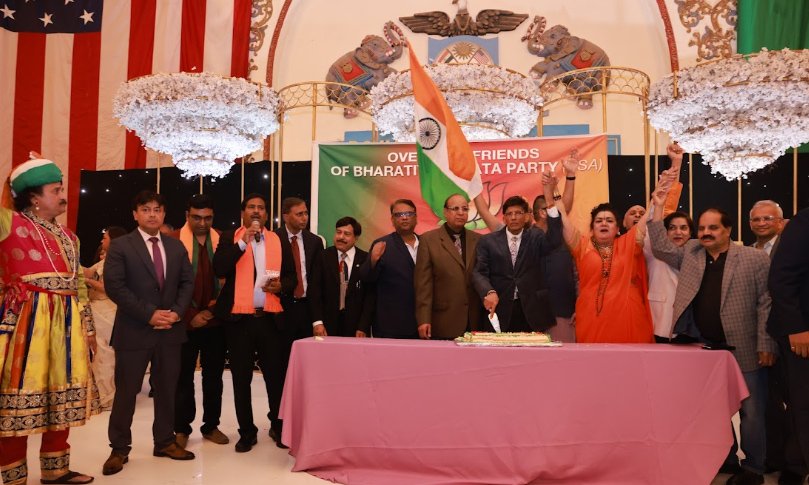

Think Change Forum Urges Immediate ‘Economic Ringfence’ to Protect India From West Asia Crisis

- Published By: techteam
- May 27, 2026 / 10:48 AM IST


NEW DELHI : Amid escalating geopolitical tensions in West Asia, economic experts and former policymakers are urging the Indian government to deploy a decisive “selective economic doctrine.” Speaking at a roundtable organized by the Think Change Forum (TCF) at the India International Centre, panelists warned that India must move away from reactive fiscal subsidies and establish structural safeguards to protect its macroeconomic stability and conserve foreign exchange.
The consensus follows the tabling of TCF’s latest white paper, titled “Economic Ringfence Amid the West Asia Crisis: A Three-Point Agenda for Export Competitiveness, Import Discipline and Trade Defence.” The paper notes a stark reality: India’s merchandise imports climbed to $774.98 billion in FY2025-26 against exports of $441.78 billion, leaving a massive trade deficit exceeding $333 billion.
The Three-Point Policy Agenda:
To fortify the economy against external disruptions—including crude oil volatility, freight spikes, and supply chain bottlenecks the white paper outlines three critical interventions.
1. Enforcing Calibrated Import Discipline:
Panelists highlighted a troubling reliance on non-essential and luxury imports despite robust domestic manufacturing ecosystems. To counter this, experts called for a temporary shift of luxury, discretionary, and “demerit” goods from the Open General Licence (OGL) framework to restricted licensing channels.
A prime example cited was the millions of dollars flowing out for everyday consumer goods. Despite strong domestic FMCG and processing capabilities, India imported nearly $393 million worth of beauty and personal care products, $135.9 million in chocolates and cocoa preparations, and $81.7 million in bakers’ wares. Furthermore, imports of demerit goods like cigarettes, cigars, and tobacco substitutes crossed $116 million even though India is already one of the world’s largest tobacco producers.
“Unrestricted imports of low-value-addition discretionary products create avoidable pressure on foreign exchange reserves,” the panel observed, noting that consumers should be encouraged to defer luxury purchases, like premium cars and watches, during global crises.
2. Structural Tax Moderation & Correcting Inverted Duties:
The forum argued that India’s domestic manufacturing is being penalized by “inverted duty structures” where raw inputs are taxed higher than the imported finished products. TCF has called for an urgent 12-month correction program across several vulnerable sectors:
Electronics: Printed Circuit Board (PCB) components face duties of 10–15%, while finished electronics enter at 0% under the ITA-1 agreement.
Specialty Chemicals: Precursors face input duties of 7.5–10%, while finished imported chemicals attract only 5–7.5%.
Textiles: Specialty synthetic fibers are taxed at 6–12%, outstripping the ~5% duty on imported finished garments.
To alleviate fuel-driven inflation without blowing out the fiscal deficit, the paper proposes a dynamic tariff calibration framework for crude oil, steel, and fertilizer feedstocks using a 90-day review cycle with pre-announced price triggers. It also advocates for a ring-fenced Input Tax Credit (ITC) refund mechanism for natural gas until petroleum is fully integrated into the GST framework.
3. Reversing the Collapse in Trade Defence:
The most alarming trend highlighted was the systemic delays and rejections in India’s anti-dumping ecosystem, leaving domestic steel, chemical, and pharma sectors highly vulnerable to foreign predatory dumping.
To counter this, experts are demanding a strict “comply-or-explain” mechanism that requires immediate enforcement and time-bound accountability whenever a DGTR investigation confirms injury to Indian manufacturers.
Moving Beyond Subsidies:
The overarching sentiment of the roundtable was that India must convert external vulnerabilities into an internal catalyst for growth, echoing the Prime Minister’s recent appeal to reduce non-essential imports voluntarily.
“One of the biggest hidden costs for Indian businesses today is compliance volatility,” stated Rajat Mohan, Managing Partner at AMRG Global, adding that stabilizing administration is its own form of stimulus. Former CBDT Member Akhilesh Ranjan added that tax policy must transition into an active tool for localized innovation rather than just a revenue collector, ensuring domestic brands achieve the same aspirational premium as imported alternatives.
Related News
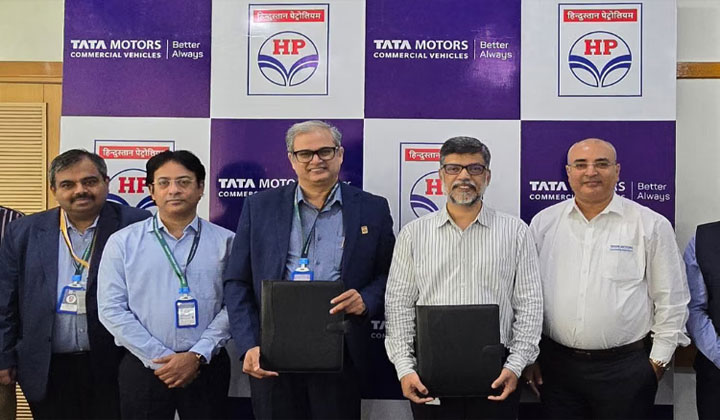
HPCL and Tata Motors Partner to Launch India’s First Scalable Circular Economy Model for Recycling Used Lubricants
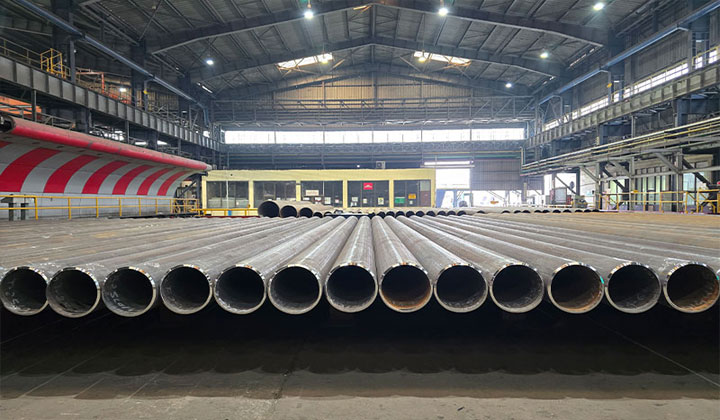
AM/NS India Becomes World’s First Steelmaker to Produce Ultra-High Strength Welded Pipes for Offshore Marine Engineering

Marico Enters Hair Cleansing Segment with Parachute Advansed Protein Shampoo
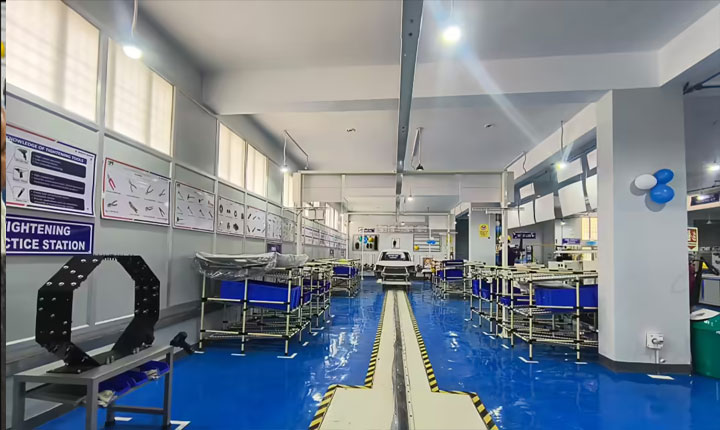
Driving the Future – Maruti Suzuki Unveils Advanced Manufacturing Lab to Champion India’s Skill Mission

BluJ Aerospace Unveils Gen #2 Aircraft, Validating India’s First Platform-Based eVTOL Architecture