
India’s Pharma Supply Chain Still 65% Dependent On Chinese Imports, NITI Aayog Finds
- Published By: Phanindra
- June 27, 2026 / 08:29 AM IST


India’s trade numbers are sending mixed signals, according to NITI Aayog’s latest Trade Watch Quarterly report. Total trade grew 5.4% to $1.84 trillion (Rs 174.3 lakh crore) in the January-March quarter, but imports are growing faster than exports, a trend the report flags as a concern. Exports rose 4.2% during the quarter, while imports climbed 6.5%. The gap was sharper in goods specifically: merchandise exports fell 2.8% even as merchandise imports rose 11.9%.
IT Services Cushion The Blow
Services exports offered some relief, growing 9% on the back of IT and digital services. That surplus in services helped keep the overall trade deficit contained at $23.15 billion (Rs 2.19 lakh crore). The manufacturing sector is under real pressure. Goods exports fell to $112 billion (Rs 10.62 lakh crore), while goods imports rose to $195.5 billion (Rs 18.51 lakh crore). IT and digital services stepped in to offset this gap, with services exports reaching $111 billion (Rs 10.51 lakh crore) and producing a surplus of $60.4 billion (Rs 5.72 lakh crore). That services strength is the reason the report cites for keeping the overall trade deficit limited to $23.15 billion.
NITI Aayog noted that domestic production isn’t keeping pace with global market demand, meaning India’s reliance on foreign goods is continuing rather than easing.
Gold Imports Surge
On the exports side, iron and steel shipments rose 18.4% and automobile exports rose 14.2%. But gems and jewellery exports fell due to global tensions. On the imports side, gold and silver imports jumped a sharp 82%, while fuel imports fell 11%.
China Dependence Undercuts Pharma Strength
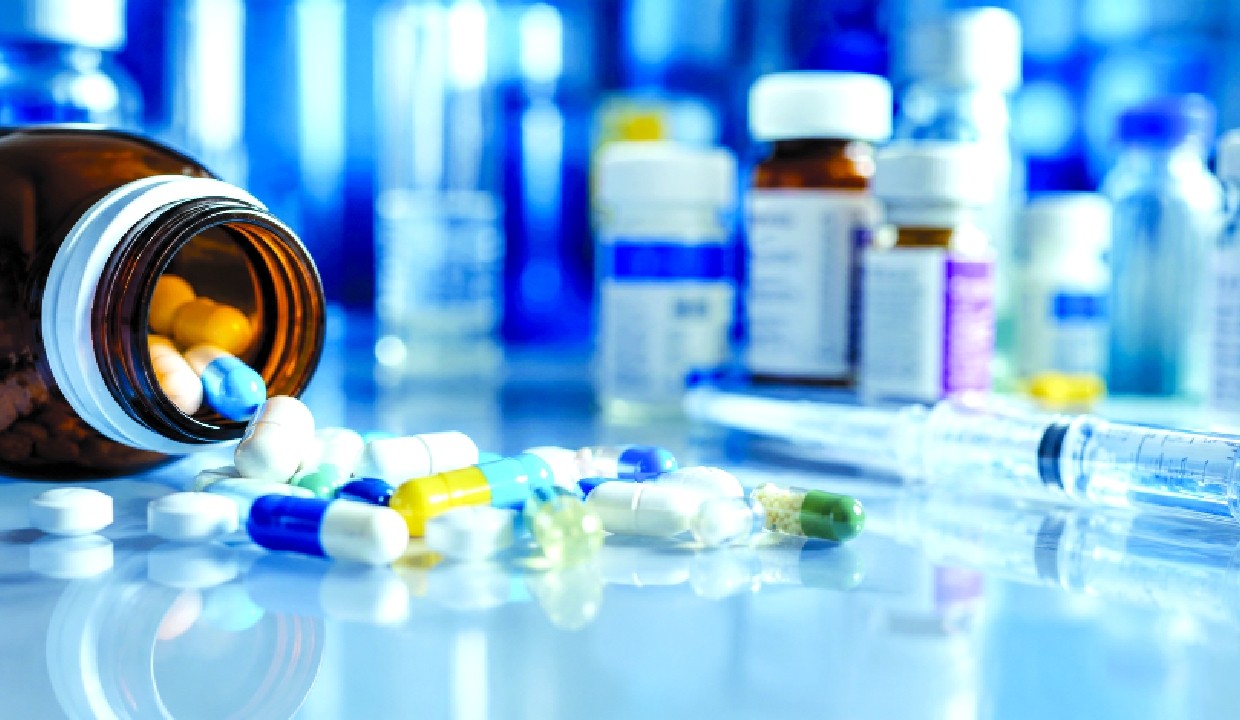
India has built a reputation as the “pharmacy of the world” for supplying generic medicines globally, and the report notes the country supplies 50% of Africa’s medicine needs. But that strength comes with a structural weakness: India holds just a 0.6% share in high-value segments like vaccines and advanced therapies, the categories that command the highest prices. The core problem is supply-chain dependence. India still relies on China for 65% of the active pharmaceutical ingredients (APIs) needed to manufacture medicines.
What NITI Aayog Recommends
To tap into the $1.3 trillion (Rs 123.13 lakh crore) global pharma opportunity, the report argues that simply increasing the volume of medicines produced won’t be enough. NITI Aayog recommends that India raise its current R&D spending of 7% and push into tech-driven, high-value branded products instead.
Related News

Stars Unite in Mumbai for The Earthshot Prize 2026 Awards Night Prime Video Named Exclusive Streaming Partner

HCCB-Backed Archer Ganesh Mani Ratnam Thirumuru Wins Gold and Bronze at 20th Asian Games

Ultraviolette Expands Retail Footprint with New UV Space Station in Anantapur

Amazon Expands Ultra-Fast Delivery Service ‘Amazon Now’ to Over 120 Cities Across India

GREW Solar Announces Channel Partnership with Energy Cubez in Kerala