
India Must Brace for Frequent Geopolitical Shocks Neelkanth Mishra
- Published By: Tech Team
- April 28, 2026 / 07:55 PM IST


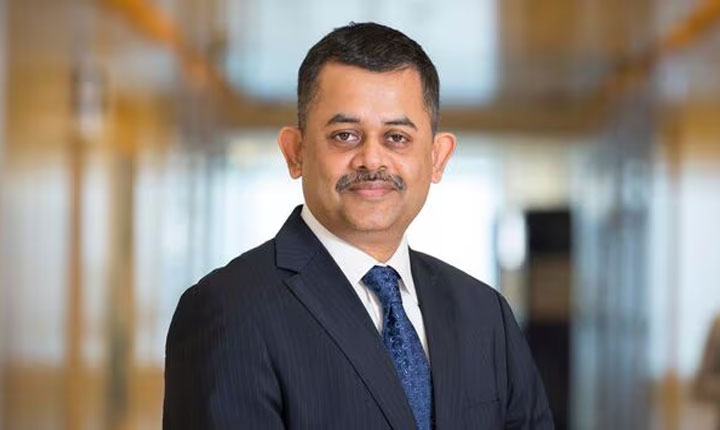
MUMBAI: India must adapt to a global landscape where geopolitical shocks occur every 18 to 24 months, treating volatility as a permanent feature rather than a passing phase. This was the central message from Neelkanth Mishra, Chief Economist at Axis Bank, during an exclusive session of Kotak Private Banking’s Take and Counter Take (TACT) forum.
Addressing a high-level audience, Mishra argued that the current de-escalation between global powers is merely a temporary pause in a broader, long-term struggle between the United States and China. He urged policymakers to utilize this window of relative calm to push through “hard decisions” that would insulate the nation from future shocks.
The Macro Impact of Supply Chain Warfare:
Mishra shifted the focus from sensationalist headlines to the “second-order effects” of modern conflict. He warned that the true damage of global instability lies in the quiet strangulation of supply chains.
Energy and GDP: Mishra noted that a 4% disruption in global energy flows effectively removes 4% of global GDP.
Sectoral Vulnerability: Logistics, aviation, chemicals, and fertilizers remain highly susceptible to production stalls far removed from actual battlefields.
A Stronger Foundation than 1989:
Drawing a historical parallel to the turbulent period of 1989–93, Mishra noted that while the external environment feels similarly volatile, India is significantly better equipped today. He cited deeper capital markets, robust external balances, and heightened policy credibility as the buffers that distinguish India’s current standing from its past vulnerabilities.
Strategic Priorities for Decisive Reform:
The economist laid out a clear roadmap for building domestic resilience that is insulated from global friction:
Accelerated Electrification: To reduce India’s disproportionate exposure to oil and gas shocks, Mishra advocated for shifting more end-use energy consumption to electric power.
Urban Infrastructure and Housing: Decisive policy moves in these sectors would create a steady stream of domestic demand independent of global trade cycles.
Tourism Reform: Criticizing India for having some of the world’s most expensive tourism due to restrictive zoning, Mishra called for relaxing Hotel FSI (Floor Space Index) to lower costs and boost large-scale employment.
The Window of Opportunity:
The session, which also featured Major Gaurav Arya on security risks and was moderated by Nilesh Shah of Kotak Asset Management, concluded with a call to action. Mishra warned against waiting for a “perfect” moment of stability to act.
“It’s only when our backs are to the wall that we take tough decisions,” Mishra remarked. “This phase will pass. The question is whether we use it to emerge stronger or simply wait for the next disruption.”
By hard-wiring resilience into the economy now, Mishra believes India can turn structural volatility into a competitive advantage, emerging as a stable pillar in an increasingly unpredictable world.
Related News

Keystone STEM Alliance: A Youth-Led Model Transforming STEM Education and Community Engagement

Blueband Sports Rally of Coimbatore Set to Host Round 2 of INRC 2026 with 64 Cars on the Grid

Thanks To Telugu Audience for Making Mandaadi a Blockbuster: Soori

Govt. of West Bengal participates in Walmart Vriddhi MSME Connect 2026 in Kolkata

Retired Air Marshal Jitendra Mishra Appointed as New CEO of Ayodhya Trust