

Global Financial Boost, Digital Regulations, and Historic Indian Policy Realignments

- Published By: techteam
- June 20, 2026 / 11:35 AM IST


A powerful series of macroeconomic milestones, strict regulatory rulings, and landmark judicial mandates have reshaped India’s corporate, judicial, and infrastructural landscape over the past week.
Macroeconomic Expansion and Strategic Trade Partnerships
World Bank Approves $1.5 Billion to Fuel Job Creation in India
The World Bank Group’s Board of Executive Directors has officially approved $1.5 billion in fresh development policy financing to accelerate structural reforms, boost economic growth, and drive private-sector job creation across India. The funding is targeted to support 11 million youth entering the labor market annually over the next two decades. The operation aims to reduce corporate regulatory burdens, simplify tax systems, and enhance credit accessibility for micro, small, and medium enterprises (MSMEs), with a direct focus on empowering underserved rural businesses and women-owned startups.
PM Modi Concludes High-Profile Foreign Direct Investment Tour to Europe
Prime Minister Narendra Modi successfully concluded a five-day state visit to France and Slovakia aimed at securing multi-sector foreign direct investment (FDI) and deepening technical integration. High-level trade negotiations focused heavily on expanding defense co-production, securing clean energy hardware supply chains, and setting streamlined terms for upcoming comprehensive free trade agreements (FTAs) to build long-term economic resilience.
Commerce Ministry Accelerates Execution of Multi-Nation Free Trade Deals
The Ministry of Commerce and Industry announced that India remains solidly positioned to serve as the world’s fastest-growing major economy for the next two decades. Union Minister Piyush Goyal confirmed that following the successful enforcement of the Oman Free Trade Agreement, the government will implement two to three more high-stakes bilateral trade frameworks within the next six months to boost manufacturing exports and global market integration.
Digital Regulation, Market Records, and Fiscal Dynamics
High Court Rejects Telegram’s Appeal; Confirms Temporary National Ban
The Delhi High Court has formally dismissed an emergency petition filed by Telegram, firmly upholding the Central Government’s executive order to enforce a temporary national block on the messaging application until June 22. Vacation judge Justice Tejas Karia ruled that the proactive security measure, invoked under Section 69A of the IT Act, was entirely proportionate and legally justified to protect public interest, counter illicit networks, and guarantee the absolute integrity of the upcoming NEET-UG competitive re-examination scheduled for June 21.
Domestic Gold Imports Collapse Following Higher Tariffs; Rupee Strengthens
India’s physical gold imports dropped significantly to 25–30 metric tonnes monthly, down from baseline levels of 75–100 metric tonnes, following a targeted increase in federal import duties. Concurrently, the Indian Rupee surged to a six-week high, trading at 94.2 against the US Dollar (USD), heavily supported by sustained capital inflows into domestic equity markets and the closing of speculative long-dollar currency contracts.
Nifty and Bank Nifty Hit Historic Highs on Institutional Buying
Benchmark indices extended their winning streak into a consecutive fifth session, with the Nifty 50 closing at an all-time record high of 24,168.00. Financial markets witnessed intense accumulation, propelled by a major 378-point rally in Bank Nifty, which eventually settled at 57,963.80. Institutional analysts noted that robust market breadth and aggressive buying across private banking heavyweights completely countered global rate anxieties.
SEBI Reintroduces Open-Market Share Buybacks to Support Corporate Liquidity
The Securities and Exchange Board of India (SEBI) board voted to reintroduce the open-market buyback mechanism for listed corporate entities. The decision reverses prior restrictive rollouts and is intended to provide capital flexibility for large-cap firms seeking to manage excess cash positions, optimize equity structures, and support market valuations during periods of macro volatility.
Landmark Judicial Judgments and Institutional Upgrades
Supreme Court Rules Walking a Fundamental Right, Demands Safer Pedestrian Infrastructure
In a historic landmark judgment, the Supreme Court of India declared the freedom to walk on well-maintained, clearly demarcated footpaths a constitutionally protected fundamental right under Article 21. The apex court held that municipal and state bodies have an enforceable legal duty to prioritize citizen walking spaces over motorized vehicle traffic, ordering the immediate formulation of sweeping infrastructure guidelines across major metropolitan centers.
Supreme Court Directs Creation of Emergency Support Funds for Young Litigators
Flagging severe concerns over an accelerating “brain drain” within the Indian legal system, the Supreme Court directed all state bar councils to immediately establish a dedicated “Young Lawyers’ Professional Assistance Fund”. The bench noted that severe financial hardships in initial years force talented, first-generation advocates to abandon active litigation, threatening the long-term diversity and equity of the legal framework.
Home Ministry Targets Artificial Intelligence Integration for Police Investigations
Union Home Minister Amit Shah has directed judicial and enforcement authorities to achieve absolute justice delivery timelines within the next three years. To support this directive, the Home Ministry is mandating the nationwide integration of cutting-edge artificial intelligence layers into forensic analyses, police evidence charting, and automated criminal investigation protocols to clear historic case backlogs and modernize police infrastructure.
Related News
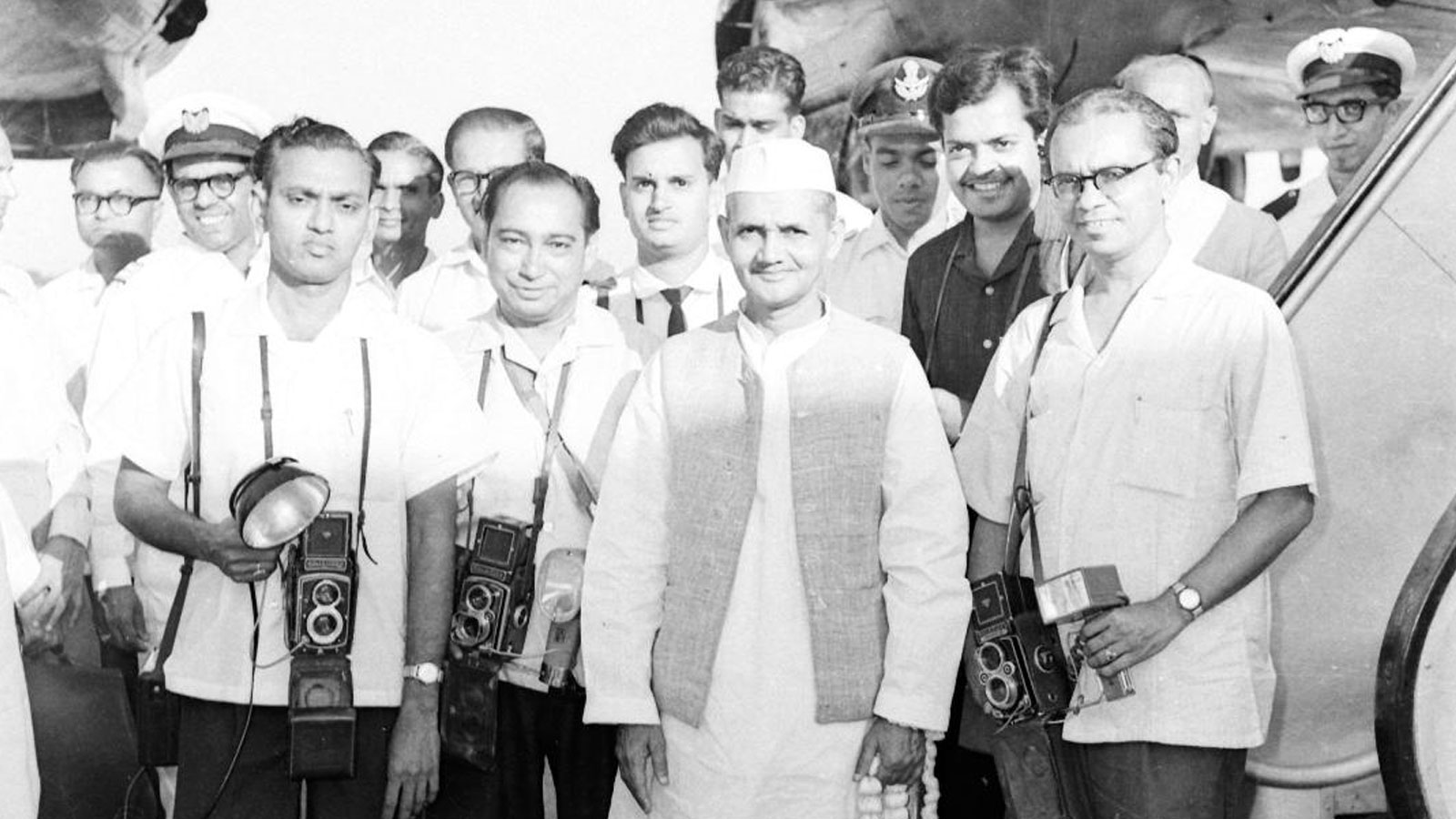
When America Tried To Starve India… Shastri Turned Hunger Into A Revolution

Courtroom Queen Sana Raees Khan Becomes a Boss in Cricket
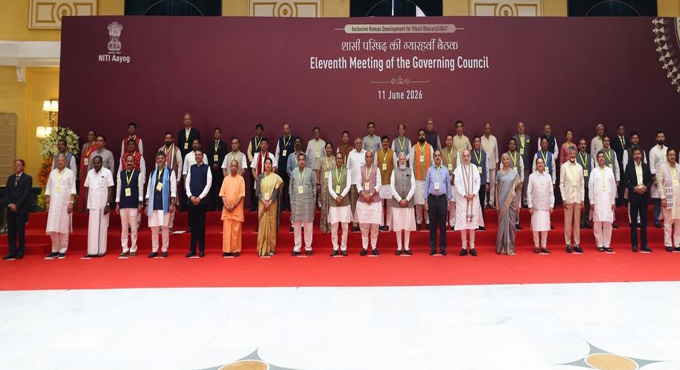
Andhra Pradesh Presents Swarna Andhra @2047 Vision at NITI Aayog Governing Council
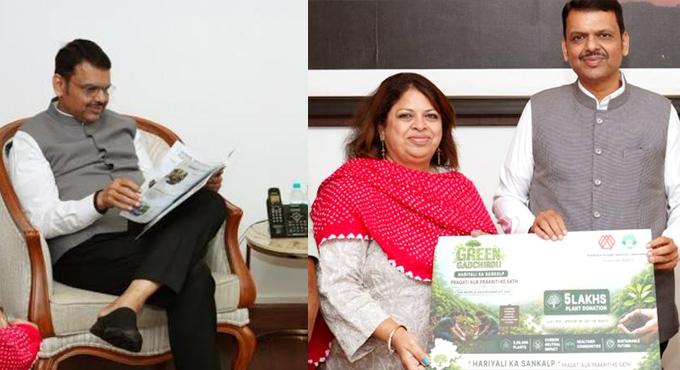
5 Lakh Saplings to Transform Gadchiroli’s Future
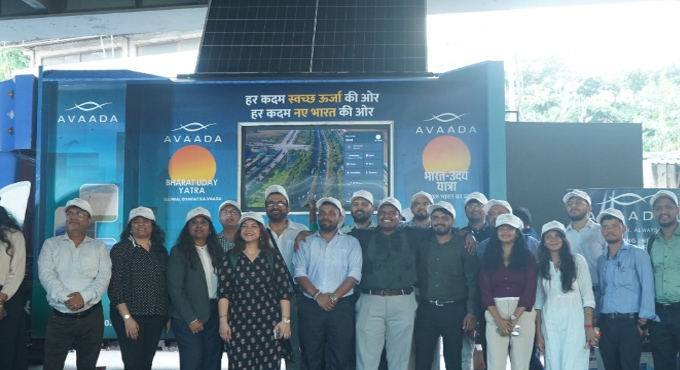
Avaada Bharat Uday Yatra Echoes the Message of Green Energy Across Mumbai