
When America Tried To Starve India… Shastri Turned Hunger Into A Revolution
- Published By: techteam
- June 19, 2026 / 04:23 PM IST


“If you do not stop the war with Pakistan, we will halt your food grain supplies!”
This was the chilling blackmail delivered directly to India by United States President Lyndon B. Johnson in 1965.
India was at its most vulnerable. The scars of the 1962 war with China had not yet healed. Monsoons had failed, food grain prices had skyrocketed by 22 percent, and the nation’s granaries were emptying fast. Millions relied on American wheat imported under the PL-480 scheme to survive.
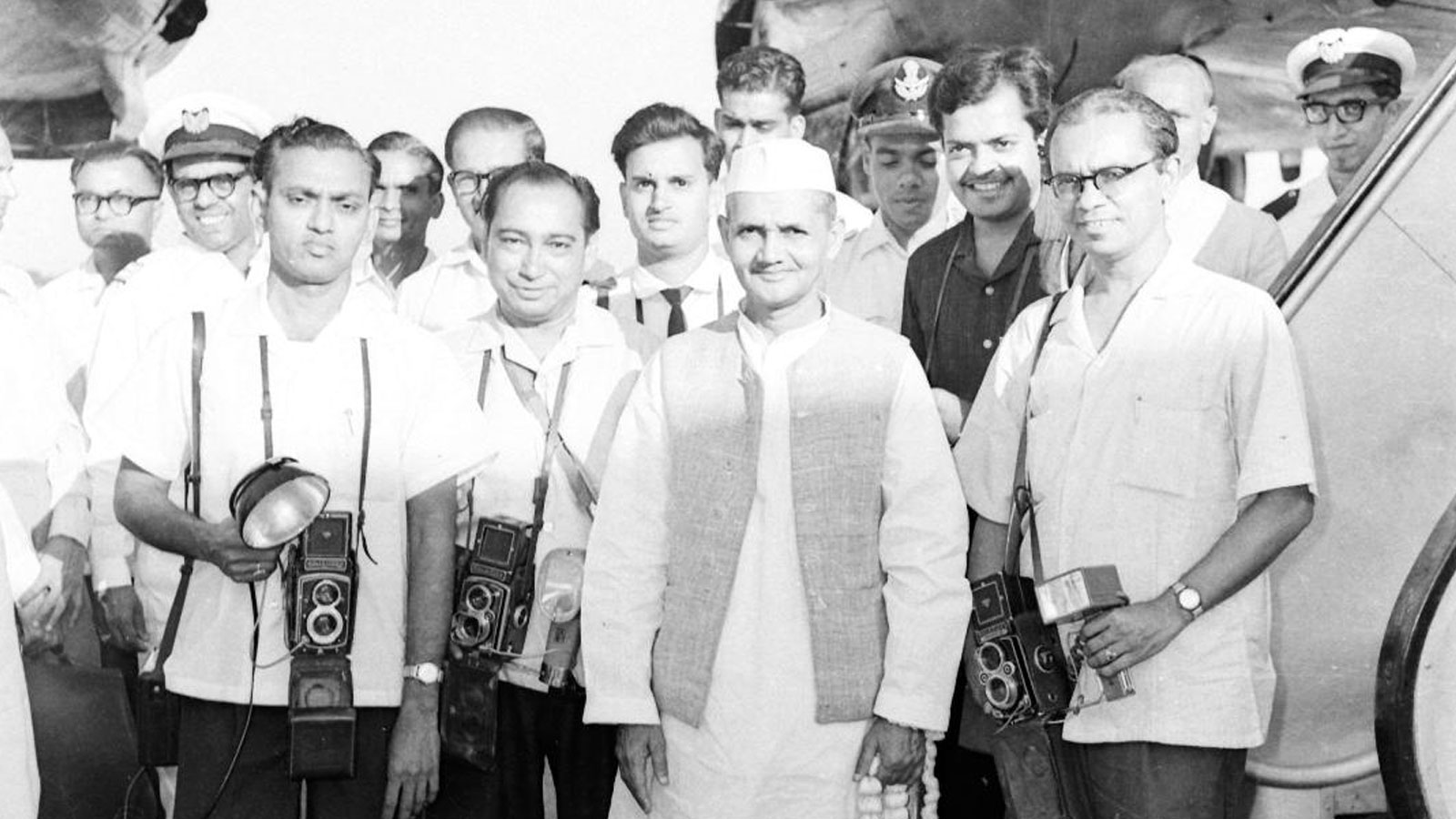
But how did India’s second Prime Minister, Lal Bahadur Shastri, respond to this superpower’s threat? He didn’t bow, he didn’t beg, and he didn’t use missiles or artillery. Instead, he conducted a quiet experiment with hunger inside his own home that fundamentally altered the course of global history.
Leading by Absolute Example
There are many leaders who make grand speeches, promise the moon, and urge their citizens to make sacrifices for the motherland. But Shastri belonged to a rare breed who asked himself: “How can I ask my people to do something that I am not doing myself?”
Faced with the American threat, Shastri did not react with immediate public rhetoric. Instead, he walked into his home and told his wife, Lalita Shastri: “Do not cook dinner tonight. I want to see if my own children can withstand the pangs of hunger for a single meal. Only if my family can endure it do I have the moral right to ask my country to skip a meal.”
Once he knew his family could handle the sacrifice, he addressed the nation over All India Radio. He made a singular, heartfelt appeal: Skip one meal a week—specifically Monday dinner. He explained that the food saved would feed those who had nothing, while fostering national self-control and self-reliance.
The Birth of ‘Shastri Vratam’
What happened next was nothing short of a miracle. The country did not just listen; it obeyed with absolute devotion.
Every Monday evening, a strange silence fell across India. Hotels and restaurants voluntarily pulled down their shutters. Kitchen fires in millions of homes remained unlit. This collective act of fasting became etched into the cultural fabric as “Shastri Vratam” (Shastri’s Fasting).
During a recent address at an agricultural university, prominent political analyst Undavalli Arun Kumar vividly recalled those days from his childhood:
“The Prime Minister’s call sparked an unprecedented revolution. People didn’t fast out of fear of authority; they did it out of sheer respect for an honest man’s heart. Even today, if you see older generations fasting on Mondays, many assume it’s for religious reasons. In reality, a large number are ‘Shastri Bhaktas’ who have carried forward the tradition of that historic call across generations.”
From Geopolitics to Self-Sufficiency
This profound crisis birthed the iconic slogan that shook the soul of modern India: “Jai Jawan, Jai Kisan” (Hail the Soldier, Hail the Farmer). Shastri aligned the bravery of the soldier guarding the borders with the sweat of the farmer tilling the land. This shift in national psychology laid the concrete groundwork for the Green Revolution and the White Revolution. India transformed from a nation surviving on foreign food aid to a self-sufficient, food-exporting global powerhouse.
A Legacy Written in Values, Not Wealth
Shastri was a pioneer of progressive governance. As Transport Minister, he was the first to introduce female conductors in public transit, and as Home Minister, he ordered police to use water jets instead of batons for crowd control.
Yet, despite holding the highest offices in the land, when he tragically passed away in Tashkent in 1966, he did not own a single cent of land or his own house. He passed away with a pending bank loan for a modest Fiat car, which his widow later repaid from her pension.
Six decades have flown by, but the name Lal Bahadur Shastri still commands an immediate, involuntary bow of respect. His life proves a timeless truth: some leaders are remembered for their grand victories, but the greatest are immortalized by their flawless values.
Related News

Courtroom Queen Sana Raees Khan Becomes a Boss in Cricket
Andhra Pradesh Presents Swarna Andhra @2047 Vision at NITI Aayog Governing Council
5 Lakh Saplings to Transform Gadchiroli’s Future
Avaada Bharat Uday Yatra Echoes the Message of Green Energy Across Mumbai

Corteva Launches Mavilon™ to Revolutionize Rice Pest Management in India