
A new history in the space sector.. “Vikram-1” launch success.. Here are the specialties…
- Published By: Tech Team
- July 18, 2026 / 02:06 PM IST


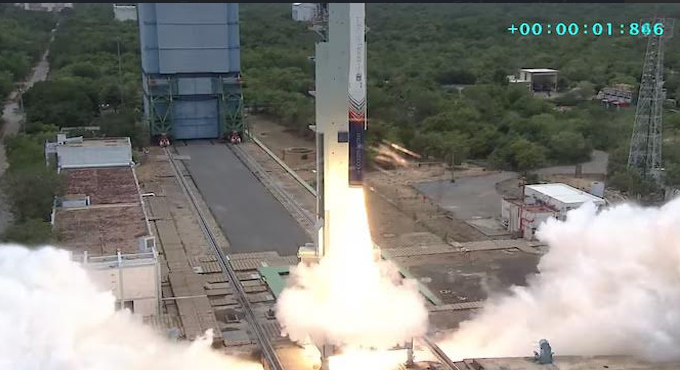
A new chapter has begun in the Indian space sector. The first orbital-class rocket “Vikram-1”, developed with completely indigenous technology by the prominent space tech startup “Skyroot Aerospace”, soared into the sky on Saturday. This launch was undertaken at 12:05 PM from the launch pad at the Satish Dhawan Space Centre in Sriharikota and was successful. The satellites inside it were placed into the designated orbit.
Actually, the launch was supposed to take place at 11:30 AM. A technical snag occurred. With this, it was temporarily halted, and scientists conducted an inspection. They identified a defect in the fueling process and rectified it. After that, exactly 35 minutes later, the rocket was launched, and after 20 minutes, the rocket reached the designated orbit.
Under the name “Mission Aagaman”
Skyroot undertook this launch under the name Mission Aagaman. This name was given to this mission to mark the entry of the Indian private space sector into the era of orbital launches. Through this launch, they will test the performance of the propulsion, stage separation, guidance, navigation, and control systems inside the rocket during spaceflight, thereby gathering crucial data. With this, Skyroot is stepping forward with the goal of further improving its technical capabilities for commercial launch requirements in the coming times.
Furthermore.. Built to the height of about a seven-story building, Vikram-1 is fabricated completely with a carbon composite structure. Powered by indigenously developed 3D-printed engines and solid fuel boosters, this rocket has the capacity to place small satellites weighing up to 350 kg into a Low Earth Orbit (LEO) at an altitude of 450 kilometers.
Related News

Go Spiritual Calls for Making Mental Wellbeing a Family Priority on World Mental Health Day

JK Tyre Rally of Himalayas 2026 Concludes with a Display of Grit, Speed and Himalayan Endurance
Sri City MD Delivers Keynote Address at CII’s Namaste Asia Summit
GOPIO Announces 2026 Biennial Convention and Conference in Mumbai
Tamil Nadu Student Innovators Harness AI and Wearable Tech for Social Impact