

FSSAI CEO Rajit Punhani Highlights Preventive Healthcare and Nutrition at ‘Illness to Wellness’ Conference
- Published By: Vishal
- September 3, 2026 / 05:54 PM IST


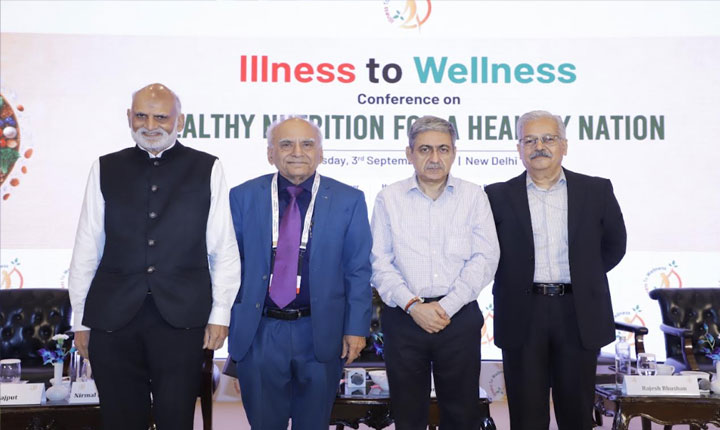
India’s growing emphasis on preventive healthcare places nutrition and food safety at the center of efforts to help citizens stay healthy and reduce the long-term burden of disease, according to Shri Rajit Punhani, Chief Executive Officer of the Food Safety and Standards Authority of India (FSSAI). Speaking at the ‘Illness to Wellness’ Conference on Healthy Nutrition for a Healthy Nation in New Delhi on September 3, 2026, Shri Punhani highlighted the Authority’s strategy to combine food-safety regulations with consumer education and behavioral nudges. He noted that while ensuring food safety, wholesomeness, and compliance remains FSSAI’s fundamental duty, empowering consumers with proper information for informed choices is equally crucial. Initiatives such as Eat Right School, Eat Right Campus, Eat Right Thali, and consumer awareness campaigns utilize education and behavioral nudges to weave nutrition awareness into everyday life. Achieving this requires collective action from the government, healthcare, academia, civil society, industry, and consumers to make healthy choices accessible, affordable, and convenient.
Multi-Stakeholder Insights and Collaboration:
Organized by the Illness to Wellness Foundation, the conference brought together policymakers, healthcare professionals, nutrition experts, educators, and representatives from industry and civil society to strengthen nutrition awareness, food safety, and community-level action.
Foundational Nutrition and Balanced Diets: Mr. Anil Rajput, Chairperson of the Advisory Council for the Illness to Wellness Foundation, stressed that nutritional security goes beyond mere food availability to ensure access to safe, affordable, and diverse food that suits varying regional and individual requirements for salt, sugar, and fat. He advocated for awareness based on science, balance, moderation, and shared responsibility.
Life-Cycle Approach: Delivering the keynote address, Mr. Rajesh Bhushan, Former Secretary of the Ministry of Health & Family Welfare and Chairperson of the Governing Council of the Illness to Wellness Foundation, emphasized a life-cycle approach starting from pregnancy, through the first 1,000 days, early childhood, school years, and into adulthood. He underscored the priority of effective implementation and practical behavioral tools via frontline workers, Anganwadis, and schools.
Grassroots Implementation: Dr. Zoya Ali Rizvi, Deputy Commissioner under the National Health Mission, noted that 10.5 lakh ASHAs and Anganwadi workers form the backbone of translating grassroots community needs into meaningful action.
Combating Malnutrition and Tuberculosis: Dr. Sanjay Kumar Mattoo, Joint Commissioner & Additional Deputy Director General at the Central TB Division, highlighted that malnutrition remains a major societal challenge tightly linked to the fight against tuberculosis, requiring a multi-stakeholder collaborative defense.
Focused Conference Sessions:
The conference featured three dedicated sessions addressing critical public health linkages:
Poshan Jan Andolan: Focused on translating awareness into sustained action concerning breastfeeding, complementary feeding, micronutrient deficiencies, and balanced diets for women, children, and families.
Healthy Schools, Healthy Children: Examined safe and nutritious food environments for children, covering school canteens, hygiene practices, and the role of parents.
Nourishing Health, Ending Disease: Addressed the interrelations between malnutrition, anaemia, and tuberculosis, emphasizing early identification, nutritional support for TB patients, and improved access to iron, folic acid, and protein-rich foods.
The event concluded with a strong call for ongoing collaboration among all sectors of society to secure a healthier nation.
Related News

Ai+ Smartphone Rolls Out Nxt Quantum OS v1.1 Featuring Advanced Privacy and Sovereign Data Controls

Mirzapur Stars Crash Amazon’s Annual Meeting in Hyderabad for a Blockbuster Surprise

KFintech Unveils ARYA: A Next-Generation Conversational Intelligence & Investor Servicing Platform for Mutual Funds
Fitistan Announces Federal Bank Gunners Soldierathon Hyderabad to Commemorate 200 Years of the Regiment of Artillery

Berger Paints Crosses ₹1,500 Crore Mark in Construction Chemicals, Outpacing Industry Growth