

Decoding Tea Adulteration and What Every Consumer Should Know
- Published By: techteam
- June 2, 2026 / 08:40 PM IST


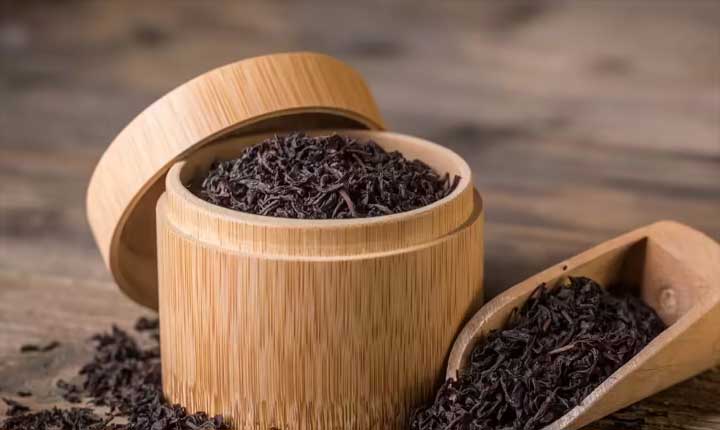
Tea Adulteration: Tea is a daily staple for millions, providing comfort and tradition in every cup. However, beneath its familiar aroma lies a hidden threat: the growing issue of loose tea adulteration. To increase profits, unverified vendors often introduce unauthorized foreign substances to boost the weight, flavor, or visual appeal of inferior tea leaves. According to the Food Safety and Standards Authority of India (FSSAI) Regulation 2.10.1, all commercial tea products must remain entirely free from extraneous materials, added colors, and toxic substances. Recognizing how these products are manipulated is the first step toward safeguarding family health.
Why Artificial Colors Are Added to Tea Leaves:
The Tea Board of India has highlighted that coloring agents are primarily added to mask crop damage or hide the use of exhausted, pre-brewed leaves. Chemical dyes like bismarck brown, potassium blue, indigo, and plumbago are frequently used to make low-quality dust look like premium, fresh black tea. While these chemical compounds dramatically alter the cosmetic appearance of the leaves to make them marketable, they add absolutely zero nutritional value and present serious, long-term health hazards to unsuspecting consumers.
Simple At-Home Tests to Identify Genuine Tea:
Consumers can protect themselves by adopting easy kitchen tests recommended by food safety experts. The most effective method is the cold-water test, where you sprinkle tea leaves into a glass of cold water; genuine tea releases its color gradually as it brews, whereas artificially dyed tea will instantly bleed dark streaks into the water. Another approach is the filter paper test, which involves pressing damp tea leaves onto a white paper towel. If the paper displays instant, heavy yellow or red staining after the leaves are removed, it indicates the presence of artificial colorants. Finally, running a magnet through dry loose tea can easily detect dangerous iron filings left behind by poorly maintained processing machinery.
Choosing Packaged Tea Over Loose, Unverified Alternatives:
To minimize the risks associated with food fraud, regulatory bodies strongly advise consumers to reconsider how they shop for their monthly groceries. Loose tea sold through unverified channels or open-air local markets heavily lacks traceability and is highly susceptible to contamination. In contrast, packaged tea from reputable brands undergoes standardized manufacturing, strict quality control testing, and rigorous regulatory compliance. Investing in sealed, branded packaging that clearly displays an FSSAI license ensures greater authenticity, safety, and peace of mind with every brew.
Related News

Dengue Preparedness in Hyderabad Why Early Testing Matters as the City Enters Dengue Season

SVICCAR Expands Care Ecosystem to Tackle Rising Cancer Cases in Tirupati

How to Live: The Art of Integrating Freedom and Surrender

A Boy. A Dream. And Thousand Plus Acres of Forest
Daily Almond Consumption Boosts Brain and Metabolic Health in Adults with Prediabetes