
Decoding the Trump Market Strategy Behind the Volatility
- Published By: Tech Team
- March 27, 2026 / 11:00 AM IST


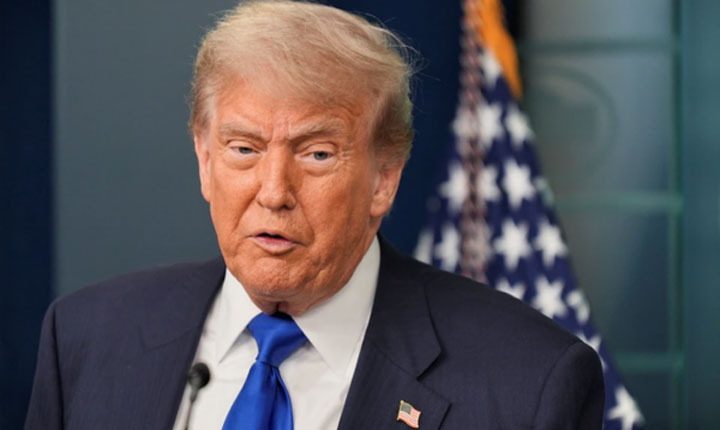
Trump Market:Whether viewed with admiration or apprehension, Donald Trump’s influence on global financial markets has solidified his position as a primary driver of economic movement. Last year’s “Liberation Day” trade announcements triggered a 20% market correction, while recent shifts in Iran war plans caused a 6% surge in a single day.
Since the outbreak of the conflict with Iran nearly a month ago, US markets have been dictated less by traditional macroeconomic data and more by presidential social media posts. With intraday swings reaching up to 15%, investors are finding that understanding the “Trump Market” requires a deep dive into the patterns of the President himself.
The New Market Playbook: Lessons from Trump’s Ten Commandments
In the new book Trump’s Ten Commandments, authors Jeffrey Sonnenfeld and Steven Tian outline the foundational patterns underlying these actions. Here are three critical lessons for navigating this volatile era:
1. The Stock Market as the Ultimate Scorecard:
For Trump, financial markets serve as a real-time report card on his leadership. While he may dismiss the concerns of pundits or foreign allies, the market is a “tripwire” he rarely ignores. This has led to the rise of the “TACO Trade” (Trump Always Chickens Out)—the observation that whenever the market reacts violently to an overstep, a strategic reversal often follows.
The Cycle: Once markets are calmed by a reversal, Trump frequently “nudges” back toward his original position until hitting a new breaking point.
Strategic Timing: High-stakes military or trade moves are often timed for late Friday or early Saturday when markets are closed, followed by de-escalatory rhetoric before the Monday opening bell.
2. Fluidity as a Strategic Asset:
Trump’s reversals are often mistaken for inconsistency, but they are frequently calculated. By maintaining a state of “strategic ambiguity,” he keeps all options on the table, forcing opponents to react to him rather than the other way around.
This pragmatism allows for unexpected alliances, such as his recent collaboration with longtime critics to cap credit card interest rates. In the context of the Iran conflict, alternating between “war is over” rhetoric and dramatic escalation allows him to control the escalation ladder while maintaining public support.
3. The Power of Maximal Aggression:
Contrary to traditional negotiation theories that emphasize trust-building, Trump’s preferred opening move is often maximal aggression. By escalating a situation to inflict significant pressure, he creates leverage intended to bring opponents to a state of near-mercy before a deal is struck.
With fresh US forces currently deploying to the Middle East, the “peace talk” rhetoric of today may simply be a precursor to further escalation. If the balance of power shifts in his favor by the end of the week, the possibility of seizing strategic assets—like Iran’s oil facilities on Kharg Island—remains a distinct possibility.
Related News

Top 6 Stays in Dubai for Your Next Workation

SriLankan Airlines Restores Complete Middle East Network With Kuwait Service Resumption
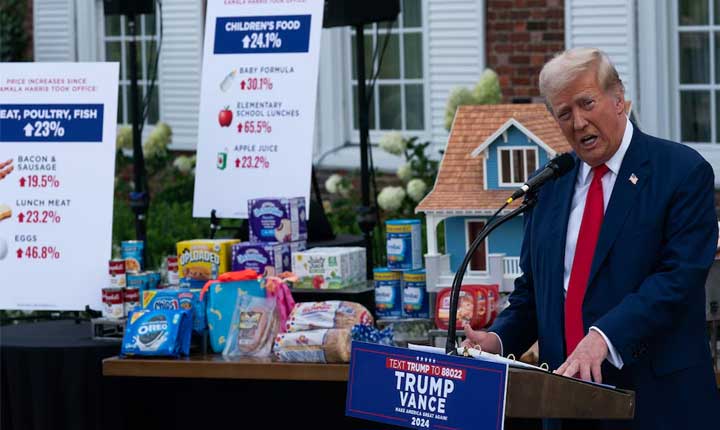
Two Years After Trump’s Inflation Spotlight, Rising Grocery Prices Loom as a Political Vulnerability for Republicans Ahead of Midterms
US Imposes Up to 100% Tariffs on Drones to Curb Chinese Dominance and Bolster Security
Iran Mocks Trump Over Secret Aircraft Switch During Turkey Visit