

Good News for Movie Lovers: PVR INOX Unveils ‘Smart Cinema’ for Small Towns
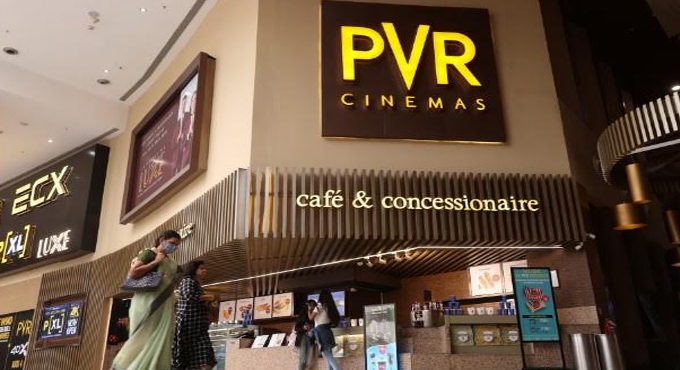
- Published By: techteam
- August 5, 2026 / 10:15 AM IST


By Surya Prakash Josyula
There was a time when almost every small town in India had its own cinema theatre. Most of them were single-screen theatres that came alive every Friday. New movie releases meant long queues outside the gates, giant cut-outs of heroes, drum beats, fireworks and “House Full” boards. Going to the theatre wasn’t just about watching a film—it was a weekly celebration that brought the entire town together.
That world slowly began to disappear. Many of those theatres shut down. Some were converted into shopping complexes, while others became function halls or commercial buildings. The remaining few now struggle to attract audiences except during major festival releases. As OTT platforms became a part of everyday life, many movie lovers started believing that theatres were entering their final chapter. After all, people now have large televisions at home, high-speed internet and smartphones that let them watch any movie whenever they want. Under such circumstances, why would anyone spend time and money travelling to a theatre?
At first glance, the conclusion seems obvious. If audiences are staying at home, investing in new theatres doesn’t make much business sense. Yet this is exactly where the story takes an unexpected turn.
While many people believe the theatre business is declining, India’s largest multiplex chain, PVR INOX, is preparing for one of its biggest expansions. The company plans to launch nearly 300 Smart Cinema theatres across small towns over the next three years, with ticket prices expected to remain between ₹150 and ₹175. It is a bold move that naturally raises an important question. If the future belongs to OTT, why would a company that invests thousands of crores continue building hundreds of new cinema halls?
The answer, according to PVR, is surprisingly simple. The company doesn’t believe India has fewer movie lovers. Instead, it believes quality cinema infrastructure has failed to reach a large part of the country. Even today, millions of people living in smaller towns don’t have access to a modern multiplex experience. Watching a big film often means travelling to the nearest city, paying higher ticket prices, spending on transport, parking and food. By the end of the day, a family outing to the movies becomes an expensive affair.
PVR’s Smart Cinema concept tries to solve exactly this problem. Instead of expecting audiences to travel long distances for a multiplex experience, the company wants to bring that experience closer to where people already live. That is the thinking behind Smart Cinema.
The word “Smart” doesn’t mean a smaller or inferior theatre. In fact, the idea is to deliver almost the same viewing experience people enjoy in metro cities while redesigning the business model to reduce operating costs. Land is cheaper in smaller towns. Construction costs are lower. Electricity bills and manpower expenses are also significantly less. These savings allow the company to offer lower ticket prices without compromising the overall experience.
This strategy could become particularly important for states like Andhra Pradesh and Telangana, where several growing towns still lack modern multiplex infrastructure. If Smart Cinemas eventually arrive in places such as Rajahmundry, Bhimavaram, Ongole, Nandyal or Srikakulam, movie lovers may no longer need to travel to larger cities just to watch a major release in a premium theatre. That alone could change the movie-going culture in many regions.
However, the expansion also raises another important question. What happens to the old single-screen theatres? Many of them are already struggling to survive. Some have permanently closed, while others have found new life as warehouses, marriage halls or commercial spaces. If a modern multiplex opens in the same town, the pressure on these ageing theatres will only increase.
At the same time, competition often creates opportunities. Existing theatres may be forced to upgrade their seating, improve sound systems, maintain cleaner premises and offer better customer service. If that happens, audiences stand to benefit the most. Better theatres, better facilities and more affordable ticket prices could ultimately encourage people to return to the big screen.
Viewed from a broader perspective, this story is about much more than cinemas. It reflects a larger shift in India’s economy. For years, major brands focused almost entirely on metro cities. Today, shopping malls, retail chains and national brands are increasingly expanding into smaller towns because that’s where the next wave of consumers is emerging. PVR appears to have reached the same conclusion.
That is why this announcement isn’t simply about opening 300 new theatres. It is a statement about where the company believes the future of India’s cinema business lies.
Ironically, two very different realities now exist side by side. Old theatres continue to disappear, while India’s biggest multiplex operator is building hundreds of new ones. The contradiction may seem confusing at first, but perhaps it reveals the real story. The theatre business isn’t dying. It is evolving. And those who understand this transformation before everyone else are likely to shape the next chapter of Indian cinema.
Related News

Did You Know? Pradeep Rawat Was a Telugu Son-in-Law… ‘Sye’ Changed Both His Career and His Life

When Air Conditioners Aren’t Enough: Japan’s Rise of the ‘Human Refrigerator’

The Home Loan Secret Banks Don’t Tell You: Why Your EMI May Not Fall Even After an RBI Rate Cut

The Perfect Horror-Comedy Mix of Frights, Fights and Laughs: Tumbadchi Manjula Premieres on ZEE5

Has the Delhi High Court Redefined the Rights of Content Creators?