
Swati Maliwal Calls for Parliamentary Action Against Rising Public Vaping Violations
- Published By: techteam
- May 29, 2026 / 08:16 PM IST


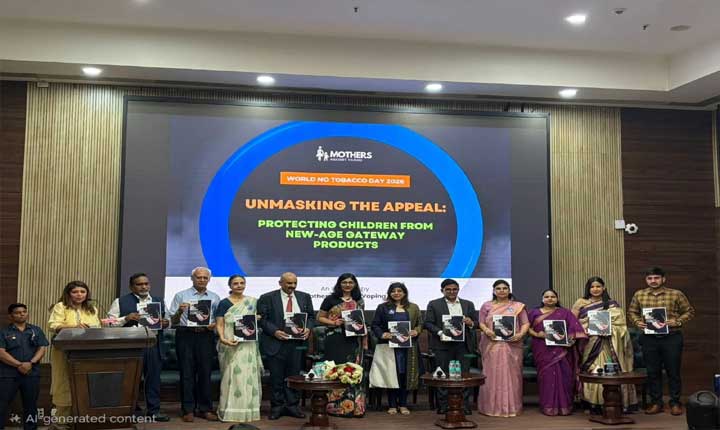
New Delhi: Raising serious alarms over the growing normalization of vaping among children and teenagers, Rajya Sabha Member of Parliament Ms. Swati Maliwal stated on Thursday that rising violations related to public vaping must be strictly addressed at both policy and enforcement levels. Speaking as the Chief Guest at a national seminar organized by Mothers Against Vaping (MAV) ahead of World No Tobacco Day 2026, Ms. Maliwal warned that sleekly designed, flavored vapes are acting as a “new-age gateway addiction” that appears deceptively harmless to young people.
Despite India’s strong legislative step through the Prohibition of Electronic Cigarettes Act (PECA), 2019, experts at the seminar expressed deep concern over the continuous illicit supply of these products. To counter this, there was a unanimous call to include the hazards of novel nicotine products inside the NCERT curriculum to build an early culture of prohibition.
“The biggest danger lies in the invisibility and normalization of these products among adolescents,” Ms. Maliwal remarked. “Today, we are increasingly seeing vaping violations in public spaces and among influential figures… these incidents send a dangerous message to young people and contribute to the normalization of addiction.”
5 Reasons Society Must Worry About Vaping:
Ms. Maliwal outlined five critical areas of concern regarding the rising threat of e-cigarettes and novel nicotine devices on youth:
- Brain Development: Permanent damage to adolescent brain development and heightened long-term addiction risks.
- Respiratory Issues: Severe, acute lung injuries and complex respiratory complications.
- Cardiovascular Risks: Accelerated heart damage and elevated long-term cardiovascular risks.
- Carcinogenic Exposure: Direct exposure to toxic, cancer-causing chemical substances.
- Mental Health: Growing psychological dependency and severe nicotine addiction among teenagers.
Unmasking “Harm Reduction” and Industry Misinformation:
The seminar featured insights from top medical, scientific, and legal experts who exposed the marketing tactics behind these novel nicotine systems, also referred to as “nicotinoids.”
Dr. Shalini Singh, Director & Scientist G at the ICMR’s National Institute of Cancer Prevention & Research, revealed that independent reviews of scientific literature exposed heavy flaws in pro-vaping narratives. Many studies positioning these products as “harm reduction” tools or “safer alternatives” had clear conflicts of interest, including direct or indirect links to the tobacco industry. When ICMR independently reviewed the data and excluded these industry-sponsored studies, they found strong scientific merit backing the complete ban on these products.
Dr. Singh emphasized that misinformation is spreading much faster than scientific awareness due to digital platforms and influencer culture. She called for urgent, coordinated action between scientists, social workers, and educators to counter this narrative.
Keynote speaker Dr. Raj Kumar, Director of the Vallabhbhai Patel Chest Institute, added that medical professionals are increasingly witnessing early dependency patterns and respiratory complications in young experimenters who try vaping out of peer pressure or the false perception that it is fashionable. The seminar concluded with a collective demand for stricter enforcement against underground sales networks and digital promotion to protect the future generation from nicotine dependency.
Related News

Amazon Fashion Integrates AI Features for Wardrobe Refresh Sale

Bajaj Finserv AMC Study Signals Attractive Entry Point as Small Caps Show Structural Strengths

Hero MotoCorp Upgrades Indias Most Trusted 125cc Bike with the New Super Splendor XTEC 2.0

Audio & Beyond Launches British Audio Icon Funktion-One in India to Elevate Nightlife and Live Sound

HCCB Drives Smart Rural Infrastructure Boost in Srikalahasti