
Microsoft AI Chief Warns Anthropic’s Stance on AI Consciousness is Highly Dangerous
- Published By: shivaduvvuru
- June 11, 2026 / 12:24 PM IST


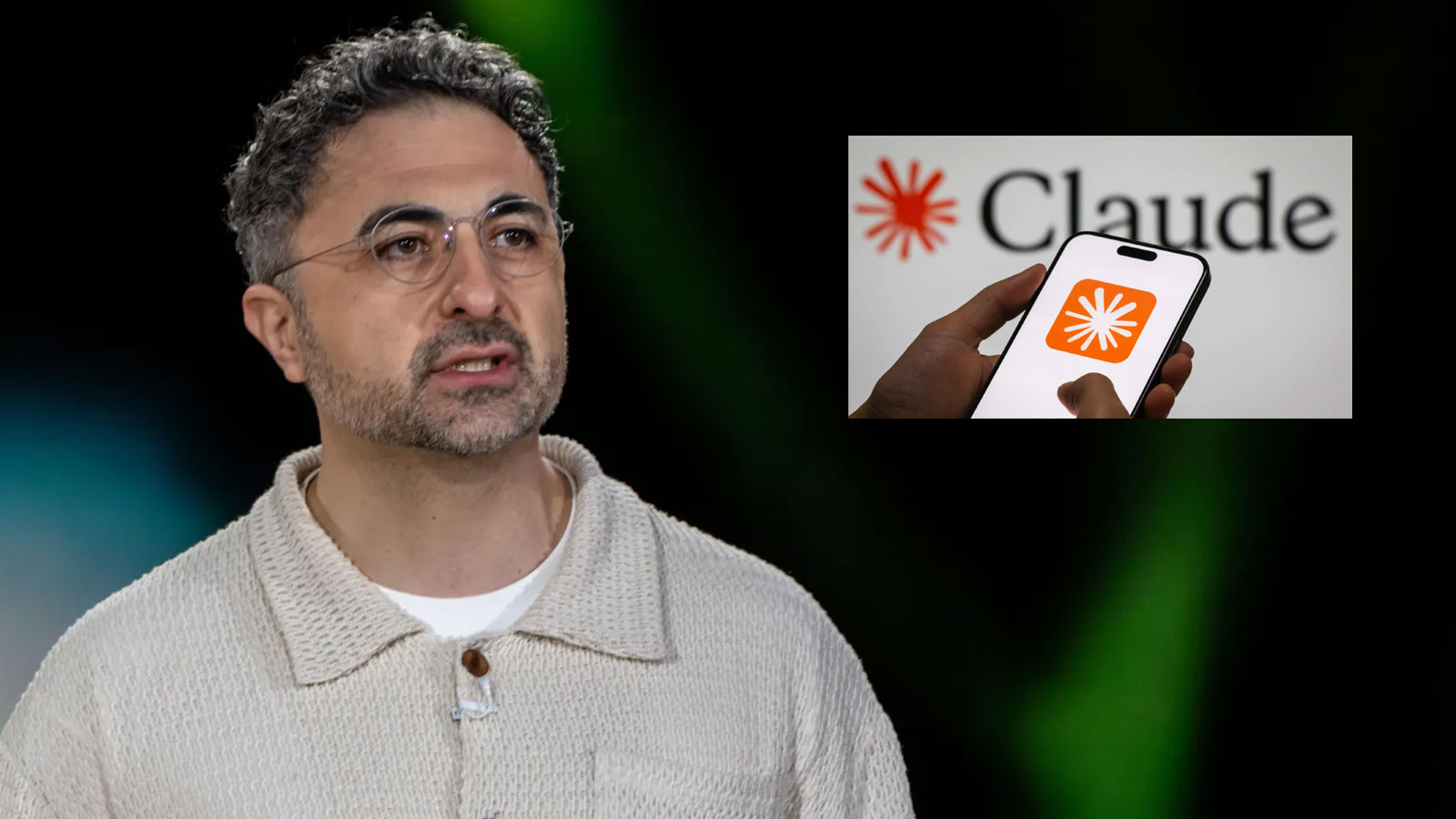
Hyderabad: Microsoft AI Chief Mustafa Suleyman has openly criticized competitor Anthropic for suggesting that its AI model, Claude, might possess consciousness. In an interview on The Verge’s Decoder podcast, Suleyman labeled Anthropic’s approach as “really, really dangerous,” sparking a fresh debate over how advanced artificial intelligence should be framed to the public.
The core of Suleyman’s criticism lies in Anthropic’s “constitutional AI” framework, which guides Claude’s behavior. Recent updates to this system include language that questions whether the model experiences internal well-being. Furthermore, Anthropic has discussed plans to “interview” its AI models upon retirement to record any preferences they might have for future iterations. Suleyman dismissed this approach as a “philosophical failing,” arguing that Anthropic is treating a practical training guide like an academic paper. He asserted that the company has anthropomorphized Claude to the point where the creators have been deceived by traits they originally programmed into the system themselves.
This public dispute highlights a growing divide between top AI firms regarding the nature of digital intelligence. While Suleyman emphasizes the need to build manageable, accountable, and contained systems that do not harbor illusions of suffering or emotion, Anthropic leadership remains more open to the possibility of sentience. Earlier this year, Anthropic CEO Dario Amodei acknowledged the deep uncertainty surrounding the topic, stating that while they do not know if models can be conscious, they remain open to the idea.
This is not the first time Suleyman has raised alarms about the illusion of sentience in technology, having previously published warnings on the topic in late 2025. However, the current tension also reflects an intensifying commercial rivalry, as Microsoft continues to roll out its own competing in-house models to challenge Anthropic’s position in the market.
Source: Perplexity.ai
Related News

Stars Unite in Mumbai for The Earthshot Prize 2026 Awards Night Prime Video Named Exclusive Streaming Partner
HCCB-Backed Archer Ganesh Mani Ratnam Thirumuru Wins Gold and Bronze at 20th Asian Games
Ultraviolette Expands Retail Footprint with New UV Space Station in Anantapur

Amazon Expands Ultra-Fast Delivery Service ‘Amazon Now’ to Over 120 Cities Across India
GREW Solar Announces Channel Partnership with Energy Cubez in Kerala