
Mister Middle Class Review: A Magical Book, But No Magic in the Screenplay
- Published By: Tech Team
- July 27, 2026 / 04:30 PM IST


By Surya Prakash Josyula
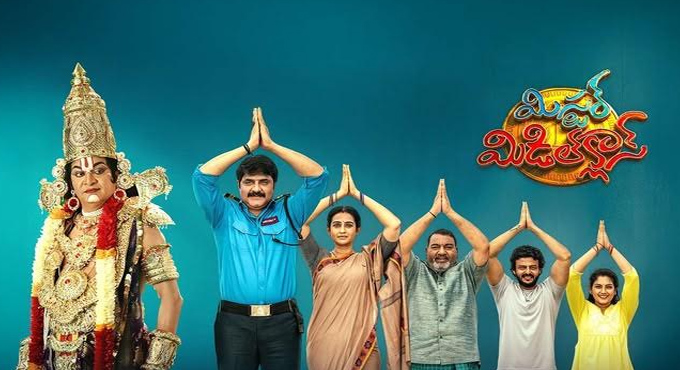
Venkatramana (Srikanth) is a middle-class man whose life is full of never-ending struggles. True to his name, he is a devoted follower of Lord Venkateswara. His devotion is so deep that he even marries a woman named Padmavathi (Laya) because of her name. He lives with his wife, father (Murali Goud), sister, brother-in-law, and children, trying to keep the family together. But no matter how hard he works, life never gets easier. Frustrated by his endless problems, he eventually loses faith and becomes angry with the very god he worships.
Even after Venkatramana turns away from him, Lord Venkateswara does not. He somehow gets him a job near the temple and, one day, even appears before him. As a blessing, the Lord gives him a magical book. Whatever is written in the book becomes reality.
At first, the gift seems like the answer to all of Venkatramana’s problems. But before long, it creates even bigger troubles. Why does this divine gift become a curse? What condition did Lord Venkateswara place before giving him the book? The answers unfold on the big screen.
How Is the Film?
The first half hour is a familiar emotional drama that establishes the struggles of a middle-class family. Once Lord Venkateswara appears, the film shifts into fantasy. This is where the writing had a great opportunity.
The story could have been built around a simple but powerful idea: God doesn’t appear to solve the hero’s problems—He appears to test him.
That would naturally raise the biggest conflict in the film. The real villain shouldn’t be the magical book, God, or even Yama. The real villain should be human greed.
The film seems to hint at the message that God gives us what we need, not what we greedily desire. It’s a strong theme, but the screenplay doesn’t explore it deeply enough.
A fantasy like this also needs rising stakes. Every wish should come with a bigger consequence. The more the hero uses the magical book, the greater the price he should pay. The audience should reach a point where they think, “Don’t write anything else!”
Imagine if the book gave him wealth but cost him his son’s love, his wife’s trust, or his peace of mind. That would have created a powerful conflict between money and happiness.
Some may argue that this is just a comedy and doesn’t need so much depth. But then, why include double-meaning comedy in a film centered around Lord Venkateswara? That choice feels unnecessary.
Performances
Technically, the film doesn’t offer anything remarkable. Director Nageswara Reddy, who has delivered successful comedy entertainers in the past, seems to have lost touch with what today’s audience expects.
Srikanth, Laya, and Rajendra Prasad perform well within the limits of their roles. Vennela Kishore provides a few genuine laughs whenever he appears. Sunil’s gangster character, however, feels very similar to the one he played in Mad Square.
Final Thought
Maybe the film should have been titled “Venkannababu Mahatyam.” At least then, Lord Venkateswara’s devotees might have shown it a little more mercy.