

India Mandates QR Codes On Vaccines, Antibiotics, Cancer Drugs To Curb Counterfeit Medicines
- Published By: Phanindra
- June 28, 2026 / 11:00 AM IST


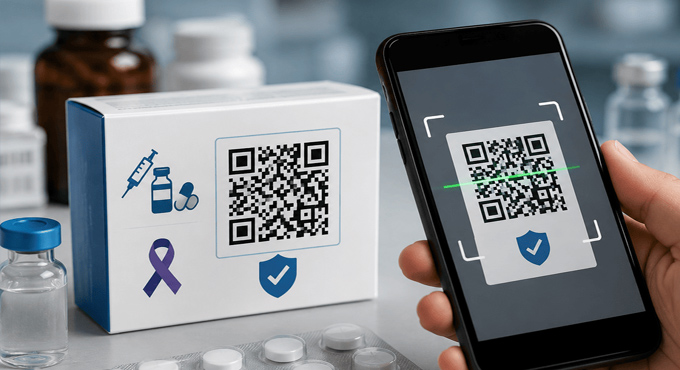
The central government has taken a major step to crack down on counterfeit drugs and bring more transparency to India’s pharmaceutical supply chain. The government has extended its QR code-based tracking system to cover vaccines, antimicrobials (antibiotics), anti-cancer drugs, and narcotic and psychotropic substances entering the market.
The Union Ministry of Health and Family Welfare issued an official notification on Thursday confirming the move, along with key amendments to the Drugs Rules, 1945, aimed at tightening pharmaceutical regulation. Under these amendments, all the above categories of medicines have now been brought under the newly expanded Schedule H2, significantly widening the scope of the country’s existing track-and-trace system for medicines. Going forward, all medicines covered under the Narcotic Drugs and Psychotropic Substances Act, 1985, along with vaccines, cancer drugs, and antibiotics, will be required to carry a barcode or QR code printed on their packaging.
Where The QR Code Must Appear
According to the government’s rules, drug manufacturers must print this QR code directly on the primary packaging label, meaning the medicine bottle or strip itself. Only if space constraints make that impossible will manufacturers be permitted to print or affix the code on the secondary packaging, the outer box. Scanning this QR code through dedicated software applications will allow verification of a medicine’s authenticity and quality at every stage of the supply chain. The code stores a unique product identification number, the medicine’s generic and brand names, the manufacturer’s name and full address, the batch number, manufacturing date, expiry date, the manufacturer’s licence number, and details of the excipients used in the drug. Previously, this QR code system applied only to the country’s top 300 pharma brands. The government has now expanded that scope substantially.
Why The Government Is Doing This
The core motivation behind the move is to enable cross-verification at every stage of the transport chain, preventing counterfeit or substandard medicines from entering the market. Officials believe this will also play an important role in the fight against antimicrobial resistance, one of the major global health challenges at present, by making it easier to identify and track fake antibiotics circulating in the market. Officials say the move is expected to strengthen accountability, transparency, and safety across the entire chain, from drug manufacturing to the point where medicines reach patients.
Phased Rollout Timeline
To give pharmaceutical companies time to make the necessary technical changes, the government has announced a phased timeline for compliance. Rules covering vaccines, anti-cancer drugs, and narcotic and psychotropic substances will come into effect from July 1, 2027, making QR codes mandatory for these categories by that date. Rules covering all antimicrobials will come into full effect from July 1, 2028, according to official sources.
Related News

GIRI Opens 39th Showroom and Cultural Hub on MG Road, Puducherry

Citizens Specialty Hospital in Nallagandala Marks World Heart Day with Community Walkathon

JioStar Unveils ‘Har Ghar Mein Jashn’ Festive Playbook to Help Brands Capture Surge in Consumer Spending

Rapido Expands Food Delivery App Ownly to Hyderabad with a Unique Captain Biryani Celebration

Sennheiser Launches MOMENTUM 5 Wireless and MOMENTUM True Wireless 5 in India