

Congress Gains Upper Hand in Parliament Sessions; NDA Left Struggling
- Published By: Tech Team
- August 14, 2026 / 11:00 AM IST


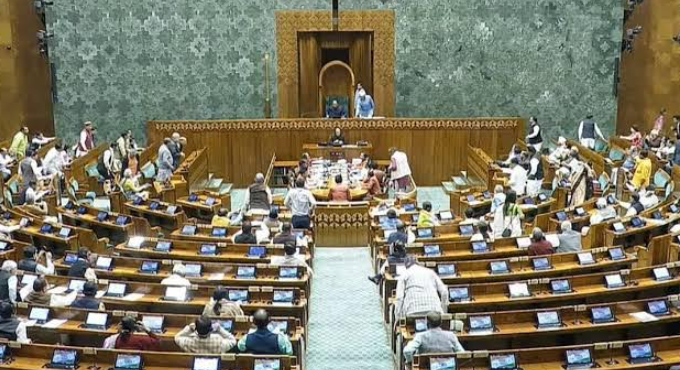
It happened just as expected. The general public anticipated that this year’s Monsoon Session of Parliament would be highly heated and chaotic, and that turned out to be true. On Thursday, following the singing of Vande Mataram, the Speaker adjourned the Lok Sabha sine die. However, Prime Minister Narendra Modi and Union Home Minister Amit Shah attended only the final day of the sessions. Spanning nearly 19 days, the session saw almost no meaningful debates and was largely limited to daily adjournments. Severe protests erupted both inside and outside the House between the ruling and opposition parties.
Amidst this, a debate has surfaced on whether the ruling NDA or the opposition Congress emerged victorious. The BJP, which had been riding high on a streak of recent victories, clearly appeared to face significant trouble this time. Instead of targeting Prime Minister Modi, Congress focused its attack on Union Home Minister Amit Shah. Both Rahul Gandhi and Priyanka Gandhi firmly demanded that Amit Shah personally address the House regarding the lathi-charge and use of pellets on protesters during the CJI protests. Additionally, Congress strongly demanded an explanation from the Centre regarding alleged irregularities in the Ayodhya Ram Mandir donations.
Furthermore, Congress MP Rahul Gandhi played an exceptionally active role during these sessions, launching unprecedented criticisms against the Union Government. Congress took a firm stance, stating that the standoff in the House would persist until Amit Shah attended as Union Home Minister and responded to their questions.
With Congress maintaining such a unyielding posture, the ruling NDA found itself severely cornered. Minister of Parliamentary Affairs Kiren Rijiju and Union Minister J.P. Nadda made intense efforts to counter the opposition, but their attempts fell short. Even when J.P. Nadda clarified that an officer with magistrate status orders firing—not the Union Home Minister—Congress refused to back down, leaving the Centre in a tight spot. The Rahul-Priyanka duo proved to be a major advantage for Congress throughout these parliamentary meetings.
Although the government attempted to introduce several key bills, the opposition successfully blocked their passage. Congress also insistently demanded answers regarding E20 petrol, further complicating matters for the government. While proceedings in both Houses were disrupted, the Lok Sabha was completely paralyzed.
Observing these developments, Congress appeared to enter the session with a well-crafted strategy. Conversely, the Modi-Shah duo seemed unprepared with an effective counter-strategy. They failed to provide convincing answers to the questions posed by Rahul and Priyanka Gandhi. Despite continuous demands for Amit Shah’s presence, he responded only two days before the session concluded, stating he was ready to attend and answer the issues, though little concrete action followed.
In total, only 15% of the scheduled Lok Sabha time was utilized, while the Rajya Sabha saw debate for just 39% of its duration. Additionally, 12 bills were passed without any discussion, while the government failed to pass key legislation such as the Women’s Reservation Bill, Delimitation Bill, and Foreign Contribution Regulation Bill during this session.
Related News
Al-Qaeda Behind Red Fort Blasts: UNSC Report
Amit Shah Inaugurates NUCFDC’s New Office in Mumbai, Unveils Key Initiatives to Modernise Urban Cooperative Banking
Prime Minister Modi Calls to Celebrate Independence Day with Great Pride
Resolution Passed in Tamil Nadu Assembly: ‘Tamil Thai Vaalthu’ Mandatory at the Start of Official Events
Do Doctors Need to Serve in Rural Areas for a Year?