Why Were Some Old Monk and Royal Challenge Variants Banned? Here’s What Really Happened
- Published By: Tech Team
- August 4, 2026 / 12:00 PM IST


— Surya Prakash Josyula
A cold winter night. A small party with friends. An Old Monk bottle on the table. Or someone saying, “Bring a bottle of Royal Challenge” after a family gathering. These are familiar scenes across India. For decades, these brands have been more than just liquor labels—they have become part of social occasions and shared memories.
That is why the recent action by India’s food safety regulator has surprised many people. Suddenly, some variants of these iconic brands have become the center of a nationwide discussion.
But why?
Were these fake liquor products? Did they contain harmful chemicals? The answer is no.
The real question is very different. Was the product sold as “rum” actually made according to rum-making standards? If a bottle is labeled as “whisky,” did its flavor develop naturally through the traditional process, or was it created later by adding artificial flavoring? These questions are at the heart of the controversy that led the Food Safety and Standards Authority of India (FSSAI) to ban the sale of select liquor variants.
What Did FSSAI Find?
According to the regulator, laboratory tests found that some manufacturing units produced rum and whisky using Extra Neutral Alcohol (ENA) as the base and then added external “Rum Flavour” or “Whisky Flavour” instead of allowing those flavors to develop naturally during production.
One important point needs to be understood here. ENA is not fake or illegal alcohol. It is a highly purified neutral spirit widely used in the alcohol industry. However, traditional rum gets its unique taste and aroma through fermentation, distillation, and aging in oak barrels. If the same flavor is created by simply adding “rum flavour” at the end, FSSAI believes it does not meet the standards required for products sold as rum.
In other words, the issue is not mainly about the quality of the alcohol. It is about whether the product matches the identity and standards promised on the label.
How Is Rum Traditionally Made?
Rum is usually produced from molasses or sugarcane-based ingredients. The alcohol is fermented and distilled before being stored in wooden barrels for months—or sometimes years. During this aging process, the spirit naturally develops its color, aroma, and flavor.
This is exactly where the current dispute begins.
If a flavor that normally takes years to develop is added later using artificial flavoring, should the product still be sold as rum? That is the question FSSAI has raised.
The “7 Years Old” Claim
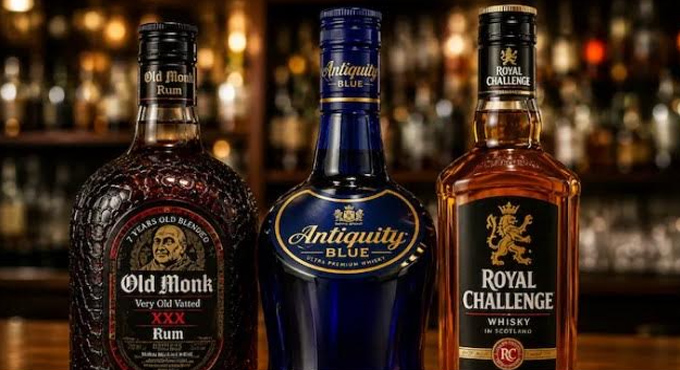
One of the biggest issues in this case involves Old Monk XXX Rum “7 Years Old Blended.”
Most consumers naturally assume that a bottle carrying a “7 Years” label contains spirit that has been aged for at least seven years. However, under FSSAI regulations, the age statement on a blended spirit must be based on the youngest spirit used in the blend.
According to the regulator, the label did not comply with this requirement, making it potentially misleading for consumers.
Which Brands Are Affected?
The action is not limited to Old Monk.
The ban covers select variants of Royal Challenge Whisky, Antiquity Blue Whisky, Bagpiper Deluxe Whisky, Old Cask Deluxe XXX Rum, certain Old Monk rum variants produced at a manufacturing unit in Maharashtra, and one McDowell’s No.1 Rum product.
However, there is an important clarification.
FSSAI has not banned the entire Old Monk brand or every bottle sold under these labels. The action applies only to specific variants produced at particular manufacturing units where non-compliance was identified.
Is This a Health Issue?
Many people who saw the news on social media immediately wondered whether these products are dangerous to consume.
So far, FSSAI has not said that these products contain harmful substances.
The issue is about labeling, production standards, and consumer information, not about toxic ingredients. In simple terms, the regulator believes consumers should receive products that match the claims made on the bottle.
What Are the Companies Saying?
The affected companies disagree with FSSAI’s decision.
Some manufacturers have already challenged the regulator’s orders in court. Industry associations are also in discussions with the authorities. Following appeals, two companies have received temporary relief allowing them to sell existing stock under certain conditions.
That means the legal battle is far from over, and future court decisions could shape how similar products are regulated in India.
What Should Consumers Look For?
This controversy reminds buyers to pay closer attention to product labels.
When purchasing liquor, consumers may want to check:
Age statement
Manufacturing unit details
Label claims
Batch number
Official excise markings and seals
These details are often ignored, but this case may encourage more people to read labels before making a purchase.
The Bigger Picture
Old Monk, Royal Challenge, and Bagpiper are not just liquor brands. They are names that generations of Indians have grown up with. That is exactly why FSSAI’s action has attracted so much public attention.
The courts will ultimately decide whether the regulator’s action is justified. But one thing has already changed.
Consumers are no longer looking only at the brand name on the bottle. They are beginning to ask a much more important question:
Does the product inside truly match the promise printed on the label?
That may be the biggest takeaway from this entire controversy.