

The Country Is Ours… But You Need a Permit to Enter These States! The Surprising History of ILP
- Published By: Tech Team
- August 21, 2026 / 01:49 PM IST


— Surya Prakash Josyula
You are an Indian citizen. You have an Aadhaar card and an identity card. Naturally, you would think you can travel freely to any state in India. But imagine reaching a state border and being asked a surprising question: “Do you have a permit?”
It is not a foreign visa or a passport. It is a special permission required to enter certain parts of your own country.
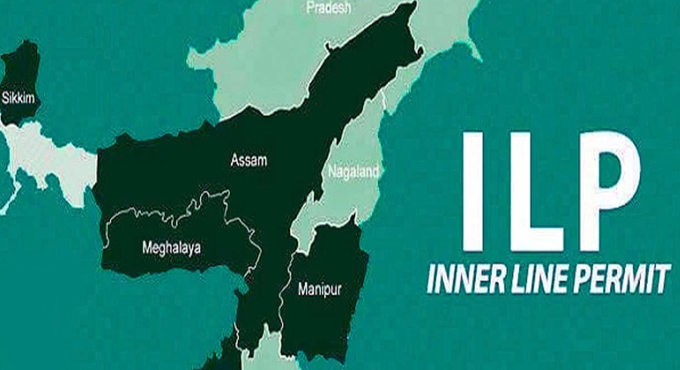
At present, the Inner Line Permit (ILP) system is in force in four Indian states — Arunachal Pradesh, Nagaland, Mizoram and Manipur. But why does an Indian citizen need a permit to enter another Indian state? And what is the story behind this unusual system?
What Exactly Is an ILP?
In simple terms, an Inner Line Permit is an official document that allows Indian citizens from other parts of the country to enter a protected area for a limited period.
So, if you are travelling from another state to one of these four states, you may have to obtain an ILP before entering. It is not just a rule for tourists. The system is also meant to regulate the movement of people from outside the region.
The validity period, fee and application process are different from state to state. In many cases, the application can be completed online.
The Story Began During British Rule
The history of ILP goes back more than 150 years. In 1873, the British government introduced the Bengal Eastern Frontier Regulation and created what was known as the “Inner Line”.
The purpose was to restrict people from the plains from freely entering certain hill and tribal areas. The British also wanted to control the movement of traders and protect their administrative and economic interests.
After Independence, however, the system acquired a different purpose.
Instead of being mainly a colonial administrative tool, the ILP gradually came to be seen as a mechanism to protect the land, culture, traditions and identity of indigenous communities.
That is why ILP today is much more than a travel restriction. For many people in the Northeast, it is connected to the protection of their distinct social and cultural identity.
Arunachal Pradesh
If you are planning to visit Arunachal Pradesh from another state, you generally need an eILP.
The permit is issued for a limited period, and the fee can depend on the duration of your stay. Since the rules and charges can change, it is better to check the latest official information before planning the trip.
Nagaland
Nagaland also requires visitors from other parts of India to obtain an ILP.
Tourists can generally apply online, while certain road entry points may also provide facilities for obtaining the permit. The validity and fee depend on the current rules.
Mizoram
Mizoram also follows the ILP system. Visitors can generally obtain a temporary permit for a limited period.
A short-term permit is usually issued for around 15 days, and in some cases it can be extended. Longer-validity permits may also be available depending on the purpose of the visit.
Manipur
Manipur was brought under the ILP system in 2019.
Visitors from other states may need a temporary permit to enter. Facilities for obtaining an ILP are available at important entry points, including Imphal airport, Mao Gate and Jiribam.
Why Did ILP Become Important After the CAA?
The ILP system came into the spotlight again after the Citizenship (Amendment) Act, or CAA, was passed in 2019.
The legislation triggered concerns in parts of Northeast India over issues such as land rights, local interests and cultural identity.
One important point was that areas protected under the ILP system were excluded from the operation of the CAA. This further highlighted the special status of ILP-protected regions.
It also strengthened demands from some groups to extend ILP protection to other parts of the Northeast.
So, Why Does This System Still Exist?
At first, ILP may look like a simple rule that says “outsiders need permission to enter.” But the issue is much deeper than that.
The system reflects a difficult balance between two ideas — the freedom of movement within one country and the need to protect the land, culture and identity of communities with a distinct history.
India is one country, but its regions have very different histories and social structures. The Inner Line Permit is one of the mechanisms created to recognise and protect that diversity.
Planning a Trip?
If you are planning to visit Arunachal Pradesh, Nagaland, Mizoram or Manipur, do not wait until you reach the border.
Check the latest official rules before travelling. Find out whether you need an ILP, how long it will be valid, what the current fee is and which documents you need.
A photo ID, passport-size photograph and travel details may be required, depending on the state and type of permit.
Most importantly, check the latest government information before your journey, because fees, validity periods and application procedures can change.
Related News

Gandhi’s 688 Pages Sold for ₹16.20 Crore! What Was Written in Them?

Before Buying a House, Check This One Number… Or Your Crores Could Get Stuck!

Does Breakfast Timing Have a Link to How Long You Live?

YouTube Is Offering Millions to Keep Creators Away From Netflix. Why Is It So Worried?

Are Rituals and Traditions a “Symbolic Language”? Decode Them, and Do We Find Science?