

America’s $1 Trillion Interest Bill: The Hidden Risk Lurking in the World’s Safest Investment
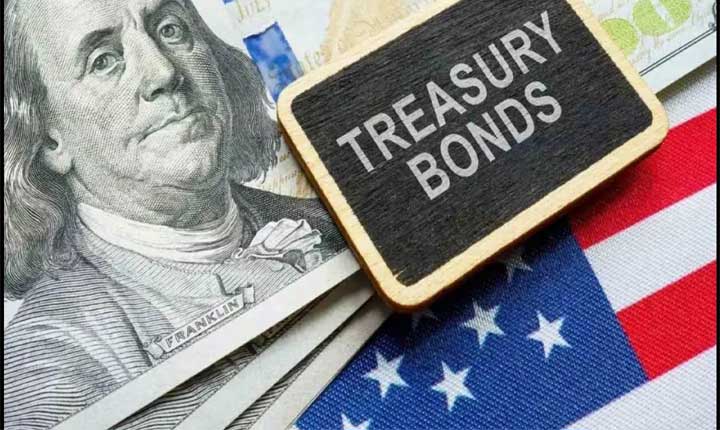
- Published By: shivaduvvuru
- July 10, 2026 / 02:12 PM IST


Key Takeaways
• The U.S. now spends over $1 trillion annually just on interest.
• Hedge funds increasingly finance Treasury purchases with borrowed money.
• Heavy leverage can amplify market stress during periods of volatility.
• Treasury market instability would affect borrowing costs worldwide.
Introduction
For generations, US Treasury bonds have been considered the safest investment on Earth. Yet today, the market underpinning global finance faces growing pressure from rising federal interest costs and increasingly leveraged trading strategies.
A Trillion-Dollar Interest Bill:
The United States now spends more than $1 trillion every year servicing its debt nearly triple the amount in 2020. These payments finance past borrowing rather than new investments, making interest one of the fastest-growing items in the federal budget.
The New Financial Engineering
Institutional investors increasingly use derivatives to gain Treasury exposure with relatively little capital. Hedge funds frequently own the underlying bonds using short-term borrowing through the repo market, creating a highly leveraged chain.
Why Leverage Matters:
When markets become volatile, lenders demand additional collateral. Investors may be forced to sell Treasuries to raise cash, pushing prices lower and creating a self-reinforcing liquidity spiral.
Lessons from 2020
The COVID-19 ‘dash for cash’ demonstrated that even the world’s deepest government bond market can come under severe strain, requiring intervention by the Federal Reserve to restore orderly trading.
Why It Matters Globally:
Treasury yields influence mortgage rates, business borrowing, corporate bonds, and financial markets around the world. Stress in this market would be felt well beyond the United States.
Conclusion
America retains enormous financial strengths, including the world’s primary reserve currency. Nevertheless, record debt, rising interest costs, and growing leverage in Treasury markets are combining to create risks that policymakers and investors cannot ignore.