

Understanding Recurring Hives: Why It Might Not Be an Allergy
- Published By: Tech Team
- November 10, 2026 / 07:03 PM IST


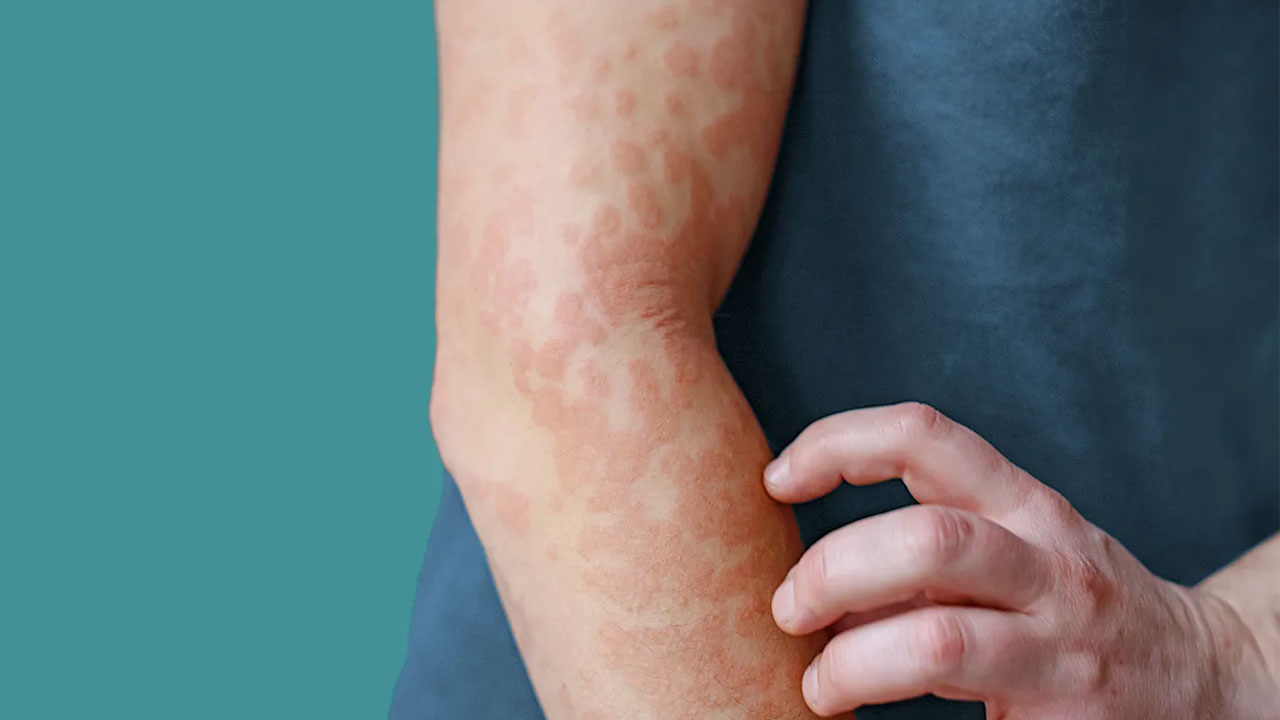
When hives keep returning without a clear trigger, assuming every episode is an allergy may delay appropriate care. According to Dr. Vijaya Bhaskar Mallela, Chief Dermatologist at Youniq Institute of Skin and Plastic Surgery, Jubilee Hills, Hyderabad, hives persisting for more than six weeks or recurring repeatedly without an identifiable external cause could indicate Chronic Spontaneous Urticaria (CSU). Unlike typical allergic reactions linked to specific substances, CSU flare-ups occur spontaneously, making medical evaluation essential to guide proper symptom management and protect the patient’s quality of life.
Five Key Insights on Recurrent Non-Allergic Hives:
Hives Beyond Allergies: Raised, itchy welts are a primary symptom of CSU and can occur without any exposure to specific foods, products, or environmental factors.
The Six-Week Threshold: Urticaria is classified as chronic when symptoms persist beyond six weeks; individual hives often clear within 24 hours while new ones continue to appear elsewhere.
Avoiding Unnecessary Restrictions: Since CSU lacks a clear external cause, attempting to eliminate various foods or products can lead to frustration without resolving the underlying issue.
Impact Beyond Skin Health: Persistent itching and visible swelling frequently disrupt sleep, impair daytime concentration, and trigger emotional distress or social discomfort.
Importance of Targeted Diagnosis: Consulting a dermatologist or allergist ensures accurate clinical assessment and effective symptom management rather than relying on strict allergen avoidance.
Medical Evaluation and Quality of Life:
Recognizing the difference between an acute allergic reaction and chronic spontaneous urticaria is critical for effective long-term care. Health experts emphasize that when recurring hives start affecting daily comfort, sleep, and overall well-being, patients should seek a comprehensive clinical assessment rather than continually attempting to identify external triggers on their own.
Related News

Milk at the Heart of Diwali 6 Festive Sweets From Telangana and Andhra Kitchens

Herbalife India Partners with IISc to Launch Multi-Centric ‘Health & Happiness’ Research Study

Vasan Eye Care Launches ‘Safe Eyes, Safe Deepavali’ CSR Initiative to Support Children with Firecracker Eye Injuries

Clean Isn’t Always Hygienic: Dr. Mukesh Sanklecha Explains Why Gel-Based Pest Control Belongs on Festive Checklists
H.H. Shree Shivkrupanand Swamiji Appointed Vice Chair of World Meditation Day Governance Committee