
The Future of Employee Health How Technology is Transforming Corporate Wellness
- Published By: Vishal
- July 30, 2026 / 05:54 PM IST


The upcoming workplace revolution may well originate from a simple smartwatch notification, a virtual medical consultation, or an early warning that empowers an employee to tackle a health issue before it escalates. For many years, corporate wellness was restricted to routine annual medical check-ups, basic insurance coverage, and periodic fitness initiatives. Today, however, this paradigm is shifting rapidly as organizations recognize the direct link connecting employee well-being to productivity, retention, engagement, and workplace resilience. By leveraging modern technology, enterprises are successfully moving away from reactive support models where assistance is delivered only after an employee falls ill toward an ongoing, year-round framework centered on prevention and personalized care.
Integration of Wearables, Telemedicine, and AI:
The integration of health-tracking wearables, specialized wellness applications, telemedicine solutions, and artificial intelligence has seamlessly embedded modern healthcare directly into the daily work environment. Employees can independently monitor crucial health metrics including sleep patterns, physical activity, heart rate variability, and stress levels. This continuous stream of data equips individuals to make informed lifestyle choices and identify potential concerns requiring professional medical evaluation. Simultaneously, technology allows organizations to analyze anonymous, population-level health trends across their workforce. For instance, a staff experiencing severe stress, inadequate sleep, or lifestyle-related risks requires a markedly different wellness strategy than a team dealing primarily with ergonomic challenges, occupational exposures, or chronic disease management.
Role of Pharma, Biotech, and Integrated Platforms:
The pharmaceutical and biotechnology industries are serving as vital catalysts in this evolving landscape. Leveraging their deep expertise in disease prevention, advanced diagnostics, therapeutics, and clinical research, these sectors help companies craft scientifically grounded, evidence-based employee health programs. Furthermore, life sciences firms are uniquely positioned to spearhead vaccination awareness campaigns, chronic disease management frameworks, early health screenings, and responsible workplace health education. Expanding these possibilities even further, technology companies are introducing unified digital platforms that consolidate medical consultations, psychological counseling, nutritional guidance, physical training regimens, and digital health records into a single cohesive ecosystem. Instead of forcing employees to juggle multiple disjointed applications and external providers, integrated digital architectures deliver a streamlined, uniform healthcare experience.
The Role of Global Capability Centers and Cultural Safety:
Global Capability Centers (GCCs) represent another powerhouse driving innovation within the corporate wellness space. Backed by large, diverse workforces and exposure to cutting-edge international tech expertise, GCCs are uniquely positioned to pioneer and test varied employee wellness models across multiple regions. These centers are actively experimenting with digital wellness dashboards, highly flexible health insurance options, virtual care delivery models, personalized wellness journeys, and data-driven preventive care pathways. Nevertheless, digital tools alone cannot create a genuinely healthy workplace. Technological integration must be matched by an empathetic organizational culture that allows employees to seek assistance without fear of judgment or professional repercussions. For instance, psychological support services remain largely ineffective if workloads are unmanageable or if employees fear negative consequences for admitting vulnerability.
Balancing Data Privacy and Human Leadership:
Data privacy must remain a fundamental pillar of any robust corporate health initiative. Because medical information is intensely sensitive, organizations must provide complete transparency regarding what data is collected, how it is processed, and who maintains access rights. Employers must ensure that deployed technologies build psychological safety and trust rather than instilling a pervasive sense of corporate surveillance. While technology excels at identifying health risks, expanding healthcare access, and personalizing support, compassionate human leadership remains essential to cultivating an environment where people feel genuinely valued and protected. As pharmaceutical enterprises, biotech firms, IT companies, and GCCs continue to forge cross-industry collaborations, corporate wellness will transcend isolated health campaigns—evolving into a connected, preventive, and deeply employee-centric ecosystem that actively nurtures human health rather than merely responding to illness.
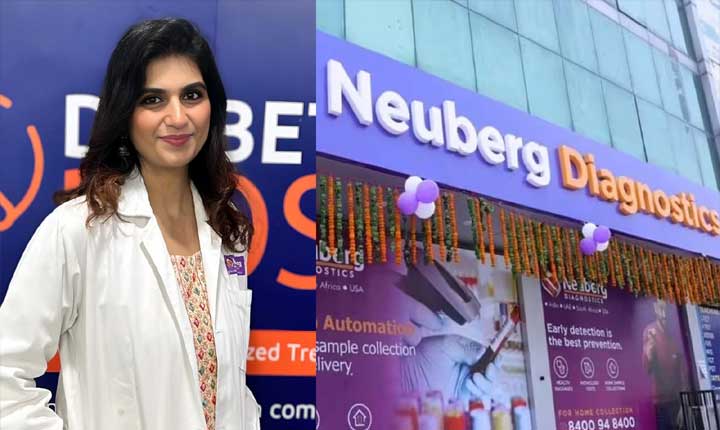
• Dr. Ankita Srivasthava, Chief, Neuberg Diagnostics, Hyderabad
Related News
Experts Advocate Prevention, Early Detection, and Community Awareness at World Heart Day Conference

Pullela Gopichand Emphasizes Sports as Essential for Viksit Bharat at PRana 2026
Litemed India Launches ‘Curapod M’, an Innovative Health-Tech Device for Menstrual Pain

Olympian Pranati Nayak to Represent India Solely in Gymnastics at Asian Games 2026
India Health Forward 2047 Summit Convenes Leaders in Hyderabad to Build Resilient Healthcare Systems