Medtronic Introduces Breakthrough Adaptive Deep Brain Stimulation for Parkinson’s Care in India
- Published By: Tech Team
- April 23, 2026 / 07:18 PM IST


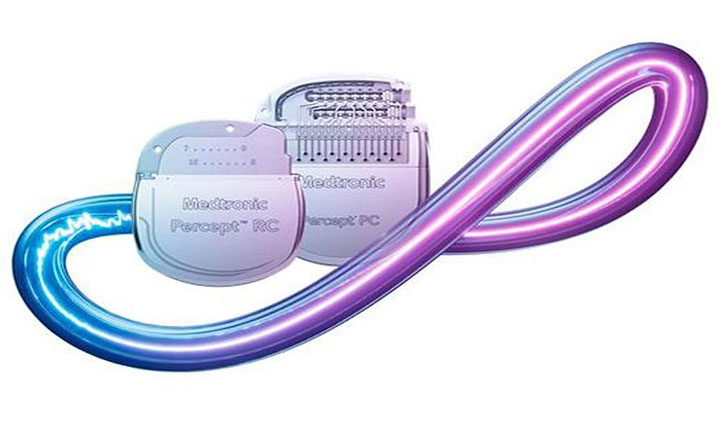
NEW DELHI: In a major leap for neurological care, Medtronic has officially launched its Adaptive Deep Brain Stimulation (aDBS) system in India. This next-generation technology represents a significant evolution over conventional DBS, offering a more personalized and responsive treatment pathway for the millions of Indians living with Parkinson’s disease.
Addressing a Growing Public Health Challenge:
India currently accounts for approximately 10% of the global Parkinson’s burden, a figure projected to rise sharply over the next five years. As a progressive condition, Parkinson’s often robs individuals of their independence, making routine tasks like writing or walking increasingly difficult.
While traditional Deep Brain Stimulation has been a life-changing intervention for decades, it often requires manual adjustments by patients or caregivers to manage fluctuating symptoms. Medtronic’s aDBS aims to bridge this gap by making therapy seamless and automated.
The Science of “Adaptive” Therapy:
The core of this innovation is BrainSense™ technology. Unlike older systems that deliver a constant level of stimulation, the aDBS system is designed to:
Sense Brain Signals: It monitors real-time changes in brain activity associated with Parkinson’s symptoms.
Auto-Adjust in Real Time: The system automatically scales stimulation levels up or down based on the patient’s current state or medication needs.
Maximize Efficiency: By delivering only the necessary amount of power, the system minimizes side effects and extends the battery life of the implanted device.
“The introduction of this system reflects our continued commitment to alleviate pain and restore health,” said Prateek Tiwari, Senior Director at Medtronic India. “This milestone strengthens our leadership in bringing cutting-edge healthcare technologies to India to ultimately improve patients’ quality of life.”
Navigating the Path to Recovery:
Deep Brain Stimulation functions much like a “pacemaker for the brain.” A small device implanted under the skin of the chest sends electrical signals to specific brain regions, blocking the irregular messages that cause tremors and motor dysfunction.
The process for receiving aDBS in India involves a highly specialized, team-based approach:
- Consultation: Patients first meet with a Movement Disorder Specialist (Neurologist) to determine candidacy.
- Assessment: Potential candidates are referred to comprehensive DBS clinics or neurosurgery boards.
- Procedure: A Functional Neurosurgeon performs the implantation and works with the care team to program the device for optimal results.
With no current cure for Parkinson’s, the launch of aDBS provides a critical tool for clinicians, offering deeper insights into brain activity and providing patients with a more stable, “worry-free” management of their condition.
Related News
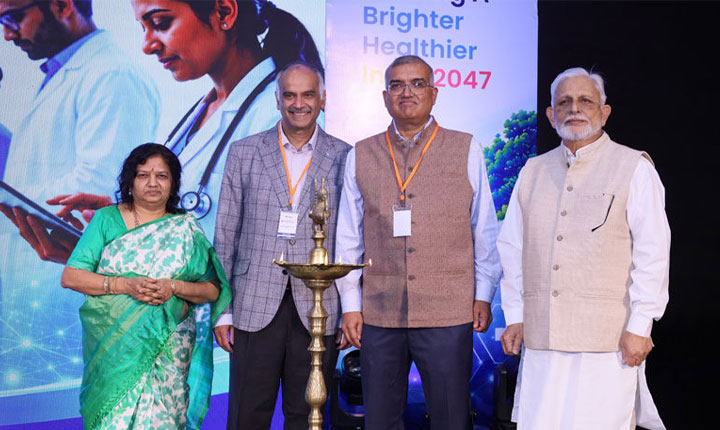
India Health Forward 2047 Summit Convenes Leaders in Hyderabad to Build Resilient Healthcare Systems

Monsoon Snacking Can Take a Toll on Your Teeth Maintaining Oral Hygiene is Essential: Dr. Sonia Datta
From Prevention to Preservation Everyday Habits That Help Protect Your Heart, Liver and Kidneys

Care Health Insurance Issues Public Advisory Amid Monsoon Mosquito-Borne Disease Surge

Traditional to Nutritional Curd Emerges as a Staple Food Across South India with 80% Consumption