
Iran’s Hormuz Squeeze Reshapes the Middle East
- Published By: shivaduvvuru
- June 16, 2026 / 11:45 AM IST


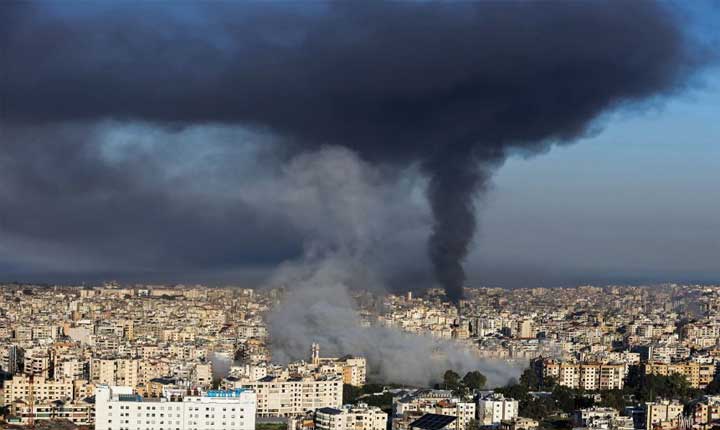
Iran War: West Asia has a new power map. A long war between Iran, Israel, and the United States is ending. A peace deal will soon be signed in Switzerland. But the region will never be the same.
Iran took heavy damage from U.S. and Israeli airstrikes. Even so, it came out with more political power. Israel won many battles. Yet it now stands more alone in the world than before.
Why Iran Looks Stronger:
On paper, Iran lost a lot. Airstrikes hit its bases and government buildings. But analysts say Iran got what it wanted. It showed it can take a top-level military attack and survive.
Its biggest move was the Strait of Hormuz. This narrow sea route carries much of the world’s oil. Iran blocked it. Fuel prices shot up across the globe. The message was clear Iran can choke the world’s energy supply when cornered.
Iran also kept firing missiles and drones across the region. And it talked its way out on its own terms. International mediators helped end the fighting. The naval blockade will now be lifted.
Why Israel Looks Isolated:
Israel’s army is still very strong. But experts say its long-term position got weaker. Prime Minister Benjamin Netanyahu pushed for big military goals. The cost was high.
Years of quiet talks with Arab Gulf states fell apart. Missiles flew over their skies. The fuel crisis hurt their economies. Now Arab leaders are keeping their distance from Israel.
The United Nations and many neutral nations also criticised the strikes. So Israel now leans even more on the United States for support and money. The war’s huge cost has tested its allies’ patience.
What This Means For Us:
For the global Telugu and Indian community, this war hits close to home. India depends on West Asia for oil and trade. We all watched the Hormuz crisis with worry. When that route closes, our fuel bills rise.
Related News

Top 6 Stays in Dubai for Your Next Workation
SriLankan Airlines Restores Complete Middle East Network With Kuwait Service Resumption
Two Years After Trump’s Inflation Spotlight, Rising Grocery Prices Loom as a Political Vulnerability for Republicans Ahead of Midterms
US Imposes Up to 100% Tariffs on Drones to Curb Chinese Dominance and Bolster Security
Iran Mocks Trump Over Secret Aircraft Switch During Turkey Visit