
GOPIO Presents Memorandum on Diaspora Issues and Suggestions to Minister Jaishankar
- Published By: Tech Team
- October 3, 2026 / 12:57 PM IST


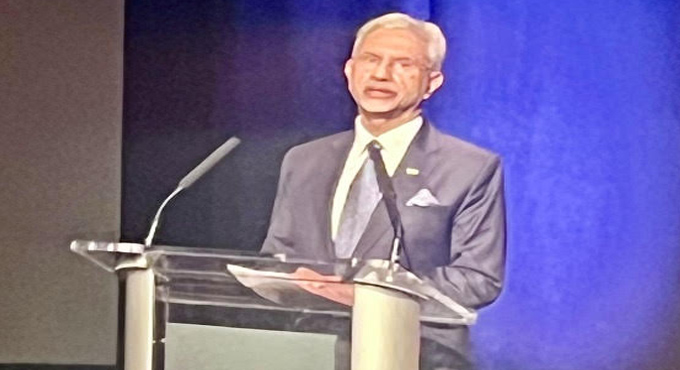
NEW YORK — The Global Organization of People of Indian Origin (GOPIO) presented a memorandum outlining key issues and suggestions from the Indian diaspora to Dr. S. Jaishankar, Minister of External Affairs of India, during his recent visit to New York, where he was participating in an event at the Asia Society.
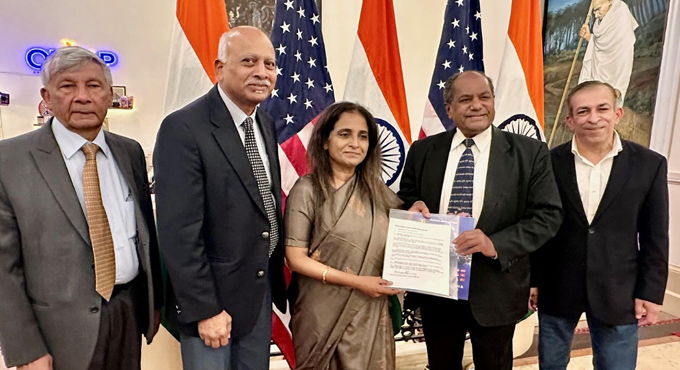
The memorandum, presented by GOPIO International Chairman Dr. Thomas Abraham, was compiled from feedback received from members of the global Indian diaspora and addresses a range of consular, administrative, philanthropic, cultural, and diaspora-engagement issues.
Earlier, a GOPIO delegation presented the memorandum to officials of the Ministry of External Affairs (MEA), including the Secretary responsible for Passport, Visa and Overseas Indian Affairs Amb. Sripriya Ranganathan and Joint Secretary Anken Banerjee of the Diaspora Engagement Division, at a meeting organized by the Consulate General of India in New York on September 26. The meeting brought together representatives of several Indian American community organizations, including AIA, FIA, AAPI, FOKANA, TANA, BJANA, Milan USA, Indian Diaspora Council, Friends of Madhya Pradesh, India Cultural Association of North America, Chhatrapati Foundation, Kannada Koota, and World Vegan Vision.
Key Diaspora Issues and Suggestions
The GOPIO memorandum highlighted the following issues and recommendations:
Simplification of the OCI application process: Make the application procedure more user-friendly and easier for applicants to navigate.
Aadhaar Cards for NRIs and OCI cardholders: Develop a mechanism for NRIs and OCI cardholders to obtain Aadhaar cards, where appropriate.
Facilitating diaspora philanthropy in India: Address difficulties faced by overseas Indians who wish to support legitimate charitable and philanthropic organizations in India. Many worthwhile non-religious educational and social-service organizations currently face difficulties in receiving funds from overseas.
Greater diaspora participation in Pravasi Bharatiya Divas: Increase the participation of overseas Indians as speakers and panelists in PBD sessions. The memorandum noted that a significant proportion of speakers have traditionally been from India and recommended greater representation from the global diaspora.
Recognition and participation of previous Pravasi Bharatiya Samman Award recipients: Ensure that previous awardees are invited and appropriately recognized at subsequent Pravasi Bharatiya Divas events. The memorandum emphasized that these individuals have already received recognition from the Government of India for their contributions and represent an important resource for the global diaspora.
Interactive dialogue with MEA and other ministries at PBD: Establish dedicated interactive sessions involving MEA and appropriate Home Ministry officials with selected overseas Indian leaders. With global diaspora leadership gathered at PBD, such sessions could provide an opportunity to hear concerns directly and explore solutions.
Greater involvement of diaspora scientists and technology entrepreneurs: Include qualified NRI/PIO scientists, technologists, and entrepreneurs on advisory committees of relevant ministries, including Science and Technology, Information Technology, Commerce and Industry, and other appropriate areas, to strengthen diaspora participation in India’s development.
International credit-card payments in India: Explore mechanisms that would enable overseas Indians to make certain bill payments and other transactions in India using credit cards issued outside India.
Visa access for the Pakistani American Hindu Sindhi community: Address visa-related difficulties faced by members of the Pakistani American Hindu Sindhi community who wish to visit India for religious pilgrimages, visits to Ram Janmabhoomi, weddings, shopping, and other cultural or family purposes.
Passport renewal for Indians with U.S. immigration-status issues: Address the difficulties faced by Indians in the United States who are out of status and receive only short-duration passports, resulting in repeated renewal requirements and lengthy processing. The memorandum suggested simplifying the renewal process or considering longer-duration passports where appropriate.
Engaging diaspora youth: Develop new initiatives to connect second- and third-generation Indian Americans and other diaspora youth more closely with India through cultural, educational, professional, technology, and youth-exchange programs.
Broader Issues Raised at Consulate Meeting
During the September 26 meeting, representatives of participating community organizations also raised a number of additional diaspora concerns with MEA officials.
These included consular and passport matters, difficulties faced by Indian charitable and educational organizations in receiving overseas philanthropic contributions, cultural tourism and programs for diaspora youth, and banking and financial transaction issues affecting naturalized citizens of Indian origin living outside India.
The group also reiterated the need to develop mechanisms for Aadhaar access for NRIs and OCI cardholders and made suggestions concerning the establishment of memorials recognizing the history of Indian indentured laborers and an Indian Diaspora Museum in New Delhi.
GOPIO Delegation
Representing GOPIO at the September 26 Consulate meeting were Dr. Thomas Abraham, Chairman of GOPIO International; Mahesh Jhangiani, President of GOPIO-CT; and Prof. Raj Vanagapty, President of GOPIO-Manhattan.
The GOPIO delegation emphasized that the memorandum was not intended simply as a list of grievances, but as a compilation of constructive suggestions gathered from members of the global Indian diaspora to improve engagement between the Government of India and overseas Indians.
Dr. Abraham expressed appreciation to the MEA and the Indian Consulate for providing an opportunity for community organizations to present their concerns directly.
“The global Indian diaspora represents a tremendous resource for India. Our objective is to strengthen the two-way relationship between India and its diaspora by identifying practical issues and developing mechanisms through which overseas Indians can contribute more effectively to India’s development, while receiving responsive services from the Government of India,” Dr. Abraham said.
GOPIO plans to continue its dialogue with the Government of India and relevant ministries on these and other issues affecting the global Indian diaspora.
About GOPIO
Founded in 1989, the Global Organization of People of Indian Origin (GOPIO) is a non-partisan, not-for-profit, secular organization with individual Life Members and chapter delegates representing more than 100 chapters in 35 countries. GOPIO volunteers are committed to enhancing cooperation and communication among NRIs and PIOs and with the communities in which they live. Through its global network, GOPIO seeks to build connections, friendships, alliances, and collaborative relationships among people of Indian origin and their communities worldwide. GOPIO believes that by strengthening networks within the global Indian diaspora, it can help create a better future for the diaspora, the countries in which they live, and India.
Related News

Top 6 Stays in Dubai for Your Next Workation
SriLankan Airlines Restores Complete Middle East Network With Kuwait Service Resumption

Two Years After Trump’s Inflation Spotlight, Rising Grocery Prices Loom as a Political Vulnerability for Republicans Ahead of Midterms
US Imposes Up to 100% Tariffs on Drones to Curb Chinese Dominance and Bolster Security
Iran Mocks Trump Over Secret Aircraft Switch During Turkey Visit