

The Immutable Law- A Bird in the Hand is worth Two in the Bush
- Published By: shivaduvvuru
- June 24, 2026 / 03:28 PM IST


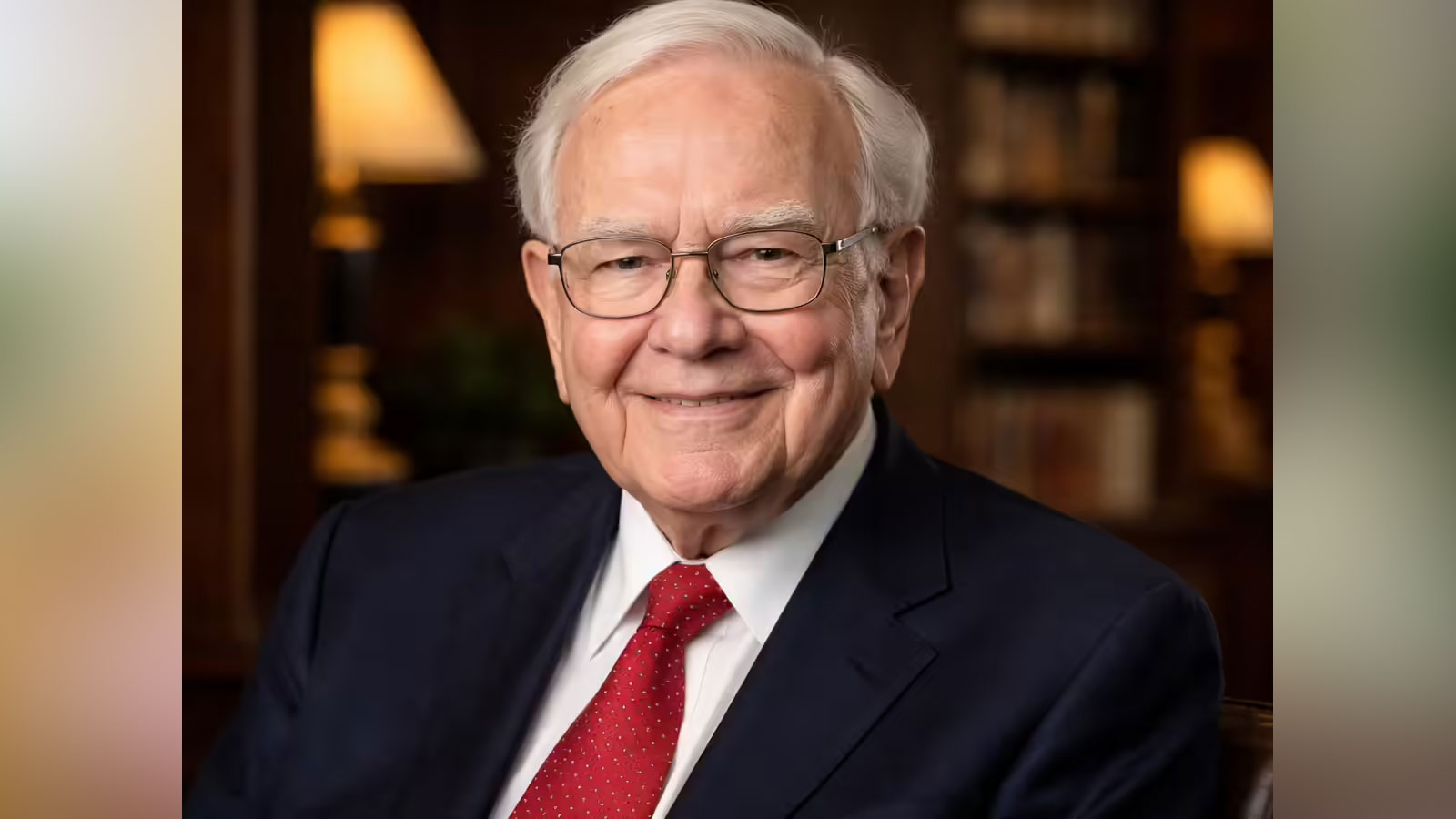
- A 2600-Year-Old Fable Quoted by Warren Buffett
In the late 1990s and early 2000s, the “New Economy” was supposed to rewrite the rules of finance. Tech companies with zero profits and vague business models were valued at billions of dollars. Traditional metrics like cash flow and earnings were dismissed by Wall Street promoters as obsolete relics of a bygone era.
But from his headquarters in Omaha, Nebraska, Warren Buffett remained entirely unimpressed. In his celebrated letters to Berkshire Hathaway shareholders, the “Oracle of Omaha” reached back more than 2,500 years to a storyteller named Aesop to remind the world that the core mathematics of investing have never changed—and never will.
Aesop’s Investment Formula:
“The formula for valuing all assets that are purchased for financial gain has been unchanged since it was first laid out by a very smart man in about 600 B.C. (though he wasn’t smart enough to know it was 600 B.C.),” Buffett wrote. He was referring to Aesop, whose enduring, if slightly incomplete, insight was famously stated as: “A bird in the hand is worth two in the bush.”
To turn this ancient fable into a modern financial tool, Buffett expanded Aesop’s principle into three critical questions:
1. How certain are you that there are indeed birds in the bush?
2. When will they emerge, and how many will there be?
3. What is the risk-free interest rate?
If you can answer these three questions, Buffett noted, you can calculate the exact value of any financial asset. And, he added with characteristic pragmatism, “Of course, don’t literally think birds. Think dollars.”
This principle is completely immutable. It doesn’t care about technological breakthroughs or shifting market narratives. As Buffett explained, it applies equally to outlays for farms, oil royalties, bonds, stocks, lottery tickets, and manufacturing plants. Neither the advent of the steam engine, the harnessing of electricity, nor the creation of the automobile changed this formula one iota—nor would the internet.
Birdless Bushes and the Wall Street Postmen
During market manias, however, investors routinely forget how to count birds. Buffett delivered a savage critique of the promoters and investment bankers who exploited the dot-com bubble by “shamelessly merchandising birdless bushes.” In doing so, they successfully moved billions of dollars from the pockets of the public into their own purses.
According to Buffett, a bubble market naturally breeds bubble companies entities designed not to make money for investors, but to make money off them.
But financial gravity always wins. Buffett issued a warning that would prove prophetic just months later: “A pin lies in wait for every bubble. And when the two eventually meet, a new wave of investors learns some very old lessons.”
Those lessons are simple, brutal, and repeatedly ignored:
First: Wall Street is a community in which quality control is not highly prized; they will sell investors anything they are willing to buy.
Second: Speculation is at its most dangerous precisely when it looks the easiest.
Value Creation vs. Wealth Transfer:
Buffett was careful to distinguish between legitimate innovation and market fraud. He readily acknowledged that a massive amount of true value had been created by young, innovative businesses over the preceding decade, with much more to come in the future.
However, he drew a hard line between true value and high stock prices. “Value is destroyed, not created, by any business that loses money over its lifetime, no matter how high its interim valuation may get,” Buffett pointed out.
When a company sports a massive market capitalization but never actually produces cash for its owners, no value has been created at all. Instead, what occurs is wealth transfer on a massive scale a legal pocket-picking that shifts capital from the trusting public to the clever promoter.
The Blurred Line of Speculation
Why do smart people fall for birdless bushes time and time again? Buffett explained that the line separating investment and speculation, which is never entirely bright and clear, becomes dangerously blurred when most market participants have recently enjoyed easy triumphs.
True investing focuses on what the asset itself will produce. Speculation, on the other hand, focuses entirely on what the next fellow will pay for it. While Buffett noted that speculation is “neither illegal, immoral nor un-American,” it becomes a hazard when investors mistake it for a guaranteed wealth building strategy.
When the music stops, the investors who focused on the bush find out too late that there were never any birds inside. True value isn’t driven by excitement, clicks, or market momentum it is driven by cold, hard cash flowing back to the investor.
Related News

Stars Unite in Mumbai for The Earthshot Prize 2026 Awards Night Prime Video Named Exclusive Streaming Partner

HCCB-Backed Archer Ganesh Mani Ratnam Thirumuru Wins Gold and Bronze at 20th Asian Games

Ultraviolette Expands Retail Footprint with New UV Space Station in Anantapur

Amazon Expands Ultra-Fast Delivery Service ‘Amazon Now’ to Over 120 Cities Across India

GREW Solar Announces Channel Partnership with Energy Cubez in Kerala