

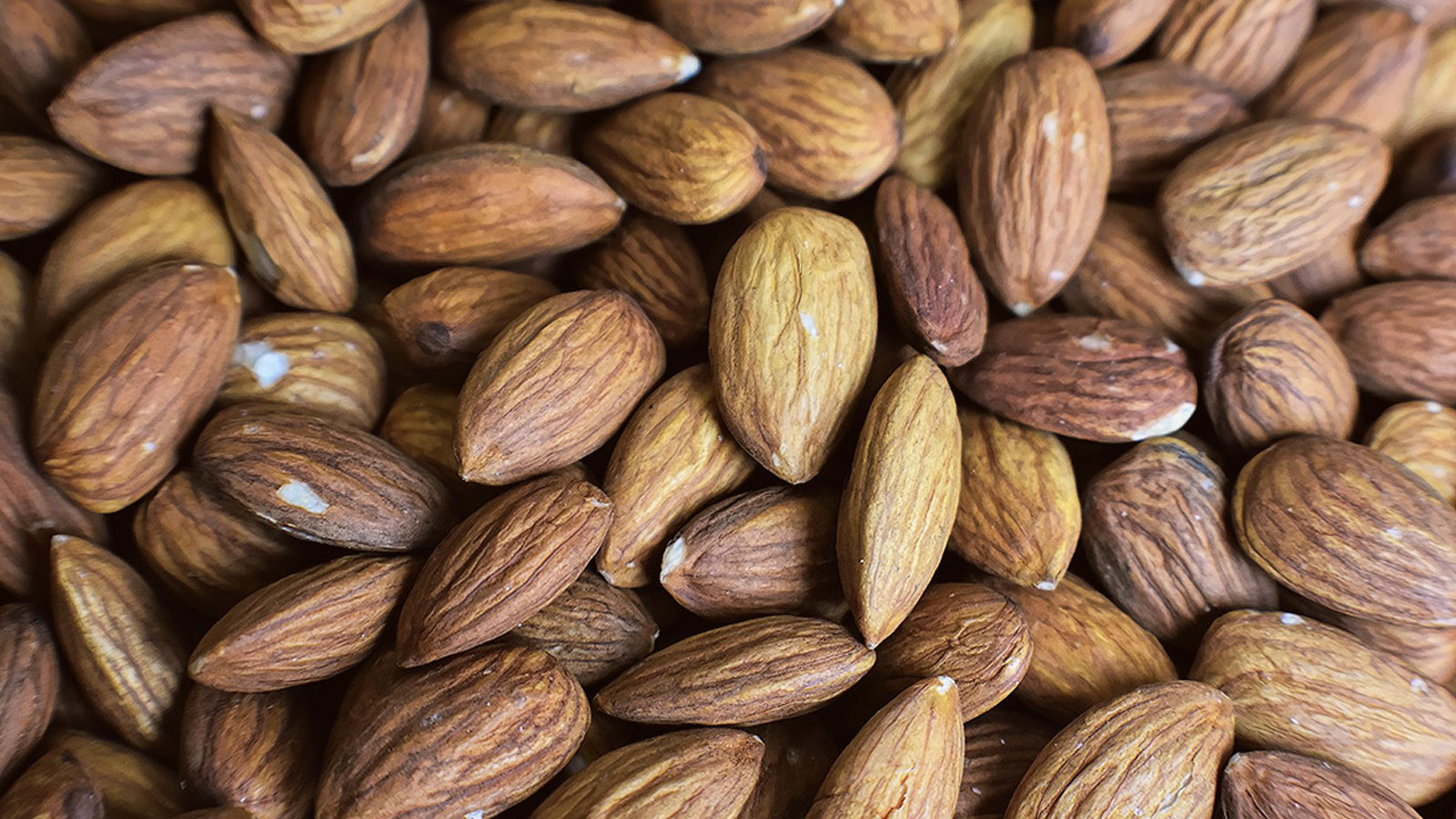
Myth or Fact: Do Almonds Cause Body Heat?
- Published By: Vishal
- June 26, 2026 / 06:06 PM IST


Almonds have long been a staple in everyday diets, enjoyed as a wholesome snack, incorporated into breakfast routines, or added to both sweet and savory recipes. Despite their popularity, one common perception keeps resurfacing, especially during the warmer months: Do almonds cause body heat?
Many people become cautious about eating almonds in summer, believing they may increase internal body temperature or cause discomfort in hot weather. But is this concern based on scientific fact, or is it simply a persistent food myth?
Understanding the Perception vs. Reality
The belief that almonds generate body heat is often linked to traditional culinary perceptions rather than modern nutritional science. Because almonds are highly nutrient-dense and naturally rich in healthy fats, protein, and fiber, some people assume they are “heavy” foods that force the body to produce excess warmth during digestion.
However, there is no scientific evidence to suggest that almonds raise core body temperature or are unsuitable for consumption during warmer seasons. In fact, almonds are enjoyed year-round across different age groups and lifestyles as part of balanced eating habits.
Emphasizing the importance of a consistent, healthy routine, Ritika Samaddar, Regional Head of Dietetics at Max Healthcare – New Delhi, explains:
“The way we begin our mornings has a profound impact on how our bodies function throughout the day. A well-balanced routine, rooted in consistency and nourishment, can influence everything from energy levels and digestion to long-term health outcomes. Incorporating nutrient-dense superfoods into the daily diet is what I recommend to all my patients, as it’s one of the simplest ways to support overall health.”
A Nutrient-Dense Superfood for Everyday Wellness
California Almonds are packed with 24 essential nutrients, including vitamin E, protein, fiber, magnesium, riboflavin, phosphorus, and zinc. This rich profile makes them a highly efficient superfood that fits seamlessly into modern lifestyles.
The specific combination of protein, healthy fats, and fiber provides steady, prolonged nourishment and promotes satiety (the feeling of fullness). Unlike highly processed snacks that cause sudden spikes and crashes in blood sugar and energy, almonds offer sustained fuel to support busy schedules, whether you are at work, traveling, or maintaining an active fitness routine.
Research consistently backs up these nutritional advantages. A study published in the European Journal of Clinical Nutrition found that consuming 43 grams of dry-roasted, lightly salted almonds daily significantly helped reduce hunger. Furthermore, it improved the participants’ dietary intake of vitamin E and monounsaturated (“good”) fats without leading to an increase in overall body weight.
Do Almonds Need to Be Soaked?
Another common question is whether almonds must be soaked before eating, particularly during the summer to “reduce heat.”
While many people prefer soaked almonds because the process softens them, makes them easier to chew, and allows the skin to peel off smoothly, soaking is largely a matter of texture and personal preference rather than a strict nutritional requirement. Whether you consume them soaked or unsoaked, almonds deliver the exact same valuable nutrients to your diet.
Comprehensive Health Benefits
Beyond their portability and great taste, almonds actively support everyday wellness:
Bone and Muscle Support: Almonds are an excellent source of plant-based protein. Protein contributes to the maintenance of normal bones, supports the growth and maintenance of muscle mass, and is vital for the normal growth and skeletal development of children.
Nerve and Muscle Function: They are rich in magnesium, a key mineral that contributes to normal muscle function and nerve signaling, making them an ideal post-workout recovery snack.
Dietary Versatility: Because of their convenience, almonds can be easily integrated into breakfast bowls, grabbed as an afternoon workplace snack, or used as premium ingredients in festive family meals.
The Bottom Line: The idea that almonds cause harmful body heat is a myth. They are a safe, nutrient-rich powerhouse that can—and should—be enjoyed throughout the summer and all year long.
Related News

Homegrown Tech Brand Mivi Steps Into Smartphone Market With Mivi One 5G Series Starting at ₹11,999 on Flipkart

Star Health Expands Healthcare Partnerships in Rajahmundry to Improve Cashless Access

Natural Diamond Council Rebrands as ‘The Diamond Collective’ with New Global Strategy

SENNES Takes Lab-Grown Diamonds to Milan Fashion Week with Dhruv Kapoor

AU Small Finance Bank’s Wheels Business Crosses ₹50,000 Crore AUM Milestone