
Aspirational Spending and Digital Trust The Evolution of India’s Credit Card Culture
- Published By: techteam
- May 25, 2026 / 10:09 AM IST


NEW DELHI: India’s consumption narrative is undergoing a structural shift. Driven by rising disposable incomes, rapid urbanization, and a swelling middle class, the country is transitioning from an economy of calculated saving to one of confident, lifestyle-led consumption.
Nowhere is this evolution more visible than in the credit card ecosystem. With a staggering 118.6 million credit cards in circulation and total spends crossing ₹23.62 trillion in FY26, the market has officially shifted gears from expansion (getting cards into hands) to deep utilization (making them the default way to pay).
Insights from SBI Card, India’s largest pure-play credit card issuer, highlight the key trends reshaping how the modern Indian consumer spends, swipes, and scans.
1. The Digital-First, Aspirational Shopper:
Indian consumers are no longer using credit just for financial emergencies or big-ticket items; they are using it to fund experiences, wellness, and lifestyle choices.
According to SBI Card’s FY26 data, retail spends reached an all-time high of ₹3.54 trillion, marking a healthy 15% year-on-year (YoY) growth. Strikingly, online transactions contributed nearly 62.5% of this total, proving that digital-first shopping is now the baseline across both essential and discretionary categories.
To sustain this digital migration, customer service has similarly gone virtual. Millions of users are bypassing traditional banking channels to manage their accounts via self-service avenues like mobile applications, interactive live chats, and WhatsApp banking.
2. UPI Integration Supercharges Everyday Credit:
For years, credit cards in India were restricted to point-of-sale (POS) terminals at mid-to-high-end merchant outlets. The game changed entirely with the integration of RuPay credit cards onto the Unified Payments Interface (UPI) network, which unlocked everyday merchant QR codes for credit transactions.
By allowing users to scan a QR code and pay via credit, the line between debit and credit has blurred. SBI Card reported a 10% quarter-on-quarter (QoQ) growth in UPI-linked credit card spending by the final quarter of FY26. What is more telling is where people are using it:
- Departmental stores & daily groceries
- Utility bill payments
- Fuel stations
- Neighborhood restaurants and apparel stores
This shift proves that credit cards have successfully migrated from a tool reserved for luxury purchases to an ecosystem that fuels everyday, small-ticket commerce.
3. “Bharat” Takes the Lead in Digital Credit:
While India’s metro cities have traditionally dominated the banking sector, the real growth engine is now located in Tier 2 and Tier 3 cities. The combination of smartphone penetration, financial awareness, and UPI-linked credit has democratized access to formal credit in emerging markets.
The data reveals a stark geographical reality: 77% of UPI-active credit card customers and 81% of UPI-credit transaction volumes now originate from Tier 2 and Tier 3 cities. This trend underscores how digital credit instruments are driving true financial inclusion across the length and breadth of India.
4. The Multi-Card Strategy and Strategic EMI:
sThe modern Indian consumer has become incredibly sophisticated, increasingly treating their wallet like a curated rewards portfolio. Rather than relying on a single, catch-all credit card, digitally savvy shoppers are practicing multi-card optimization to maximize category-specific benefits. This means matching specific cards to specific lifestyle habits, such as deploying dedicated cards for travel perks and lounge access, using co-branded fuel cards to secure surcharge waivers, utilizing e-commerce partnership cards for direct retail cashbacks, and opting for niche wellness cards for healthcare rewards. This ecosystem-led approach highlights a mature shift toward high-utility, experience-driven card usage.
Furthermore, when it comes to finalized checkouts, Equated Monthly Installments (EMIs) have witnessed healthy, double-digit year-on-year growth. Spreading payments into manageable installments for high-value purchases such as smartphones, consumer durables, gadgets, and home furnishings has become a standard cash-flow management strategy. This trend of affordable, flexible financing is gaining massive momentum beyond metropolitan areas, penetrating deep into Tier 2 and Tier 3 cities where consumers are leveraging EMIs to seamlessly upgrade their lifestyles without stretching their immediate monthly budgets.
Related News
IDFC FIRST Bank Launches Business Multiplier Credit Card for Founders and Entrepreneurs
AI-Led Shopping and Premium Upgrades Drive Record Growth for Amazon India’s Great Summer Sale 2026

Travel Passions and Local Behaviors Reshaping Hotel Loyalty Across APEC
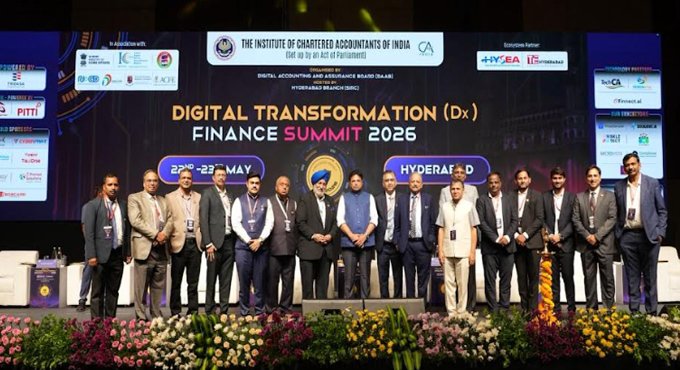
ICAI Inaugurates second edition of Digital Transformation Finance Summit 2026

Campus Activewear Rebrands to Champion Youth Individuality and Culture