
AI Drives Data Center Construction Boom, Unveiling New Infrastructure and Insurance Risks
- Published By: Phanindra
- August 13, 2026 / 09:52 AM IST


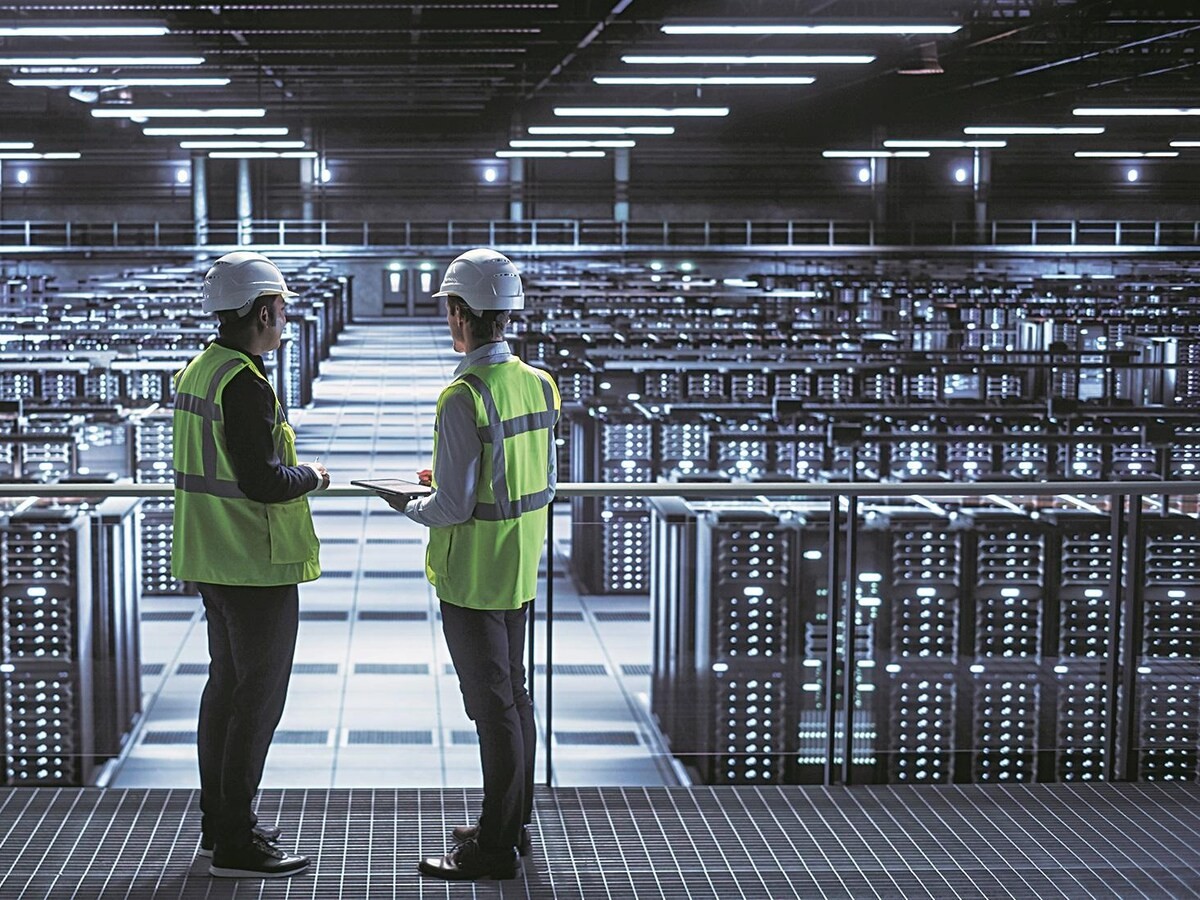
Artificial intelligence is driving one of the largest infrastructure investment cycles in decades. However, the rapid global build-out of data centers is also ushering in a new era of construction, operational, climate, and insurance risks, according to the latest report from Allianz Commercial, The data center construction boom: risks and claims trends. Annual investment in data centers is projected to double from around $500 billion in 2024 to more than $1 trillion as early as 2027. This immense investment opportunity extends far beyond server halls to include electricity generation, grid infrastructure, cooling systems, networking, and semiconductors. According to Allianz Research, the US and China are expected to account for around 62% of new global capacity additions through 2030. However, the next wave of investment is expanding globally:
Europe: While Germany, the UK, and Ireland remain major markets, faster expansion is expected in Spain, Finland, and Denmark due to more favorable power availability and permitting conditions.
Asia Pacific (excluding China): Installed capacity is projected to increase from around 9GW today to more than 28GW by 2030, with Malaysia expected to grow more than tenfold.
“AI is turning the latest generation of data centers from a specialist real estate asset into mission-critical infrastructure,” said Thomas Lillelund, CEO of Allianz Commercial. “The scale of investment is extraordinary and… success will increasingly depend on resilience.”
Physical Constraints and Climate Resilience
The sector’s biggest constraints are increasingly physical rather than financial. Competitive advantage is now heavily determined by access to electricity, grid connections, permitting, specialized equipment, and skilled labor. In the US alone, the construction industry faces a shortage of around 439,000 skilled workers, while an estimated 349,000 additional workers may be needed in 2026. Climate resilience is also transitioning from an operational afterthought to a strategic imperative. Currently, 79% of global data center capacity is located in areas exposed to heightened natural catastrophe risk, while 54% is exposed to chronic heat and drought stress. Some of the fastest-growing AI infrastructure markets—including Northern Virginia (US), Johor (Malaysia), and Marseille (France)—are also among the most climate-exposed.
Evolving Risks and Claims Trends
Allianz Commercial’s analysis of insurance industry data center-related claims reveals that fire is the leading driver of loss severity, accounting for well over 50% of approximately €700 million ($800 million) worth of losses.
Loss Severity Drivers: Fire is followed by natural catastrophe activity, wilful acts (including crime and cyber incidents), and power failure.
Most Frequent Claims: Water damage is the most frequent cause of data center claims, followed by wilful acts, fire, and equipment breakdown.
Business Interruption: This remains the primary driver of claims severity across insurance lines, highlighting the massive financial impact of operational downtime.
The data center risk profile is changing as facilities become larger, more complex, and highly interdependent. A single event at a hyperscale or colocation campus can trigger simultaneous claims across property, construction, business interruption, liability, and cyber lines. Real-life case studies show that damage to external cooling systems or hot works-related fires have resulted in losses in the $50 million to $100 million range.
The Surging Data Center Insurance Market
As data centers assume a more critical role in global infrastructure, comprehensive insurance coverage has become a strict prerequisite for financing large-scale AI projects. Construction costs for a single AI campus can easily exceed $20 billion, with insured values rising substantially once high-performance computing equipment is installed. The global data center insurance market is projected to grow from around $11 billion today to more than $24 billion by 2030, reflecting rapid capacity expansion, rising insured values, and increasing operational complexity.
“For insurers, the key question is not only the value of the building, but the concentration of value and dependency inside and around it,” explained Christian Kolbe, Global Head of Construction Claims at Allianz Commercial. “Effective risk mitigation must begin early and continue throughout the data center lifecycle. Resilience must be designed in from the earliest planning stage.”
Related News

Global Supercross Stars and India’s Top Talent Gear Up for Indian Supercross Racing League Season 3

CDK Global Names Sudhakar Ramakrishna President and CEO
CDSL Launches ‘Reimagine Ideathon 2.0’ to Shape Financial Awareness and Cyber Safety Among Students

Smith & Jones Launches New Campaign Featuring Rasika Dugal to Help Consumers Evaluate Ginger Garlic Paste

ISWAI Report Highlights Indian Alcoholic Beverage Industry’s ₹6.2 Lakh Crore Economic Value and Massive Fiscal Contribution