
True Nature of Tapas
- Published By: shivaduvvuru
- August 12, 2026 / 09:53 AM IST


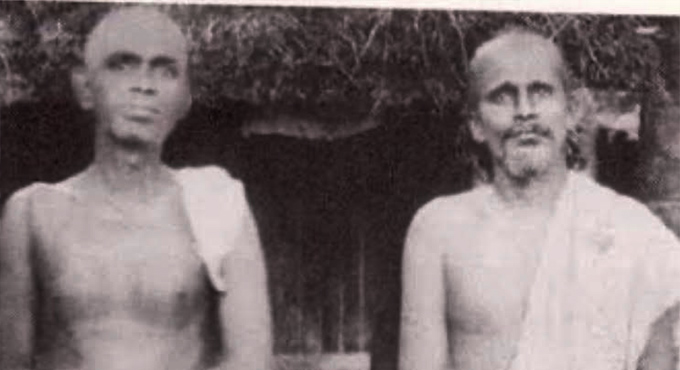
Kavyakantha Ganapati Muni was one of the great Sanskrit scholars and mantra practitioners.Yet after years of intense spiritual practice, he approached Ramana Maharshi with a fundamental question:
What is the true nature of tapas?
Ramana’s answer transformed the direction of Muni’s practice.
When a mantra is repeated, Ramana taught, one should attend to the source from which the mantra arises. When the mind reaches that source, it becomes absorbed there. That is tapas.
The enquiry is subtle:
What was present before the mantra appeared?
From what did the mental sound arise?
What knows the mantra while it exists?
Where does it disappear?
That source is what attention seeks.
Something knew the silence.
Something knew the appearance of the mantra.
Something knew its disappearance.
So attention turns from the mantra toward that which knows it.
Turning Attention Around
Ordinarily, attention moves outward:
I → thought → word → world.
Ramana showed Ganapati Muni how mantra could reverse that movement:
Word → thought → source.
The mantra therefore becomes more than an object of concentration. It becomes a trail leading to the source.
Even the silence between repetitions is not the final destination, because silence too is known.
The deeper enquiry is:
What is present beyond both sound and silence?
No intellectual answer is required.
The enquiry itself turns attention inward.
Mantra → source
thought → source
The Mantra as a Trail Backward
Kavyakantha Ganapati Muni was one of the great Sanskrit scholars and mantra practitioners of his time. Yet after years of intense spiritual practice, he approached Ramana Maharshi with a fundamental question:
What is the true nature of tapas?
Ramana’s answer transformed the direction of Muni’s practice.
When a mantra is repeated, Ramana taught, one should attend to the source from which the mantra arises. When the mind reaches that source, it becomes absorbed there. That is tapas.
The enquiry is subtle:
What was present before the mantra appeared?
From what did the mental sound arise?
What knows the mantra while it exists?
Where does it disappear?
That source is what attention seeks.
Something knew the silence.
Something knew the appearance of the mantra.
Something knew its disappearance.
So attention turns from the mantra toward that which knows it.
Turning Attention Around
Ordinarily, attention moves outward:
I → thought → word → world.
Ramana showed Ganapati Muni how mantra could reverse that movement:
word → thought → source.
The mantra therefore becomes more than an object of concentration. It becomes a trail leading backward.
Even the silence between repetitions is not the final destination, because silence too is known.
The deeper enquiry is:
What is present through both sound and silence?
No intellectual answer is required. The enquiry itself turns attention inward.
Mantra → source.
Thought → source.
I → source.