
The Silent Shakedown: China’s Pacific Missile Test and the New Indo-Pacific Reality
- Published By: shivaduvvuru
- July 8, 2026 / 10:43 AM IST


For decades, a simple equation held the Pacific together: American dominance meant regional stability. That equation is now in question.
A Test That Wasn’t Just About Propulsion
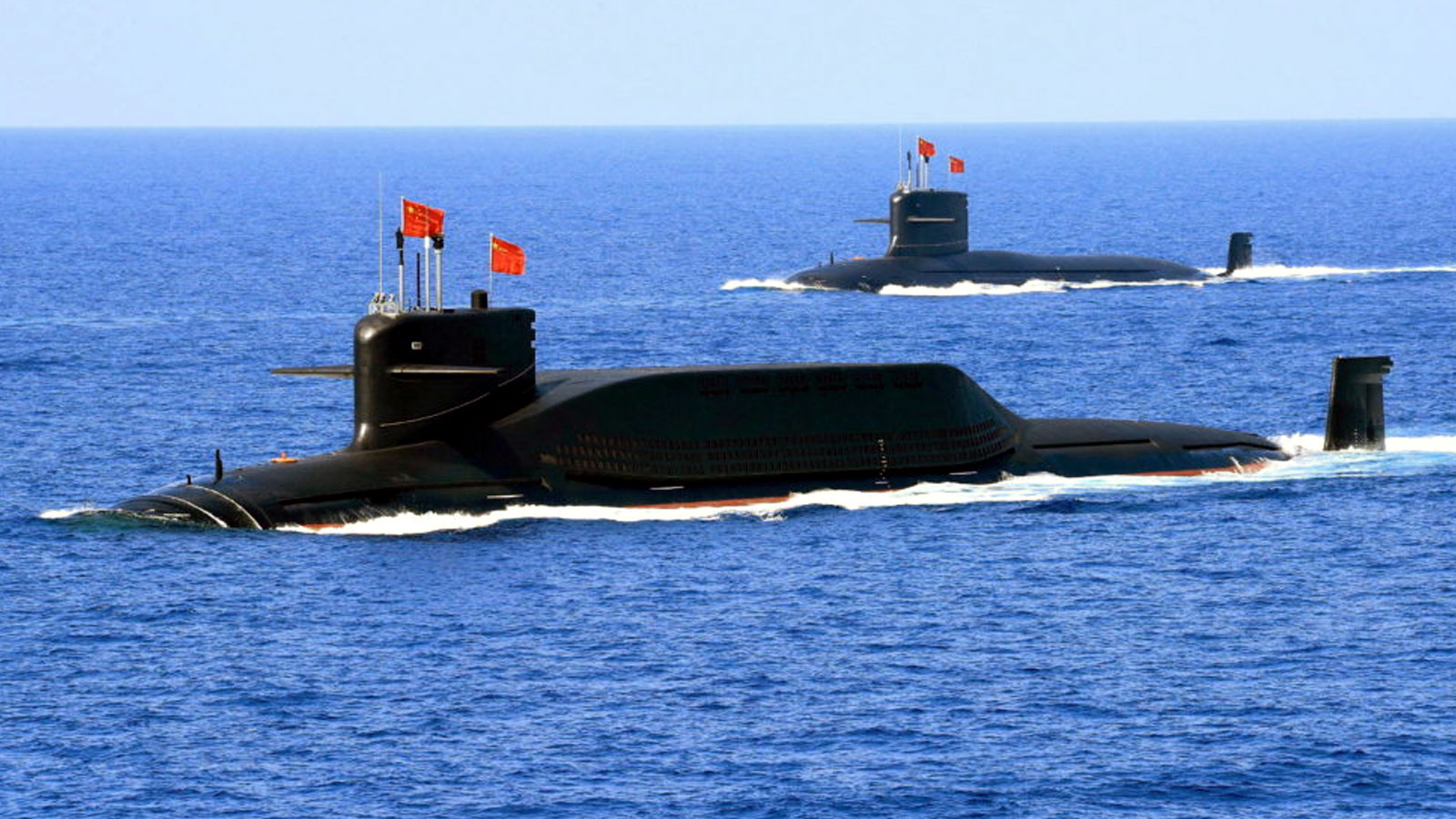
When the People’s Liberation Army Navy fired a submarine-launched ballistic missile deep into the Pacific, it was doing more than checking engineering specs. Analysts say it was likely China’s first SLBM test conducted in the open Pacific – notable because these weapons form a nation’s “second-strike” guarantee, built to survive a first attack and still retaliate.
Paired with a 2024 land-based ICBM test, the message from Beijing is a maturing, hard-to-target nuclear triad. The missile itself vanished quietly beneath the waves. The political aftershocks did not.
Timing That Raised Eyebrows
The test landed just hours after Australia and Fiji signed their new “Ocean of Peace” security pact a move squarely aimed at limiting Chinese influence in the South Pacific. Many regional observers read the timing as a deliberate signal, not a coincidence.
How the Region Is Reacting
Japan: Standing on the Frontline
Tokyo’s response was swift and pointed, with a formal protest citing serious concern. Japan’s worry: as Chinese submarines armed with longer-range missiles operate from bastions near the mainland, the waters around Japan become a militarized transit zone and any future crisis over Taiwan lands on Japan’s doorstep.
Australia: Redrawing Its Own Front Line
Foreign Minister Penny Wong called the test destabilizing and criticized Beijing’s lack of transparency. Canberra no longer treats the South Pacific as a distant buffer zone – it’s now viewed as the front line protecting the sea routes that connect Australia to the rest of the world.
India: Watching From the Other Ocean
India sits across the Malacca Strait, but it isn’t looking away. New Delhi’s strategic planners see a clear trajectory: a Chinese navy comfortable projecting nuclear-armed submarines through the Pacific is one step closer to doing the same in the Bay of Bengal and Arabian Sea – India’s own maritime backyard.
The Bigger Worry: Is Washington Still Committed?
What’s unsettling regional capitals isn’t only China’s growing capability – it’s doubt about America’s staying power.
Reports that Washington has quietly reverted to calling its regional command “Pacific Command,” dropping the broader “Indo-Pacific” framing, have unsettled allies who see it as a possible sign of narrowing ambition. Add in a more transactional, deal-by-deal approach to alliances and a Quad partnership that looks less cohesive than before, and the takeaway for India, Japan, and Australia is blunt: having a security guarantee on paper is not the same as having the political will to use it.
One regional security analyst summed up the test as a deliberate probe of perceived cracks in the US-led alliance system.
The Response: Building Independent Security Networks
Rather than wait on Washington or bend to Beijing, the three democracies are building their own overlapping security architecture.
Japan is stepping away from decades of pacifist restraint – raising defense spending, acquiring long-range strike weapons, and signing direct defense agreements with Australia and the Philippines.
Australia is modernizing its military and locking in security agreements across Pacific Island nations, shifting from a protected client state to an active security provider.
India is expanding its own nuclear submarine fleet and hardening military infrastructure on the Andaman and Nicobar Islands to guard the entrances to the Indian Ocean.
A New Playbook Emerges
The old hub-and-spoke system, where every regional security question ran back through Washington, is fading. What’s replacing it is a denser web of direct partnerships among
Indo-Pacific democracies themselves.
Beijing’s missile test was meant to project dominance and expose allied weakness. Instead, it may be accelerating the very outcome it hoped to prevent: a tighter, more self-reliant coalition of regional powers determined to set their own terms in the Pacific.