

The Quiet Financial Revolution: How BRICS Is Reshaping the Global Monetary Order
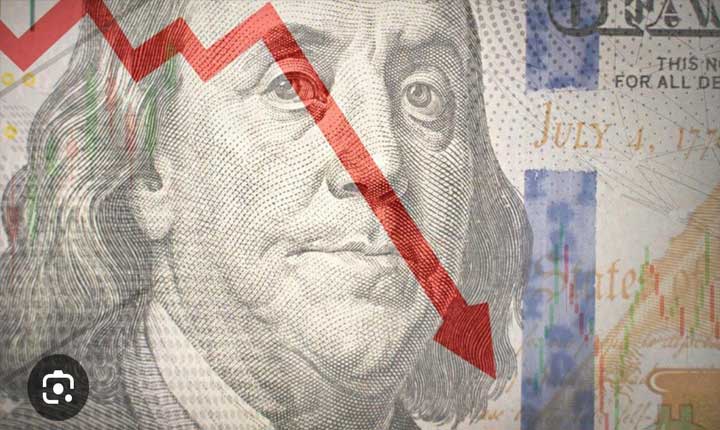
- Published By: shivaduvvuru
- July 8, 2026 / 01:33 PM IST


Why Alternative Payment Systems Not a Common CurrencyMay Become BRICS’ Greatest Financial Innovation
For nearly 80 years, the US dollar has been the world’s dominant currency. Most international trade, oil transactions, foreign exchange trading, and central bank reserves are tied to the dollar. This has given the United States enormous economic influence and, increasingly, geopolitical leverage.
Today, that system is facing its biggest challenge in decades. Not because another country is replacing the dollar, but because the expanding BRICS+ group is building alternatives.
Why BRICS Wants an Alternative:
The turning point came after the 2022 sanctions on Russia. Russia’s exclusion from parts of the global banking system and the freezing of roughly $300 billion of its central bank reserves sent a powerful message to many countries: access to the global financial system could become a geopolitical risk. For many emerging economies, reducing dependence on the dollar has become less about politics and more about financial security.
What Jim O’Neill Now Says:
Jim O’Neill, the economist who coined the term ‘BRIC’ in 2001, recently acknowledged that BRICS alternatives to the dollar are ‘no longer a fantasy.’ While he still expects the US dollar to remain the leading global reserve currency for years to come, he believes advances in payment technology and closer cooperation among BRICS members are making alternative payment systems increasingly viable.
No BRICS CurrencyAt Least Not Yet:
Despite headlines, BRICS is not close to launching a common currency. Its members have very different economies, monetary policies, and political priorities. Instead, they are pursuing a simpler and more practical strategy: allowing countries to trade directly in their own currencies.
Building New Payment Networks:
Rather than relying entirely on the traditional dollar-based financial system, BRICS countries are expanding alternative payment infrastructure. China is promoting international use of the Renminbi (Yuan), while countries such as India, Brazil, Russia, and the United Arab Emirates are increasing trade settlements in their own currencies. The goal is not to eliminate the dollar, but to reduce dependence on it.
Can the Dollar Be Replaced?
Not anytime soon. The dollar remains backed by the world’s deepest financial markets, strong legal protections, and unmatched global investor confidence. These advantages cannot be replicated overnight.
Why This Matters
Businesses involved in international trade may increasingly deal with contracts, invoices, and payments in multiple currencies instead of only US dollars. Lawyers, banks, and multinational companies will need to navigate new legal, regulatory, and compliance challenges as payment systems become more diversified.