
No US Citizenship Even If a Baby Is Born in America? Is Trump Trying to Change the Rules?
- Published By: Tech Team
- August 7, 2026 / 10:10 AM IST


— Surya Prakash Josyula
“If your baby is born in the United States, the baby automatically becomes a US citizen. So plan the delivery there.”
This is something many families have heard for years—not just in India, but across the world. In many Telugu families, when a son or daughter is working in the US and a baby is due, relatives often suggest having the delivery in America because the child will get US citizenship.
But now, that long-held belief is being questioned. The rules may not remain the same. So, what exactly is happening?
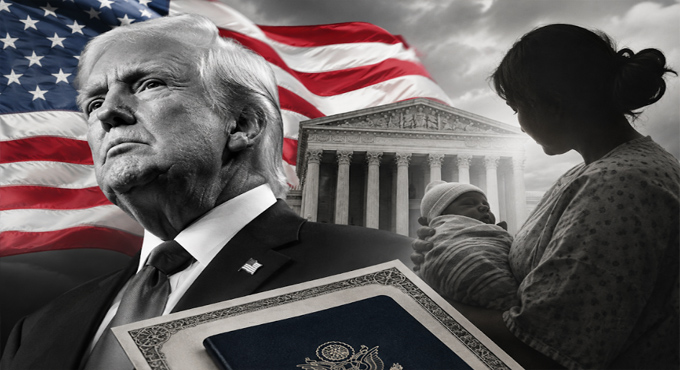
US President Donald Trump is once again trying to limit birthright citizenship. Just a few weeks ago, the US Supreme Court blocked his earlier attempt. Instead of giving up, Trump has now signed new executive orders, hoping to achieve the same goal in a different way.
What is the current law?
Under the 14th Amendment of the US Constitution, almost every child born on American soil automatically becomes a US citizen, regardless of the parents’ nationality. This principle is known as Birthright Citizenship.
Because of this law, many international students, temporary workers and foreign families believed that a baby born in the US would receive American citizenship at birth.
Did some people misuse this law?
This is where Trump’s argument begins.
For several years, the term “birth tourism” has been widely discussed in the United States. It refers to women travelling to the US on tourist visas mainly to give birth there so their children can receive American citizenship.
According to Trump, this is not just using the law—it is abusing it.
His administration has also claimed that some people from countries such as China and Russia have taken advantage of this system. However, researchers say the actual number of such cases is much smaller than what is often claimed.
What does Trump want to change?
Trump is not trying to rewrite the Constitution directly. Instead, he wants to create new exceptions to birthright citizenship through executive orders.
Under the new orders, children born in certain situations may not automatically receive US citizenship. These include cases where both parents are non-citizens and one parent falls into specific categories, such as being linked to a foreign terrorist group, being a foreign government employee, or attempting to obtain immigration benefits through fraud.
The administration is also taking steps to stop birth tourism.
Should Indians be worried?
The short answer is not yet.
Trump’s executive orders do not mean the law has already changed. They also do not target every Indian family living in the United States.
People who are legally in the US on H-1B visas, student visas, or those waiting for green cards are not automatically affected by these orders.
However, one thing is becoming clear. The US government is likely to take a much tougher approach toward people who travel mainly to give birth in America so their child can receive US citizenship.
What is Trump’s bigger strategy?
Immigration has always been one of Trump’s biggest political issues.
From reducing illegal immigration to tightening citizenship rules, these promises have been central to his political campaign. His supporters strongly believe that the rights and benefits of America should primarily belong to American citizens.
For Trump, this is not just about changing a policy. It is also about delivering on a major campaign promise.
But there is another side…
Critics argue that a constitutional right cannot be limited through executive orders.
The US Supreme Court has already blocked one of Trump’s earlier attempts. Legal experts believe these new orders could also face court challenges.
That means the final decision is likely to be made by the courts—not by the White House alone.
What should Indians remember?
Social media is already filled with posts claiming that babies born in the US will no longer receive citizenship.
That is not entirely true.
Trump is trying to introduce new restrictions in specific situations, but those changes still face legal hurdles. Until the courts give a final ruling, the existing law largely remains in place.
The bottom line
Trump’s fight over immigration is far from over.
It is no longer just an American political debate. It has become an issue closely watched by millions of families around the world—including many Indians—who dream of studying, working, or building a future in the United States.