
Andhra Pradesh Bets Big on a New Tourism Formula: Beaches, Temples, and the Roads Between Them
- Published By: shivaduvvuru
- July 20, 2026 / 02:52 PM IST


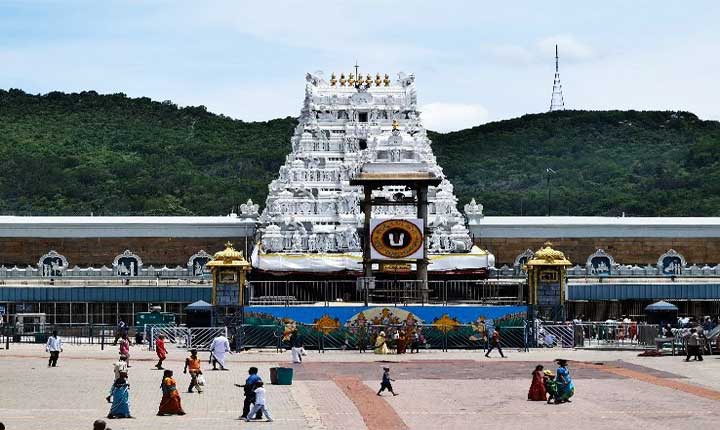
VIJAYAWADA : For decades, Andhra Pradesh’s tourism map told a simple, frustrating story: pilgrims poured into mega-temples like Tirumala and Simhachalam, prayed, and left the same day. Meanwhile, the state’s roughly 1,000-kilometer Bay of Bengal coastline among the longest of any Indian state sat largely undeveloped. Two of the state’s biggest assets never talked to each other.
That is now the explicit target of a policy overhaul. Under the state’s Tourism Policy 2024–29, driven by Tourism, Culture and Cinematography Minister Kandula Durgesh alongside Deputy Chief Minister Pawan Kalyan, the coalition government is trying to stitch coastal leisure and pilgrimage travel into a single, longer-stay tourism economy betting that a beach trip and a temple visit don’t have to be two separate holidays.
An Industry Status, and the Investment It’s Chasing:
The centerpiece of the policy shift is a bureaucratic one: tourism in Andhra Pradesh now officially carries “Industry Status,” unlocking capital subsidies, SGST reimbursements, and stamp duty exemptions that were previously reserved for manufacturing and industrial projects. The state has publicly targeted roughly ₹20,000–25,000 crore in private tourism investment under the policy window, and officials have already logged tourism-linked deals in the thousands of crores at investor summits, alongside a broader pipeline of hospitality projects from major chains including Taj, Marriott, Hyatt, and Hilton, expected to add more than 7,700 new hotel rooms.
Sun and Waters: Vizag’s Beach Bet:
Visakhapatnam Vizag is being positioned as the coastal flagship. A modernized Beach Shack Policy, modeled loosely on Goa’s, is meant to cut red tape for eco-friendly beachfront vendors, backed by relaxed Coastal Regulation Zone provisions. To draw a younger, higher-spending crowd, the state has also introduced a concert-tourism framework offering viability gap funding to pull major national and international acts onto the waterfront a strategy other states, including Assam, have used to convert single concerts into multi-day visitor spending on hotels, transport, and dining.
The Transit Bridge: Getting Tourists Inland:
The state’s harder problem has always been logistics connecting the coast to its rugged interior. Under the central UDAN scheme, Andhra Pradesh has been expanding seaplane and helicopter connectivity, with a dedicated Seaplane Viability Gap Funding Scheme highlighted in this year’s budget, intended to link coastal hubs to destinations like the Borra Caves and interior valley temples that are otherwise a long road trip away.
Sacred Spaces: Turning a Day Trip Into a Weekend:
The pilgrimage side of the strategy is where the funding is most concrete. Central government records confirm ₹54.04 crore has been sanctioned under the PRASAD scheme to modernize pilgrim amenities at the Simhachalam Temple in Visakhapatnam. Further south, the ₹94-crore Akhanda Godavari Project a redevelopment of the historic Rajamahendravaram riverfront and Pushkar Ghats broke ground with both state and central tourism officials in attendance, timed ahead of the 2027 Pushkaralu festival, and is projected to generate roughly 8,000 jobs and draw 3.5 million tourists by 2035.
The state has also flagged infrastructure and amenity upgrades including tent-city style accommodations around 21 major temples statewide, a figure Chief Minister N. Chandrababu Naidu has referenced directly in recent government reviews of public-private infrastructure projects.
The Numbers Behind the Ambition:
Officials have set a five-year target of 50,000 new classified hotel rooms a figure that appears consistently across state announcements alongside broader job-creation goals tied to the roughly 260 public-private partnership projects, worth over ₹1.23 lakh crore, currently under execution across the state’s tourism, industry, and infrastructure sectors.
What Could Slow It Down:
The plan isn’t without real risk. Andhra Pradesh’s coastline is cyclone-prone, and dense coastal development will have to be squared with CRZ environmental limits. Infrastructure investment also remains concentrated around Vizag and Tirupati, leaving interior heritage sites comparatively under-resourced. And the state is entering a market where Goa and Kerala already have decades of brand recognition among both domestic and international travelers.
Still, the state’s pitch is a shift in framing as much as funding: tourism as planned infrastructure, not accidental geography. Whether that holds up will likely become clearest around 2027, when the Pushkaralu festival gives the state’s riverfront and hospitality investments their first major, real-world stress test.