

The “Hormuz Trap”: How Tehran is Winning the War of Attrition Without Winning a Single Battle
- Published By: Tech Team
- March 24, 2026 / 11:45 AM IST


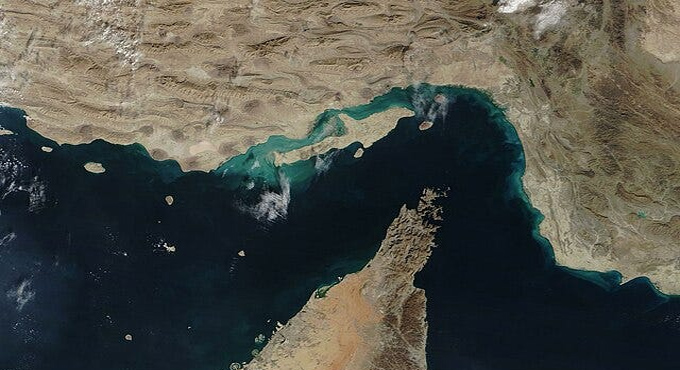
As the conflict between the US-Israel alliance and Iran enters its fourth week, a chilling reality is emerging in Washington and Jerusalem: winning every tactical battle does not equate to winning the war. Despite the devastating loss of its top leadership—including Supreme Leader Ali Khamenei—and the near-total destruction of its conventional air defenses, Tehran is successfully executing a strategy of “survival as victory.” By leveraging the global economy’s most sensitive chokepoint, the Strait of Hormuz, Iran has turned a military defeat into a global economic nightmare that is testing the political will of the world’s most powerful democracies.
The Asymmetric Iron Rule: Surviving is Winning
In the cold logic of asymmetric warfare, the stronger side must achieve a decisive, permanent victory to win, while the weaker side only needs to avoid losing. Washington’s definition of success is the “permanent, irreversible” destruction of Iran’s war machine. Conversely, Tehran’s goal is simpler: to still exist when American political appetite for a long-distance conflict inevitably collapses. History offers a grim precedent; from Vietnam to Afghanistan, the pattern remains consistent—America eventually walks away. For a regime that faces no voters and no quarterly results, the ability to endure outlasts the patience of any democracy.
The “Three Mines, One Drone” Economy
Iran has proven it doesn’t need a nuclear weapon to paralyze the world. By maintaining a credible threat in the Strait of Hormuz—through which 20% of global oil flows daily—Tehran has sent shockwaves through the portfolio of every global investor. Brent crude has surged past $100 per barrel, with some analysts warning of a spike to $150 or even $200 if the closure persists. This isn’t just a number on a screen; it’s a direct hit to the global consumer. In the US, gas prices have climbed toward $4 a gallon, fueling inflation that has forced the Federal Reserve into a hawkish stance, raising interest rates and driving up mortgage and EMI costs worldwide.
The India Factor: 9 Million NRIs on the Frontline
For India, this is not a distant geopolitical skirmish; it is a domestic crisis. Importing 85% of its oil, India is seeing its energy bill balloon by tens of billions of dollars. The Rupee has weakened sharply against the Dollar, trading near ₹92.5, eroding the purchasing power of millions. Perhaps most critically, the 9 million Indian expats living in the Gulf—from the UAE to Qatar—are now living inside a potential combat zone. With drones being intercepted over Gulf cities and shipping lanes under threat, the safety of the NRI community and the $50 billion in annual remittances they send home are at grave risk.
The Endgame: Who Blinks First?
The current “five-day pause” announced by President Trump signals the first crack in the alliance’s resolve. While the US and Israel have successfully degraded Iran’s military infrastructure, the “Mullahs” remain in control, quietly preparing to rebuild just as the Taliban and North Korea did before them. If a ceasefire is reached now, Iran will have survived the most concentrated military assault in modern history, effectively declaring victory by simply remaining on the map. For America, a war that destroys the enemy’s hardware but leaves its ideology and geography intact is a strategic failure. In this high-stakes game of chicken, the question remains: Can a democracy outlast a regime that has nothing left to lose but time?
Related News

Two Years After Trump’s Inflation Spotlight, Rising Grocery Prices Loom as a Political Vulnerability for Republicans Ahead of Midterms
US Imposes Up to 100% Tariffs on Drones to Curb Chinese Dominance and Bolster Security

Iran Mocks Trump Over Secret Aircraft Switch During Turkey Visit

KLH Student Bags Silver at the French Chess Championship

Former PM Sheikh Hasina to Return to Home Country in December