

Analysis.. The Asymmetric Standoff in the 2026 Iran War
- Published By: Tech Team
- March 24, 2026 / 11:30 AM IST


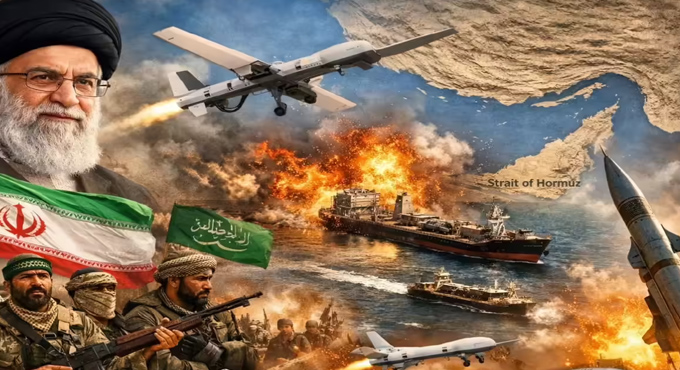
In the third week of the 2026 Iran War (Operation Epic Fury), a profound strategic divide has emerged between the two primary combatants. As veteran editor Gerard Baker observes, the conflict exemplifies the 21st-century “asymmetric trap”: a scenario where the superpower wins every tactical engagement but may still lose the broader war, while the weaker adversary finds victory simply by surviving.
The Definition of Victory: Decisive Blows vs. Persistent Presence
For the United States and Israel, victory is defined by “Peace Through Strength”—the absolute degradation of Iran’s military apparatus. Operation Epic Fury has achieved staggering tactical success, obliterating Iran’s air defenses, naval fleet, and nuclear infrastructure. However, for Tehran, the bar for success is significantly lower. The regime’s objective is not to defeat the U.S. military in open combat but to remain in power long enough for American political and economic resolve to fracture. History suggests that authoritarian regimes can often outlast democracies in long, inconclusive conflicts; while Washington requires a “win,” Tehran only needs to “not lose.”
The Leverage of Global Pain
Despite losing its top leadership (including Supreme Leader Ali Khamenei) and over 6,000 military personnel, Iran is shoring up its defense through “cheap” asymmetric means:
The Hormuz Chokepoint: By mining the Strait of Hormuz and utilizing low-cost drones, Iran has paralyzed global trade. With 20% of world oil supply at risk, Brent crude has seen extreme volatility, peaking near $120 before settling around $100.
Economic Blowback: For the U.S. public, the “pain threshold” is low. Gasoline prices approaching $4/gallon and rising interest rates (up 50bps) have already dented approval ratings, prompting President Trump to signal a “winding down” of the war just three weeks in.
Targeting Allies: Iran’s retaliatory strikes have not just hit U.S. bases but also vital civilian infrastructure in Gulf states like the UAE and Saudi Arabia, turning a localized war into an “Asian energy crisis.”
The Political EndgamePresident Trump recently announced a five-day postponement of strikes on Iranian power plants, citing “productive conversations” toward a resolution. However, Tehran has flatly denied these talks, viewing the pause as a sign of American hesitation. This mismatch in communication highlights the core issue: the U.S. seeks an off-ramp that eliminates the threat, while Iran seeks a stalemate that preserves the regime.
The ultimate danger, as Baker warns, is a repeat of Iraq or Afghanistan. In those conflicts, the U.S. never technically “lost,” but the damage to global prestige and domestic trust meant they weren’t “won” either. If the current regime survives this onslaught, it will rebuild, exactly as North Korea or the Taliban did, leaving the U.S. and its regional allies in a state of permanent, costly vigilance.
Related News
Two Years After Trump’s Inflation Spotlight, Rising Grocery Prices Loom as a Political Vulnerability for Republicans Ahead of Midterms
US Imposes Up to 100% Tariffs on Drones to Curb Chinese Dominance and Bolster Security
Iran Mocks Trump Over Secret Aircraft Switch During Turkey Visit

KLH Student Bags Silver at the French Chess Championship
Former PM Sheikh Hasina to Return to Home Country in December